

Stepping into the world of cars can feel like learning a new language. You’re hit with a wave of terms, numbers, and acronyms that can make your head spin. But before you get lost in horsepower figures, torque ratings, and fuel economy, the most important and foundational decision you’ll make is choosing the right body style.
This single choice will define your entire driving experience. It’s the vehicle’s core architecture, stating its purpose and how it fits into your daily life. It’s not just about looks; it’s about lifestyle. So, what exactly is a car body style, and which one is the perfect match for you?
What is a Car Body Style?
Simply put, a car’s body style is its overall shape and design. This shape is engineered to serve a specific function. It determines fundamental characteristics like the number of doors, the amount of passenger and cargo space, the vehicle’s height off the ground, and its overall mission. Choosing the right one is the first step to finding a vehicle that fits perfectly into your life, whether you’re a daily commuter, a weekend adventurer, or the designated driver for the family.
The Sedan: The Classic Family Car

When you ask a child to draw a “car,” they will almost certainly draw a sedan. For decades, this was the dominant form of personal transportation, and its classic design remains popular for good reason. The sedan is defined by its “three-box” layout: the engine in the front box, passengers in the middle, and a separate, enclosed trunk in the rear box.
This separation is key. The cabin is sealed off from the cargo area, which can contribute to a quieter ride and keep your belongings securely locked away and out of sight. Sedans often have a lower center of gravity compared to taller vehicles, which gives them a planted, stable feel on the road and more responsive handling.
- Key Feature: Four doors and a separate trunk.
- Best For: Commuters, small families, and anyone looking for a comfortable and efficient daily driver.
The SUV (Sport Utility Vehicle): The Do-It-All Vehicle
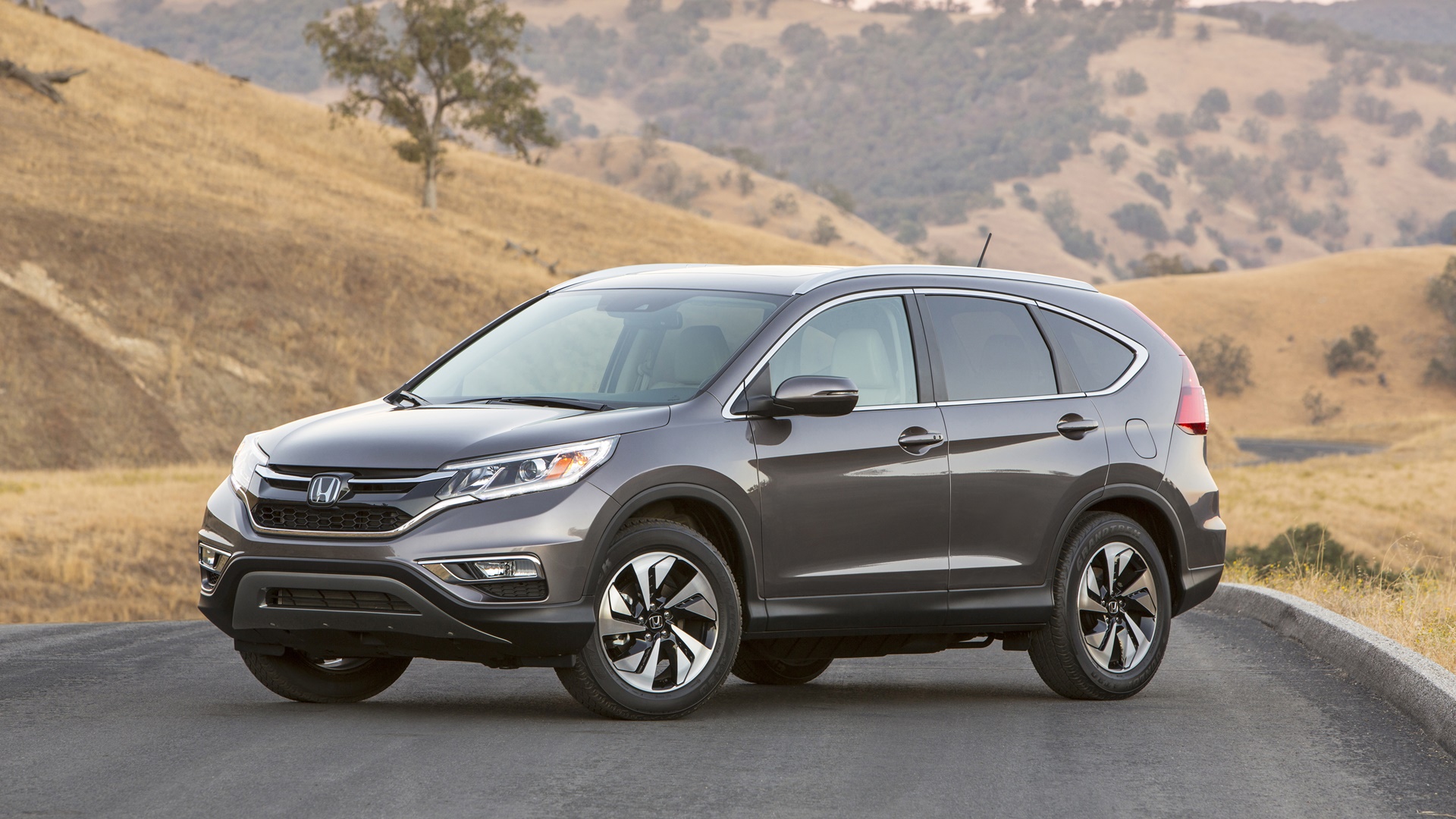
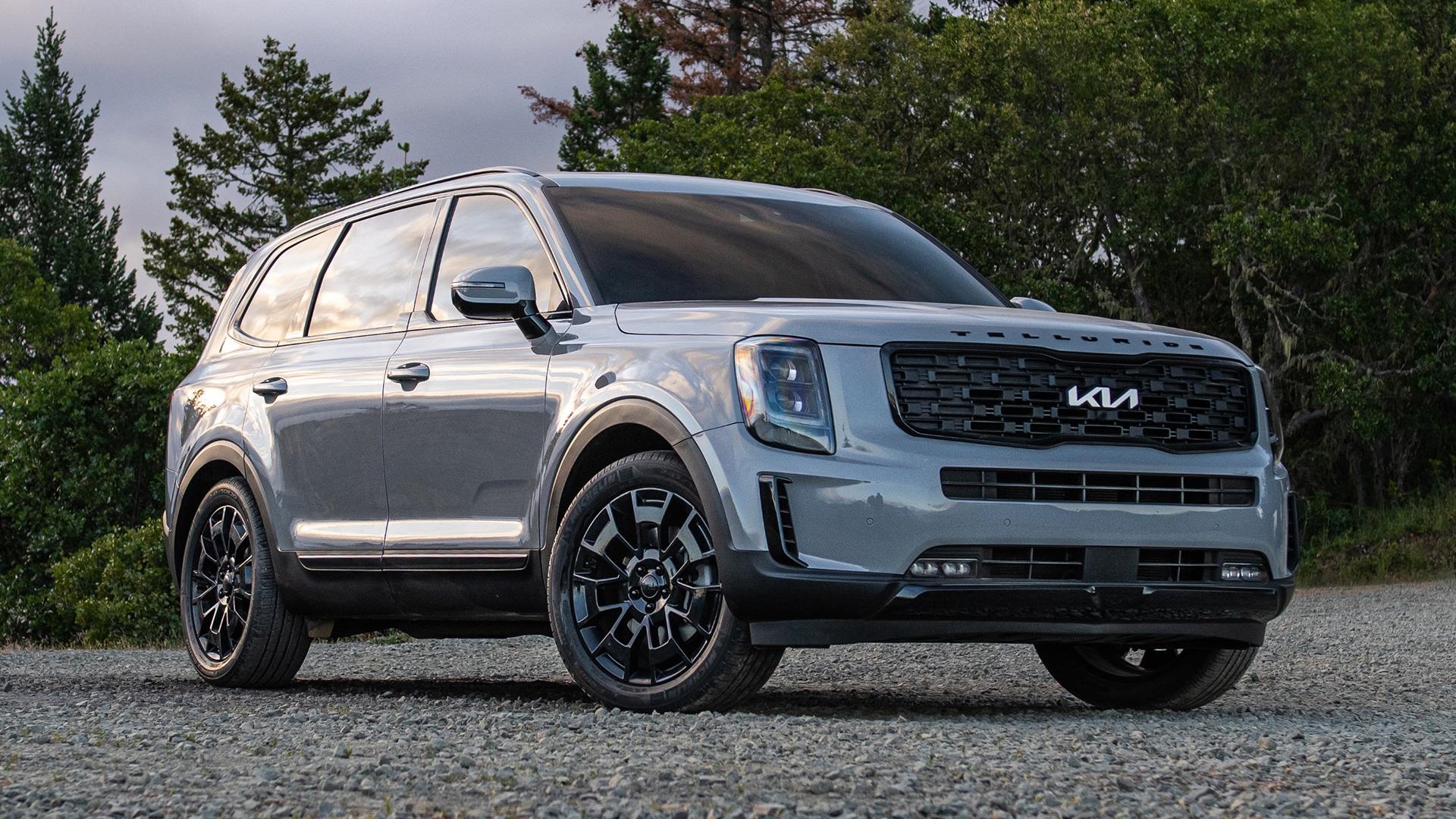
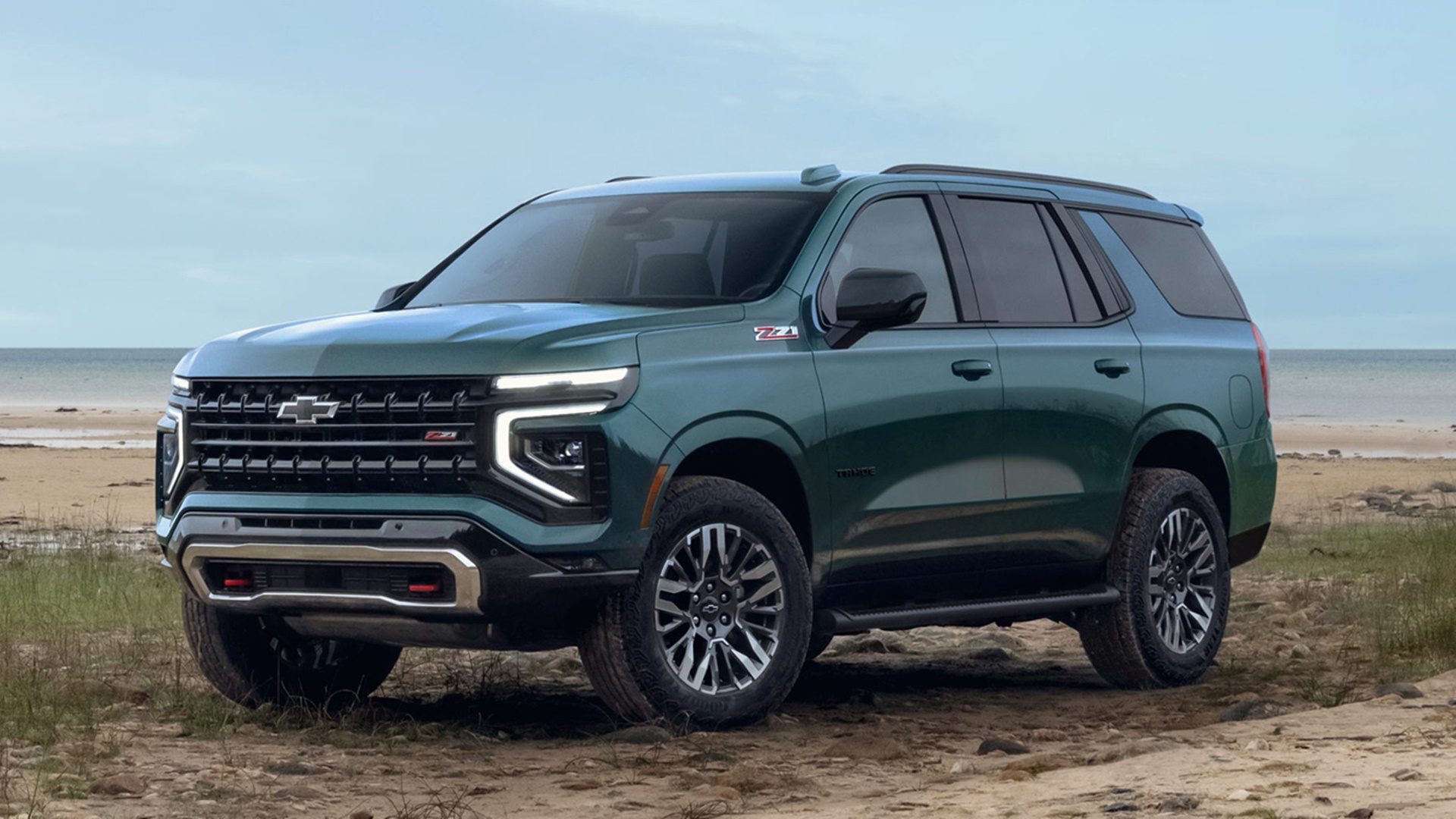
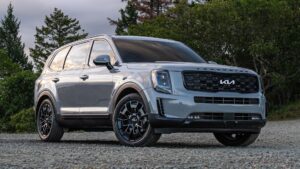
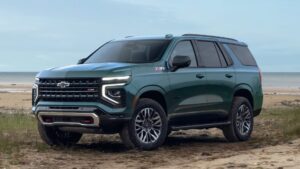
The undisputed king of versatility, the SUV has become the go-to choice for millions. Combining the passenger space of a large car with the practicality and higher ride height of a truck, an SUV is designed to handle just about anything you throw at it. The category is broad, so it’s often broken down into sub-types.
- Crossover (CUV): This is the most popular type of SUV. Crossovers are built on a car’s platform, giving them a more comfortable ride and better fuel efficiency than their larger, truck-based counterparts. They are perfect for those who want SUV space and style without the rugged, heavy-duty hardware.
- Key Features: Car-based unibody platform, smooth ride, available All-Wheel Drive (AWD), excellent fuel efficiency for its size.
- Best For: Daily commuters, small families, and drivers who want a high seating position and all-weather confidence without sacrificing comfort.
- Mid-Size SUV: The “just right” sweet spot for many families. They offer more space and capability than a crossover, often with an optional third row of seats, making them great for growing families.
- Key Features: Increased passenger and cargo room, optional third-row seating, a balance of power and efficiency.
- Best For: Growing families who need more flexibility than a crossover but don’t require the massive towing capacity of a full-size model.
- Full-Size SUV: These are the largest SUVs on the road. Built on a truck frame, they offer maximum passenger and cargo space, powerful engines, and serious towing capabilities. They are the top choice for large families who need to tow a boat or trailer.
- Key Features: Truck-based body-on-frame construction, standard spacious third-row, maximum towing capacity, powerful V8 or equivalent engines.
- Best For: Large families, drivers who frequently tow heavy loads (like boats or campers), and those who need the most interior space possible.
The Coupe & Convertible: Style and Fun
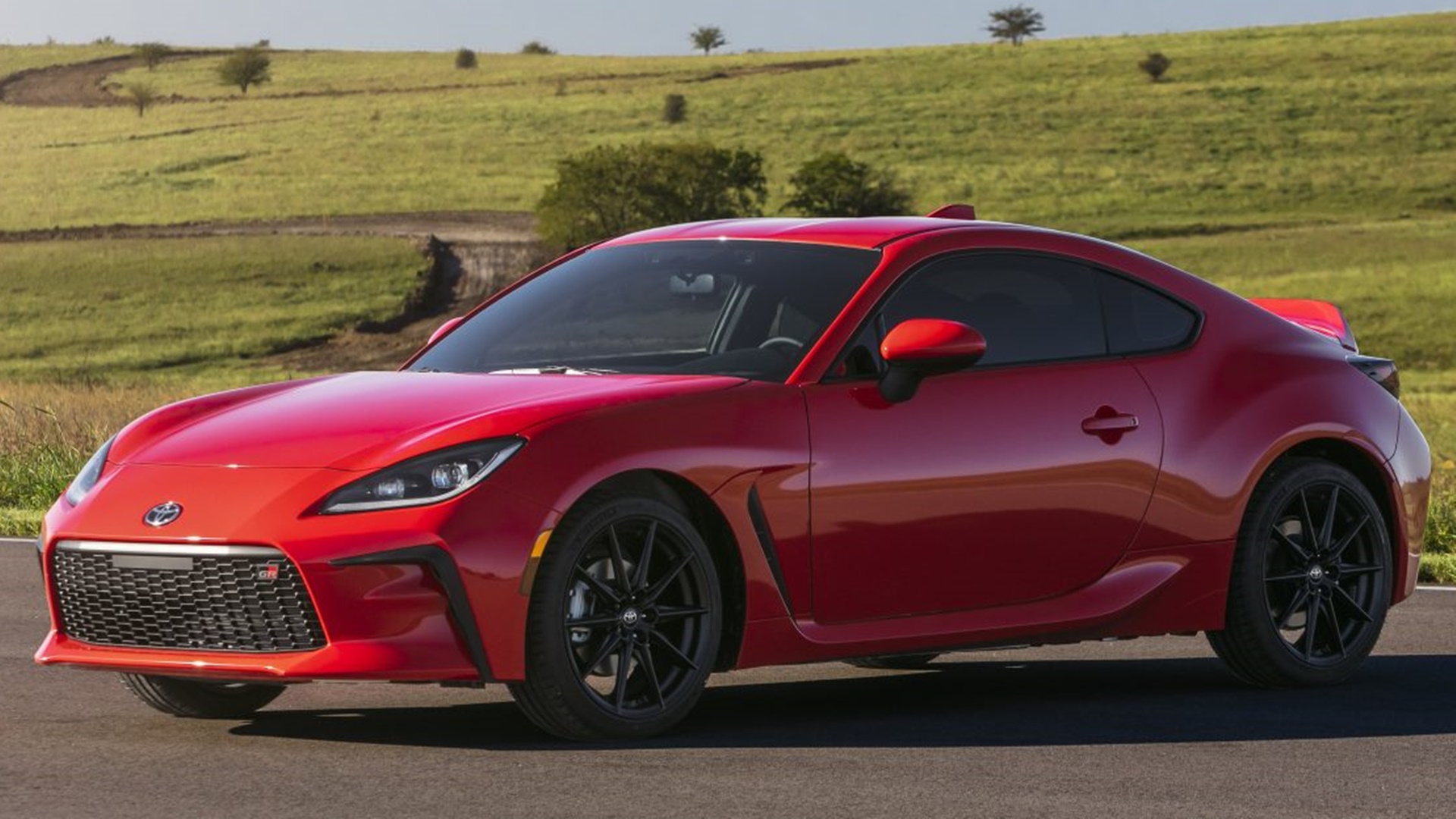
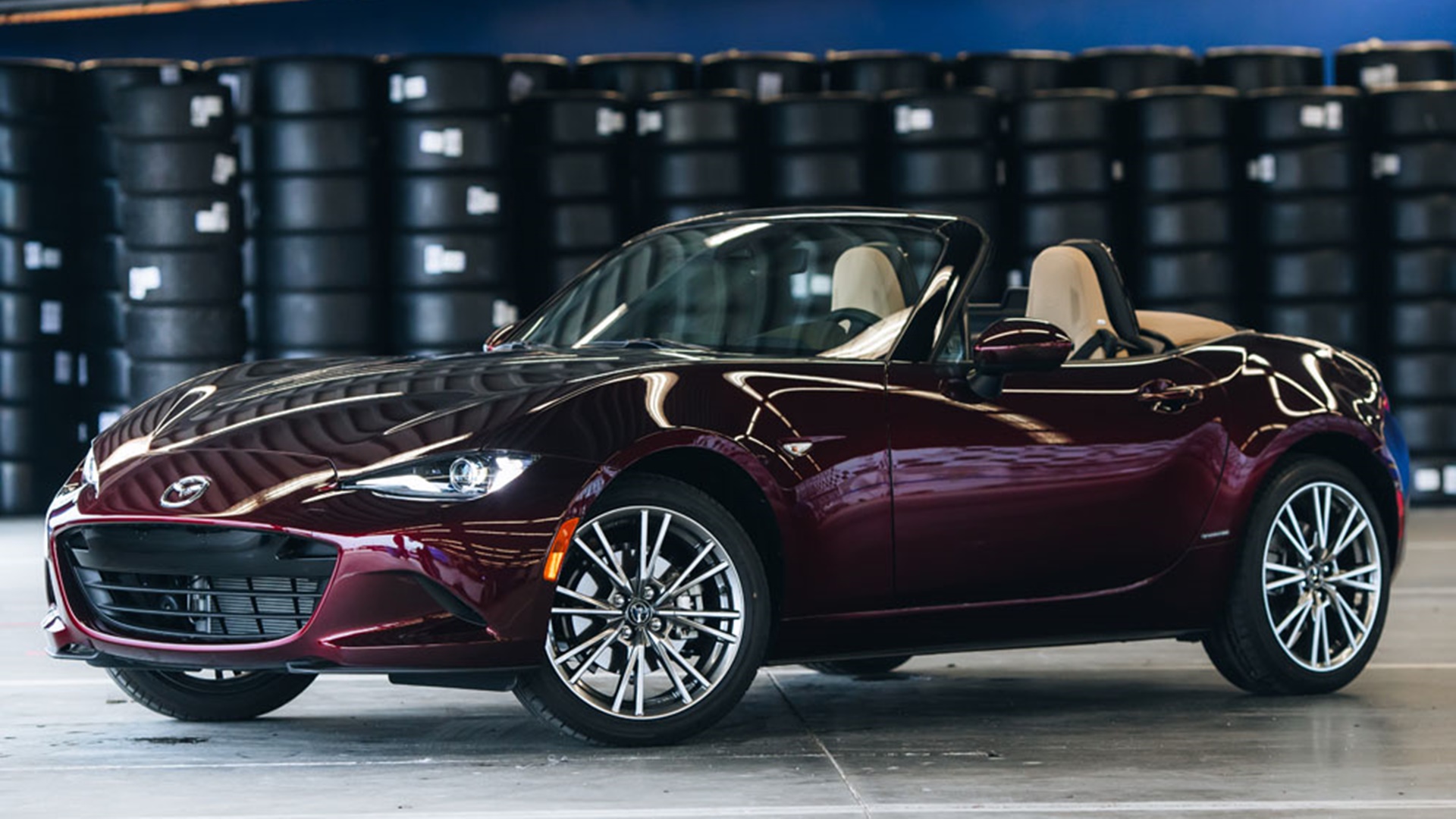
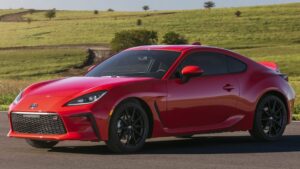
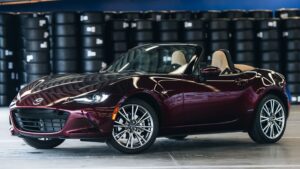
These are emotional purchases. While other cars are built around practicality, coupes and convertibles are designed for style, performance, and the sheer joy of the open road.
- Coupe: A coupe is a car with two doors and a fixed, solid roof. Its defining characteristic is often a sleek, dramatic roofline that slopes down toward the rear, prioritizing a sporty aesthetic over rear-seat headroom. They are for drivers who want to make a statement and are willing to trade some practicality for a more focused, driver-centric experience.
- Convertible (or Cabriolet): A convertible offers the ultimate sensory experience: open-air driving. With a retractable roof (either a classic fabric soft-top or a more complex folding hard-top), it can transform from a closed car to an open one in seconds. It’s less about getting from A to B and more about enjoying the journey, with the sun on your face and the wind in your hair. The trade-offs include reduced trunk space (to store the roof) and a bit less structural rigidity compared to a fixed-roof coupe.
The Hatchback: Practicality in a Compact Package
The hatchback is arguably the cleverest car design. At a glance, it might look like a small sedan, but its secret weapon is at the back. Instead of a small trunk lid, the entire rear of the car opens up as a large top-hinged door, or “hatch,” bringing the rear window with it.
This transforms the car’s utility, effectively blending the efficiency and nimble handling of a sedan with the cargo flexibility of a small SUV. Fold down the rear seats, and a hatchback can swallow items (from camping gear to a new TV) that a sedan could only dream of carrying. For years, they were seen as purely economy cars, but the rise of high-performance “hot hatches” has also made them a favorite among driving enthusiasts.
- Key Feature: A large rear door (hatch) for accessing the cargo area.
- Best For: City dwellers, small families, and anyone needing flexible cargo space in a compact, efficient vehicle.
The Truck (Pickup): For Work and Utility
The pickup truck is the symbol of utility and capability. Designed first and foremost for work, it features a passenger cab and a separate, open cargo area known as a “bed.” Nothing is better for hauling construction materials, towing a boat, or helping a friend move.
In recent decades, the truck has evolved dramatically. While basic work trucks still exist, the market is now dominated by four-door “crew cab” models with interiors as luxurious and tech-filled as any high-end SUV. This has turned the pickup into a viable, if very large, family vehicle for those whose lifestyles demand its unmatched utility. They come in various sizes, from mid-size models that are easier to park to heavy-duty behemoths built for the biggest jobs.
- Key Feature: An open cargo bed for maximum utility.
- Best For: Contractors, homeowners with big projects, and anyone who needs to tow heavy loads or haul bulky items regularly. Modern trucks have become increasingly luxurious, making them comfortable enough for daily driving, too.
The Minivan/MPV: The Ultimate Family Hauler
The minivan may have lost the popularity contest to the SUV, but for pure family-focused practicality, it remains the undefeated champion. An MPV (Multi-Purpose Vehicle) is designed from the inside out with one goal: to transport people and their things with maximum ease and comfort.
Its secret weapons are the sliding rear doors, a game-changer in tight parking spots that prevents kids from dinging close cars. Combined with a low, flat floor for easy entry and a cavernous, configurable interior with seating for up to eight, the minivan is a masterpiece of functional design. For families who consistently use a third row, a minivan offers far more space and comfort for those passengers than most three-row SUVs.
- Key Feature: Sliding rear doors and a massive, configurable interior.
- Best For: Large families or anyone who regularly needs to transport a lot of people comfortably. The sliding doors are a game-changer in tight parking lots.
Quick Comparison Chart
| Body Style | Doors | Primary Use | Key Feature | Best For… |
| Sedan | 4 | Commuting, Daily Driving | Separate Trunk | Comfort & Efficiency |
| SUV | 4 | All-Purpose, Family | High Ground Clearance, Space | Versatility & All-Weather |
| Coupe | 2 | Driving Fun, Style | Sporty Design | Performance & Aesthetics |
| Hatchback | 4 | City Driving, Utility | Large Rear Hatch | Flexible Cargo in a small size |
| Truck | 2 or 4 | Hauling, Towing | Open Cargo Bed | Work & Heavy-Duty Tasks |
| Minivan | 4 | Family Transport | Sliding Doors, Max Space | Large Families & Groups |
How to Choose the Right Body Style for You
There is no single “best” car body style, only the one that’s best for you. The final decision comes down to an honest lifestyle check. Ask yourself a few key questions:
- Who do you drive with? Is it just you, you and a partner, or are you hauling kids and their friends to soccer practice?
- What do you carry? Are you transporting laptops and groceries, or is it sports equipment, camping gear, and large dogs?
- Where do you drive? Is your life spent on smooth highways, navigating tight city streets, or exploring rough country roads?
- What do you value most? Is it fuel efficiency, thrilling performance, maximum utility, or all-weather security?
By answering these questions, the right choice will become clear. You’re not just buying a machine; you’re choosing a partner for your daily adventures. Good luck on your journey!


