

Let’s play a little game. When you think of a “car,” what comes to mind? For most people, the sensible sedan, the family-hauling SUV, the brawny pickup truck, or the sleek coupe. They’re the bread and butter of the automotive world, the common language we all speak.
But what if I told you that beyond the industry norm lies a world of wonderfully weird, brilliantly specific, and historically fascinating automotive designs? The car world is a much stranger and more creative place than we realize. It’s filled with niche designs born from unique needs, quirks, and pure, unadulterated stylistic flair.
For the true car lover, knowing these obscure classifications is like being in on a secret. It’s a nod to a deeper understanding of automotive history and design. So get ready to expand your car-spotting dictionary. We’re diving deep into seven rare and unique car types you’ve probably never heard of, but will definitely want to know.
1. The Shooting Brake: Style Meets Practicality
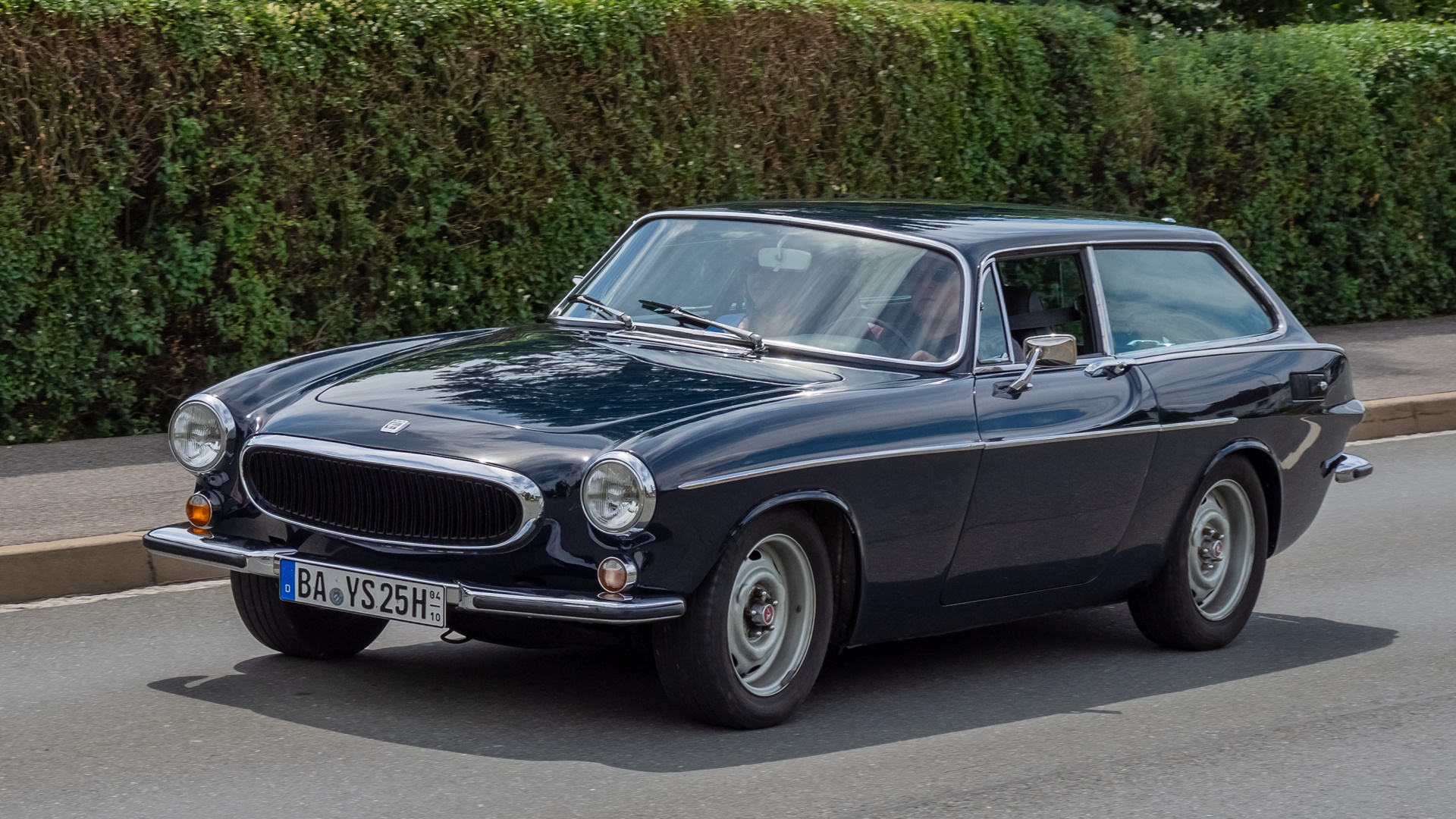
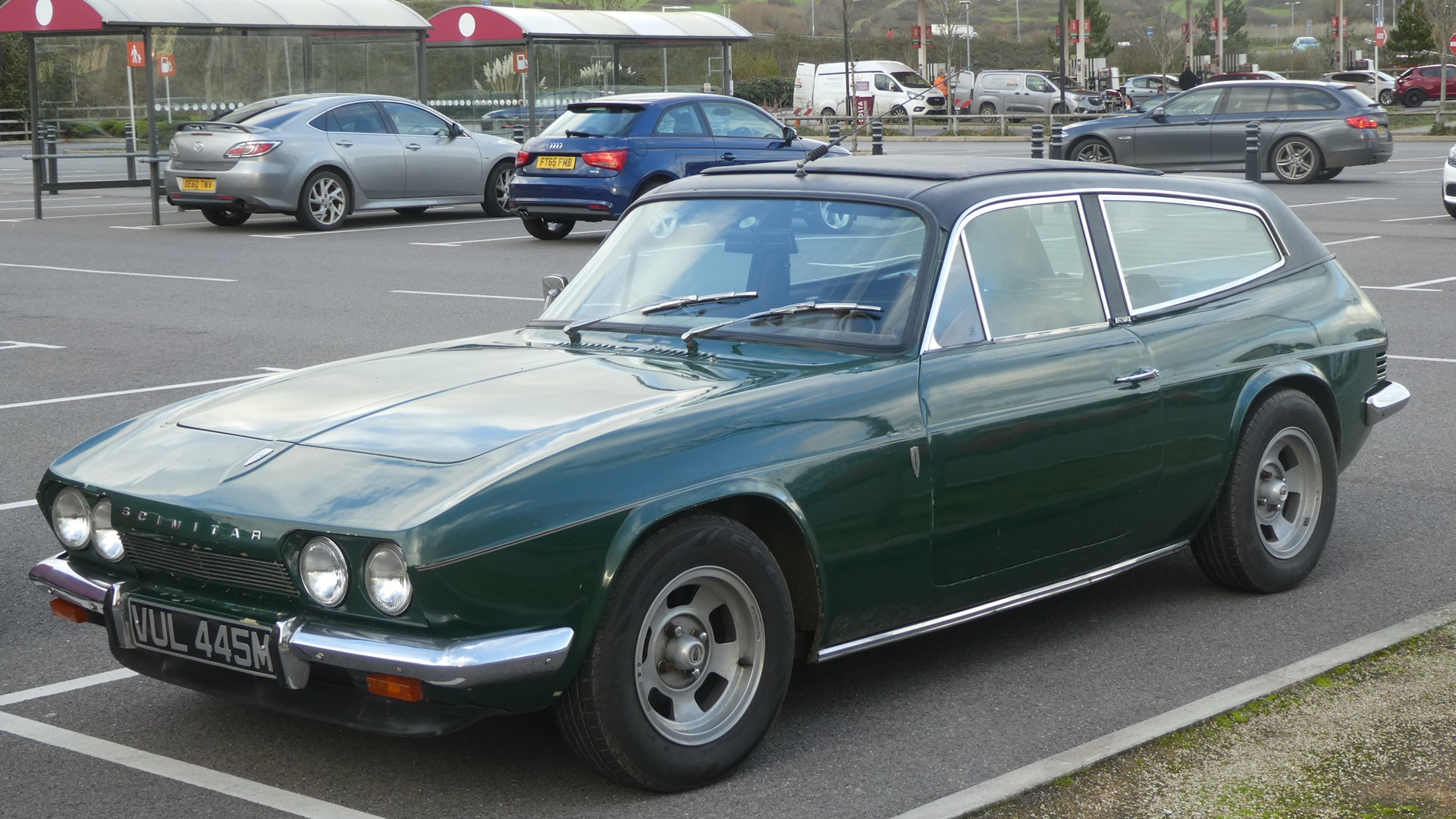
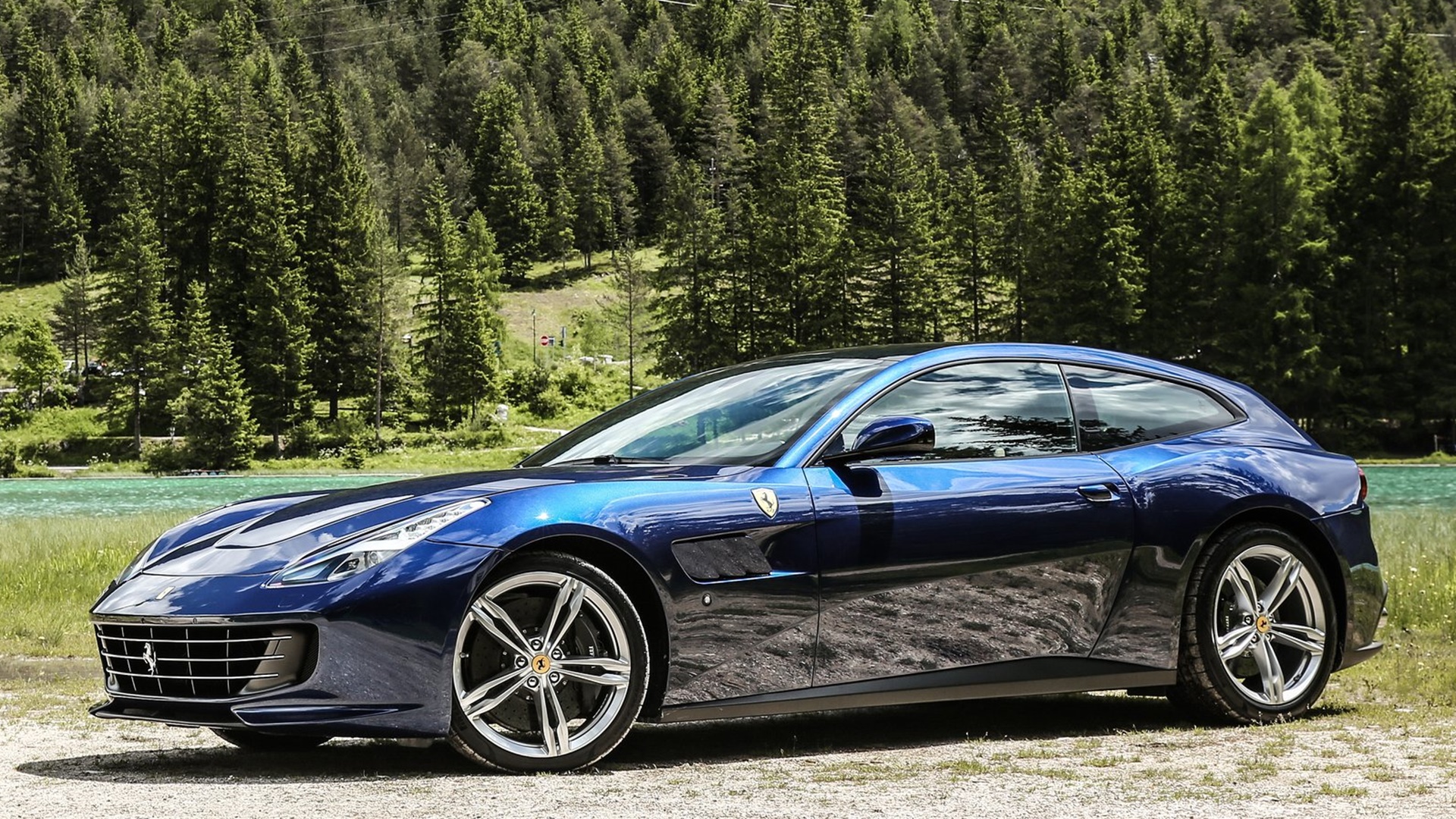
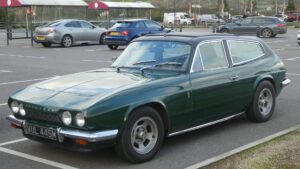
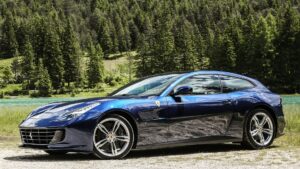
You love the sleek, sloping roofline of a coupe, but you also need to carry your prize-winning Irish Wolfhound and a set of antique golf clubs. What do you do? You get a Shooting Brake, of course.
No, it has nothing to do with shooting or stopping. The name originates from 19th-century British aristocracy who used horse-drawn carriages to transport their hunting parties (and their shooting gear) to the countryside. When the automobile came along, coachbuilders began creating custom-bodied cars with two doors and an extended, wagon-like rear end for the same purpose.
Essentially, a Shooting Brake is a fusion of a sporty coupe and a practical wagon (or “estate” in European terms). It retains the low-slung, two-door profile of a coupe but extends the roofline back over a cargo area, typically ending in a hatchback. It’s the ultimate expression of sophisticated, sporty utility.
Iconic Examples:
- Volvo P1800 ES (1972-1973): Often called the “Fish Van” or “Snow White’s Coffin,” this Swedish classic is arguably the most famous Shooting Brake. Its stunning frameless glass hatch and beautiful coupe-based proportions made it a design icon.
- Ferrari GTC4Lusso (2016-2020): What happens when an Italian supercar maker builds a Shooting Brake? You get this V12-powered, all-wheel-drive monster. It proves that practicality (four seats and a decent boot) and 208 mph performance can, in fact, coexist.
- Reliant Scimitar GTE (1968-1986): A quirky British fiberglass sports car that found a surprising fan in Princess Anne, who owned several. It brought the Shooting Brake concept to a more accessible market and was a surprisingly long-lived success.
2. The Ute: The Car-Truck Mashup
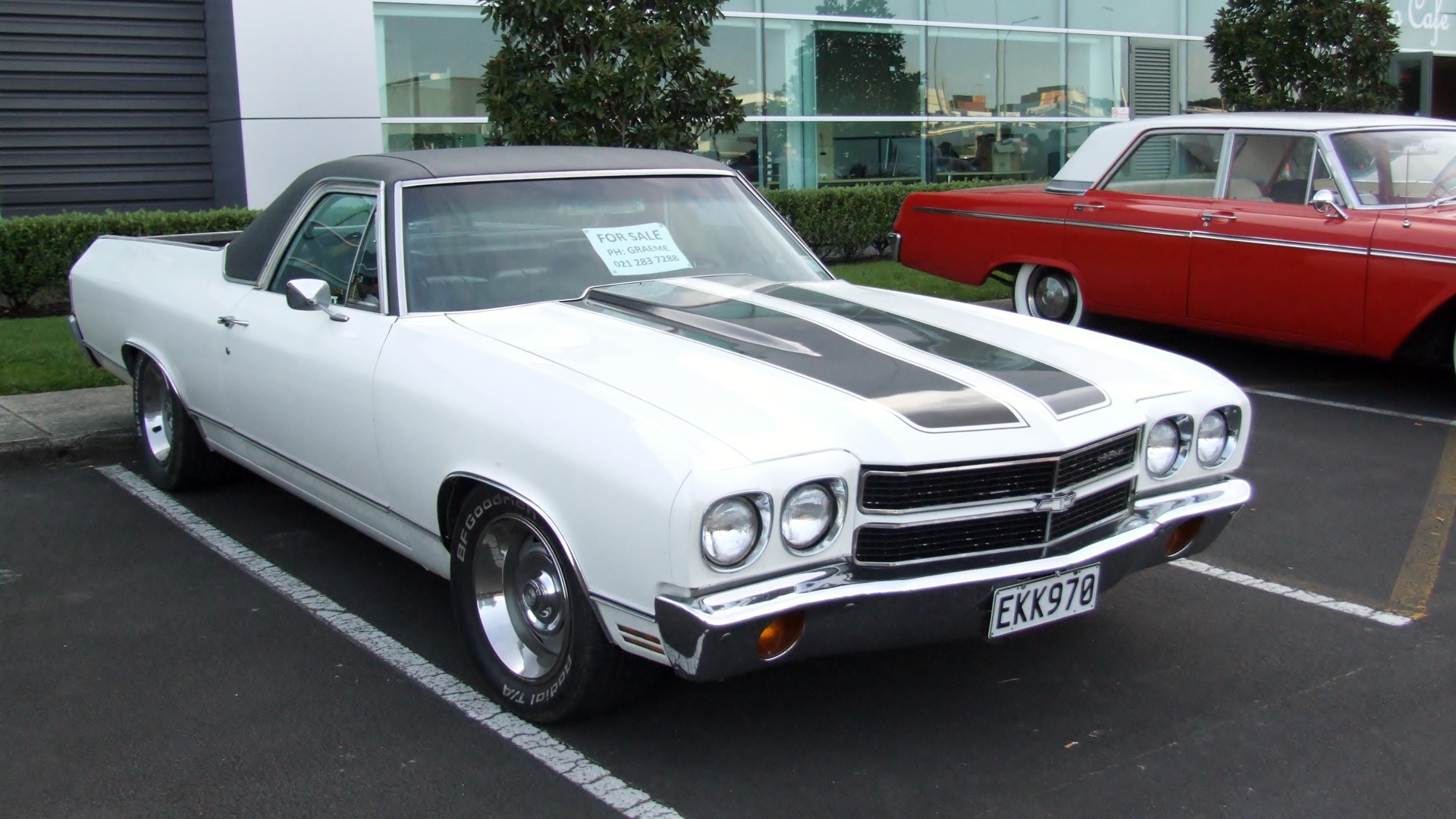
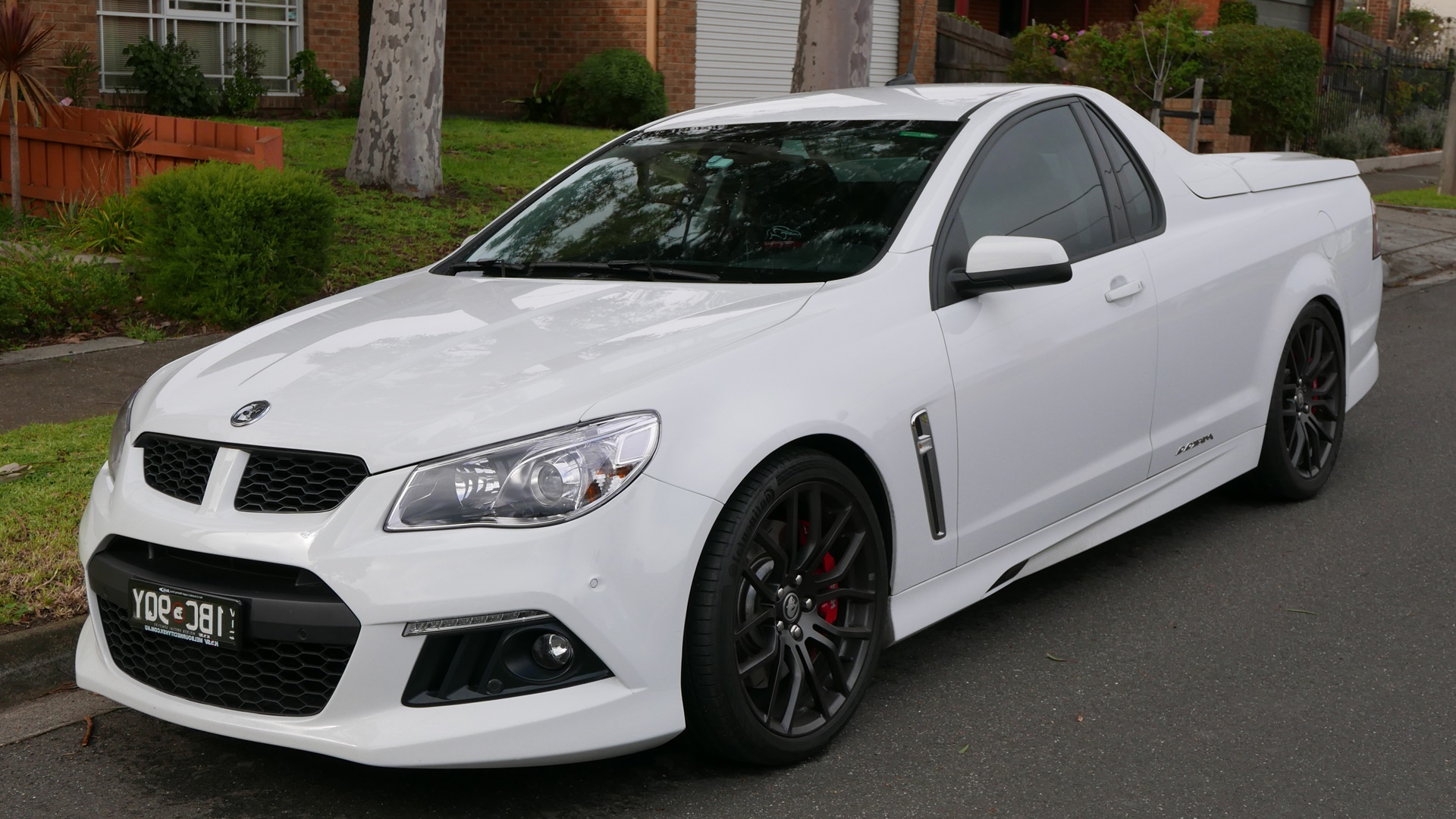
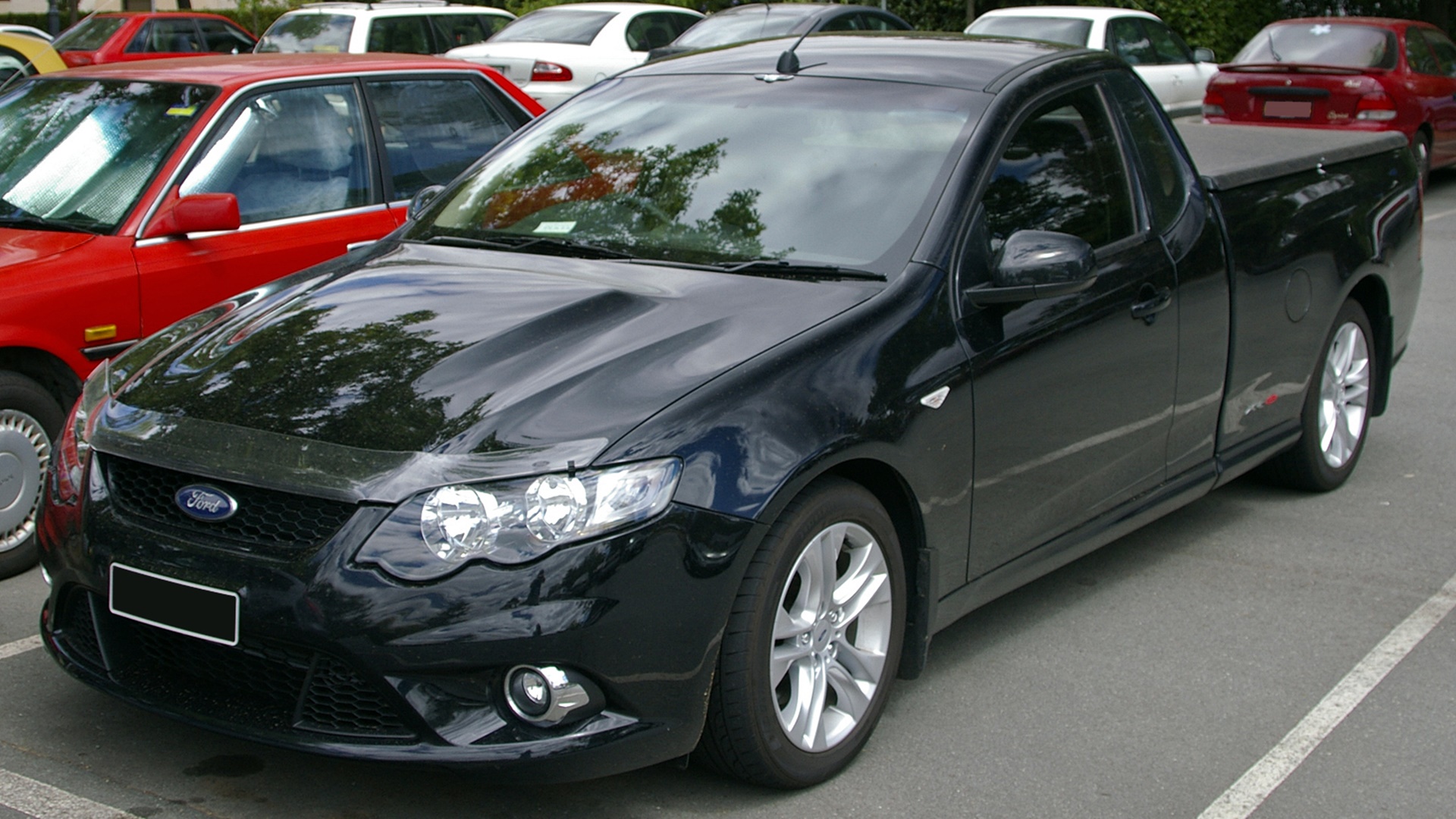
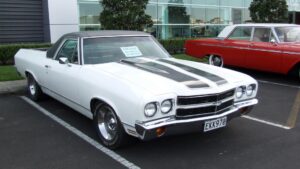
Imagine the perfect vehicle. It needs to be comfortable enough to drive to church on Sunday but rugged enough to haul hay bales around the farm on Monday. This was the exact dilemma a farmer’s wife in Victoria, Australia, posed in a 1932 letter to Ford Australia. The result was the Ute, short for “coupe utility.”
A Ute is not just a small pickup truck. The key difference is its construction. A Ute is based on a passenger car platform, featuring a unibody design where the passenger cabin and the cargo bed are integrated into one continuous piece of bodywork. A traditional pickup truck has a separate cab and bed mounted on a rigid ladder frame.
This car-based construction gives Utes superior ride comfort and handling compared to their truck counterparts, making them fantastic daily drivers. It’s the automotive mullet: business in the front, party in the back. While a beloved cultural icon in Australia, the concept never quite achieved the same legendary status in North America, despite some notable examples.
Iconic Examples:
- Ford Falcon Ute (1961-2016): The quintessential Aussie Ute. For over 50 years, the Falcon Ute was a workhorse, a performance machine, and an integral part of Australian life. Its demise in 2016 marked the end of an era.
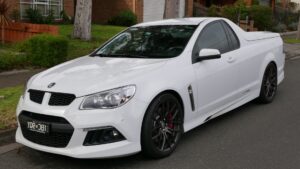
- Holden Maloo R8 (Various Years): If a standard Ute is a mullet, the Maloo is a flaming, V8-powered mullet. Produced by Holden’s performance division (HSV), these were fire-breathing monsters with Corvette-derived engines, making them some of the fastest “trucks” in the world.
- Chevrolet El Camino (1959-1987): The most famous American interpretation of the Ute concept. The El Camino blended muscle car styling with a practical cargo bed, creating a cultural icon that remains a beloved classic today.
3. The Landaulet: The VIP’s Half-Convertible
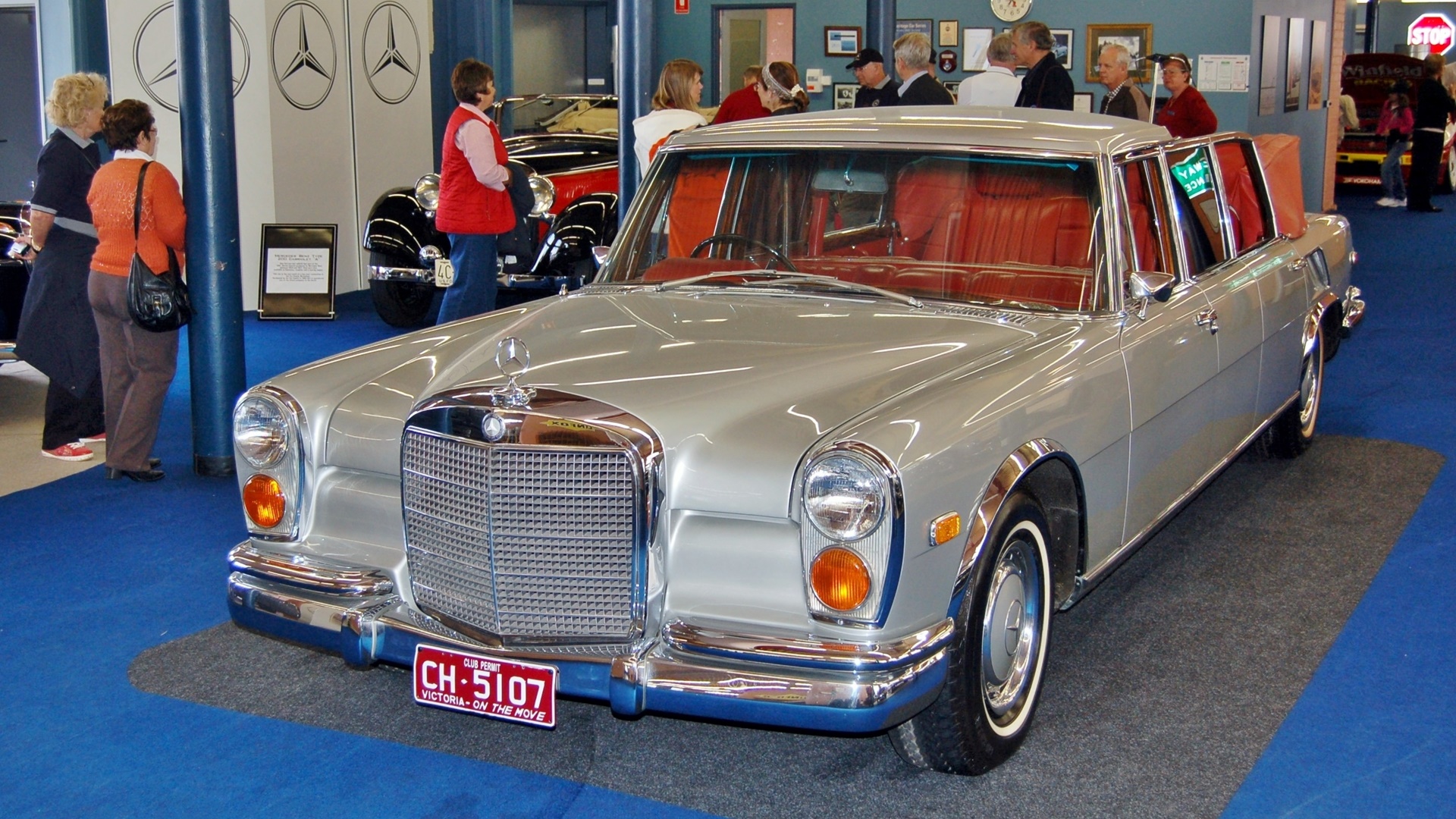
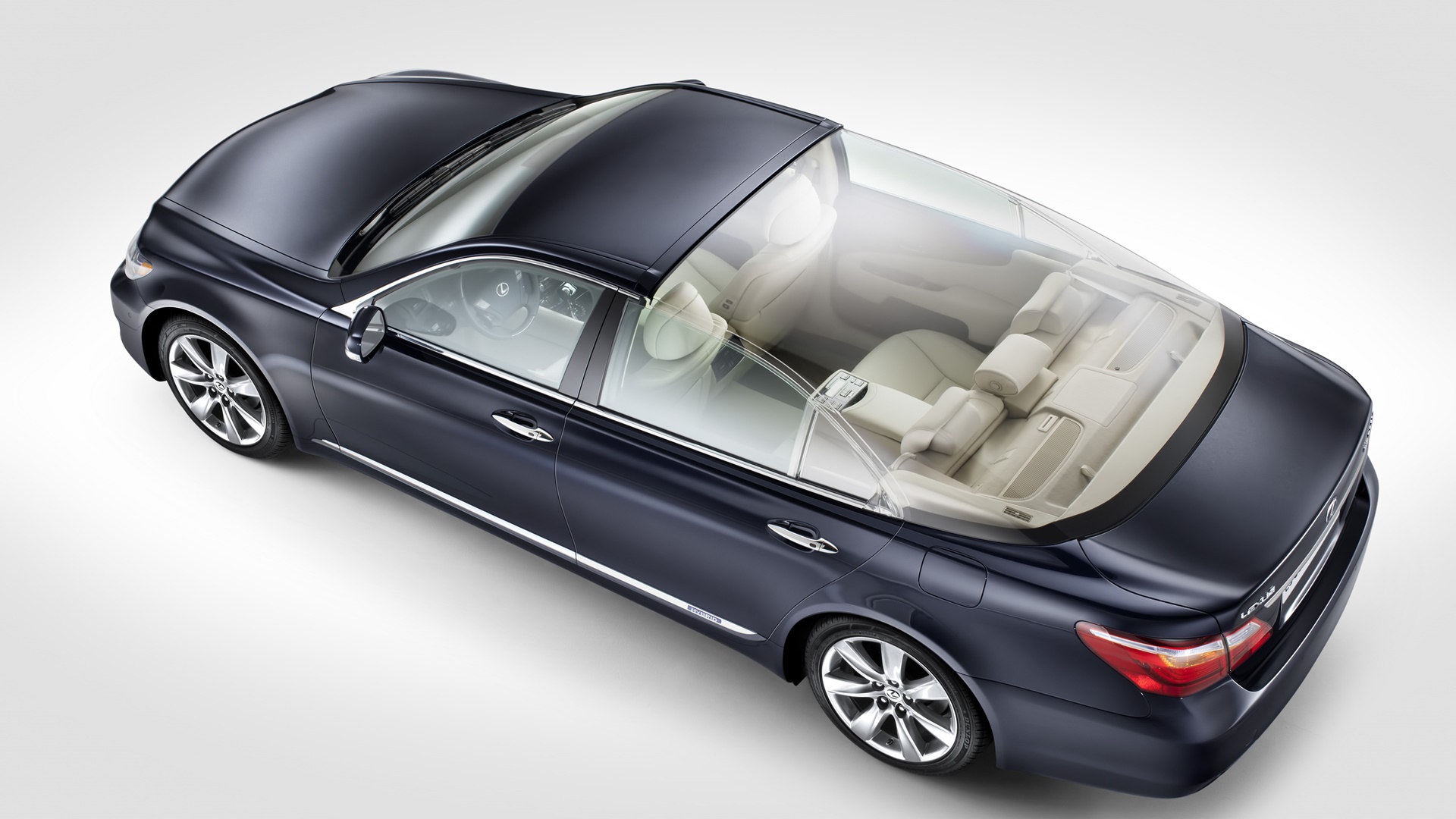
You’re a head of state, a captain of industry, or perhaps even a Pope. You need a vehicle that screams “I have arrived,” but a standard limousine is just too… enclosed. You want to wave to your adoring public, but you need your chauffeur to remain shielded from the elements. The answer is the incredibly opulent and exceedingly rare Landaulet.
A Landaulet is a unique body style where the chauffeur’s compartment is covered by a fixed roof, while the rear passenger section has a convertible soft top. This design puts all the focus on the passengers, giving them an open-air experience while maintaining the formal presence of a limousine.
This is the pinnacle of chauffeured luxury, a rolling parade float for the one percent of the one percent. They are almost exclusively built by high-end manufacturers or custom coachbuilders, and their price tags are often astronomical.
Iconic Examples:
- Mercedes-Benz 600 Pullman Landaulet (1964-1981): The definitive Landaulet. A technological masterpiece of its time, it was the vehicle of choice for countless world leaders, dictators, and celebrities, from John Lennon to Saddam Hussein.
- Maybach 62 S Landaulet (2007): A modern revival of the concept, this was one of the most expensive sedans in the world upon its release. With a twin-turbo V12 and a cabin dripping in leather and granite, it was pure, unadulterated excess on wheels.
- Lexus LS 600h L Landaulet (2011): A one-of-a-kind creation built for the royal wedding of Prince Albert II of Monaco. This custom build featured a transparent polycarbonate roof and showcased that even modern, eco-conscious hybrid technology could be given the royal Landaulet treatment.
4. The Targa Top: The Best-of-Both-Worlds Convertible
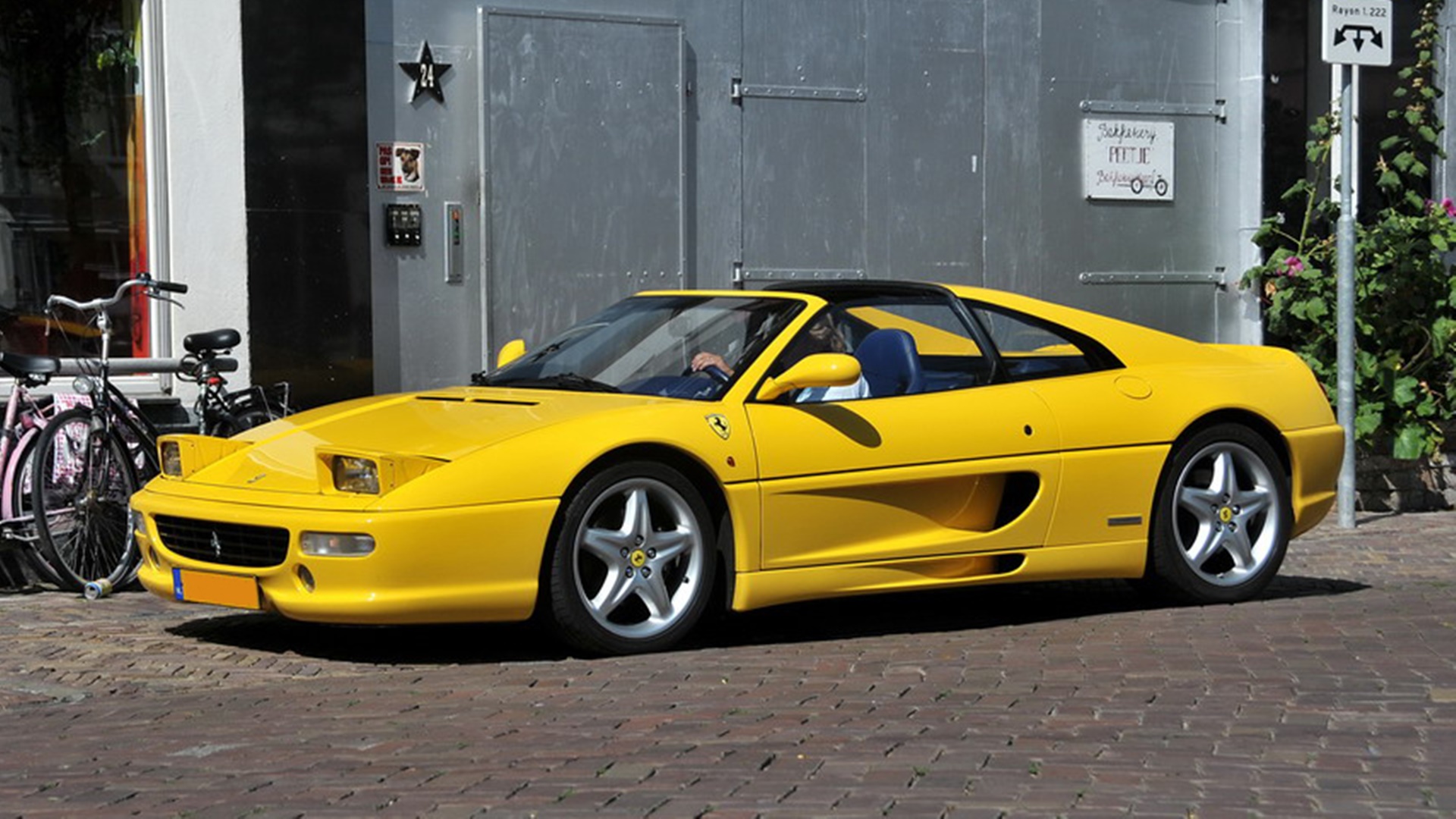
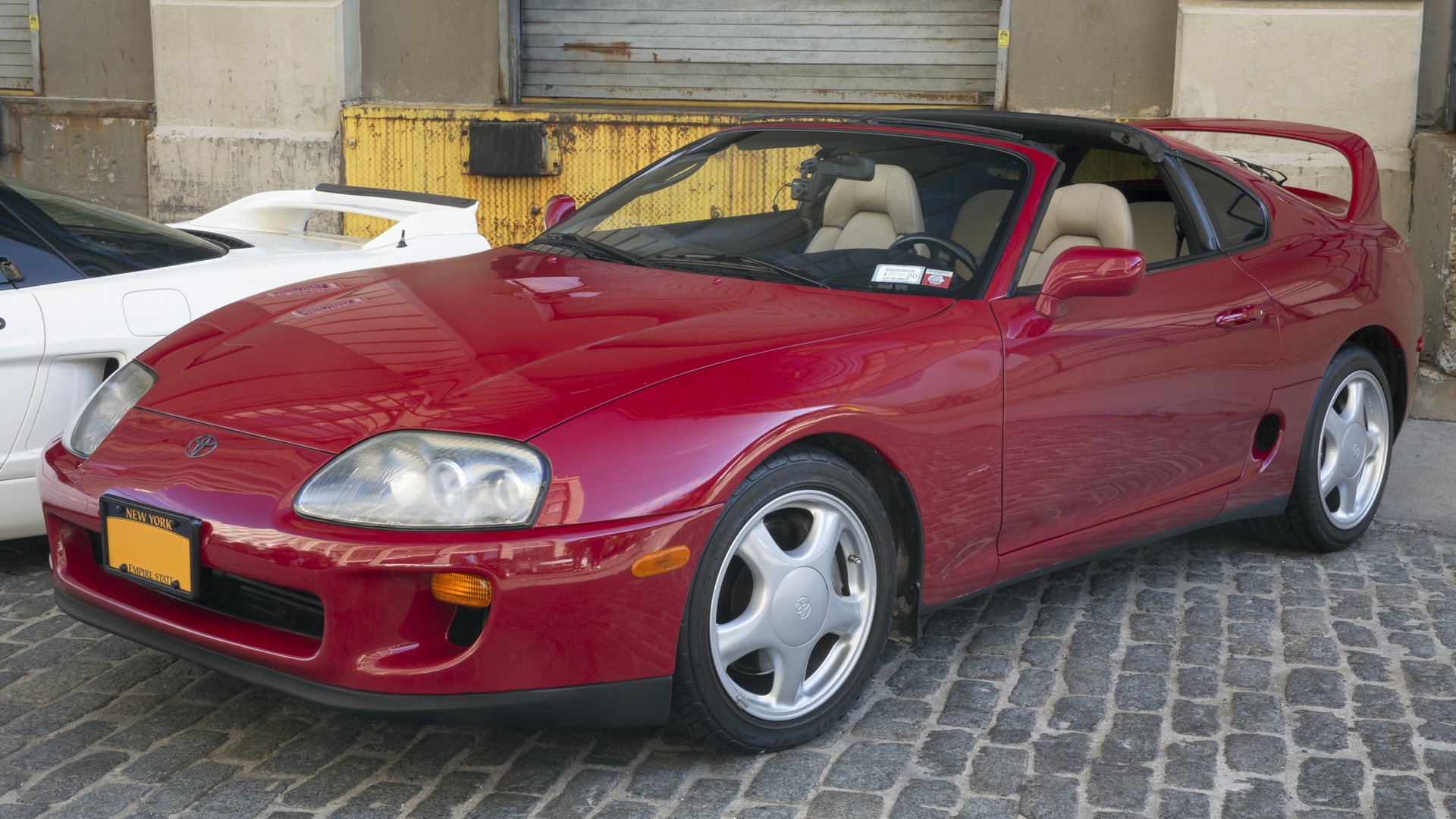
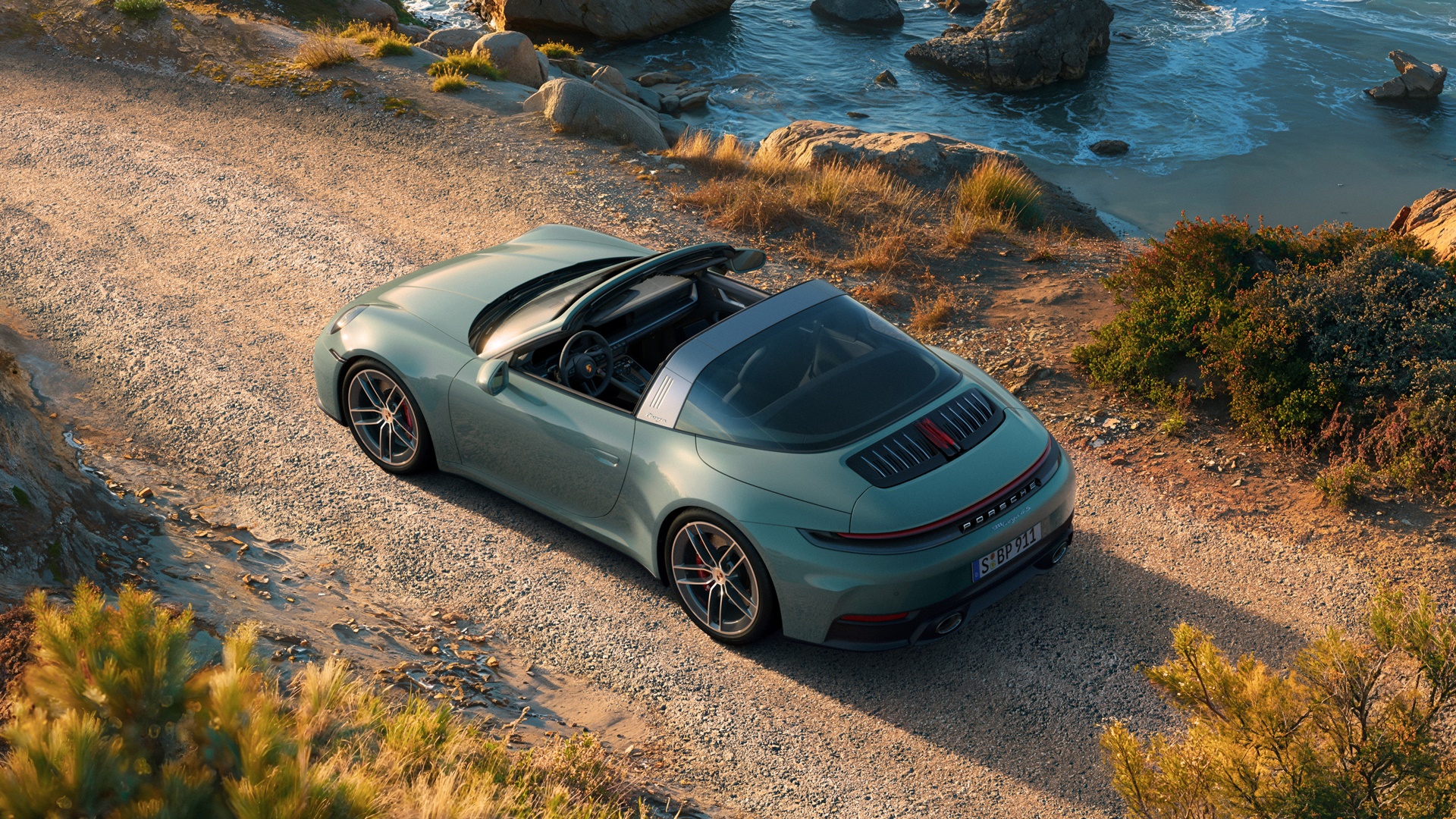
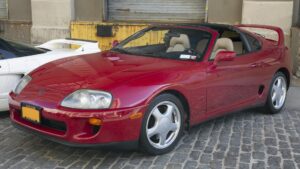

You love the wind-in-your-hair feeling of a convertible, but you hate the chassis flex, the loss of structural rigidity, and the sometimes-flimsy look of a full soft top. You want open-air motoring with the security and silhouette of a coupe. What you’re looking for is a Targa Top.
Named and popularized by Porsche, the Targa design is a semi-convertible style that features a removable roof panel over the front seats and a fixed, full-width roll bar structure behind the occupants. This design was Porsche’s clever response to fears in the 1960s that the US government would outlaw full convertibles due to safety concerns. The “Targa bar” provided rollover protection while still allowing for an open-roof experience.
The result is a distinct look that offers a fantastic compromise between a fixed-roof coupe and a full-blown convertible.
Iconic Examples:
- Porsche 911 Targa (1967-Present): The originator of the name and the style. The iconic stainless-steel Targa bar is a design hallmark that has defined this 911 variant for decades, evolving from a lift-out panel to today’s incredibly complex automated roof.
- Toyota Supra (A80, 1993-2002): The legendary Mk4 Supra was offered with an optional “aerotop,” which was Toyota’s name for its Targa configuration. This lift-out roof panel became a highly desirable feature for the JDM icon.
- Ferrari F355 GTS (1995-1999): The “GTS” in a Ferrari name (Gran Turismo Spider) often signifies a Targa top model. The F355 GTS is one of the most beautiful examples, preserving the stunning coupe lines while allowing the glorious sound of its V8 engine to fill the cabin.
5. The Bubble Car: Microscopic Motoring
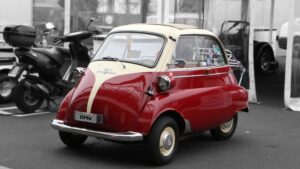
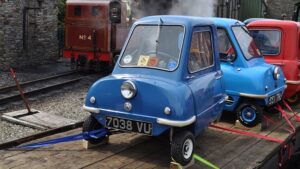
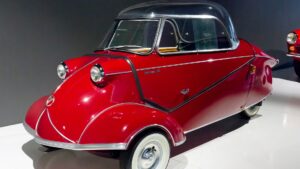
In the aftermath of World War II, Europe was rebuilding. Resources were scarce, fuel was expensive, and people needed cheap, efficient transportation. This gave rise to one of the quirkiest automotive categories ever conceived: the Bubble Car.
These were a specific type of microcar characterized by their egg-shaped bodies, large “bubble-like” windows, and tiny engines, often borrowed from motorcycles or scooters. They were designed to be as economical and minimalist as possible, often seating only one or two people in tandem.
Their designs were truly bizarre, born more from function and necessity than traditional automotive styling. They were a short-lived but memorable chapter in automotive history, representing a unique solution to a unique set of problems.
Iconic Examples:
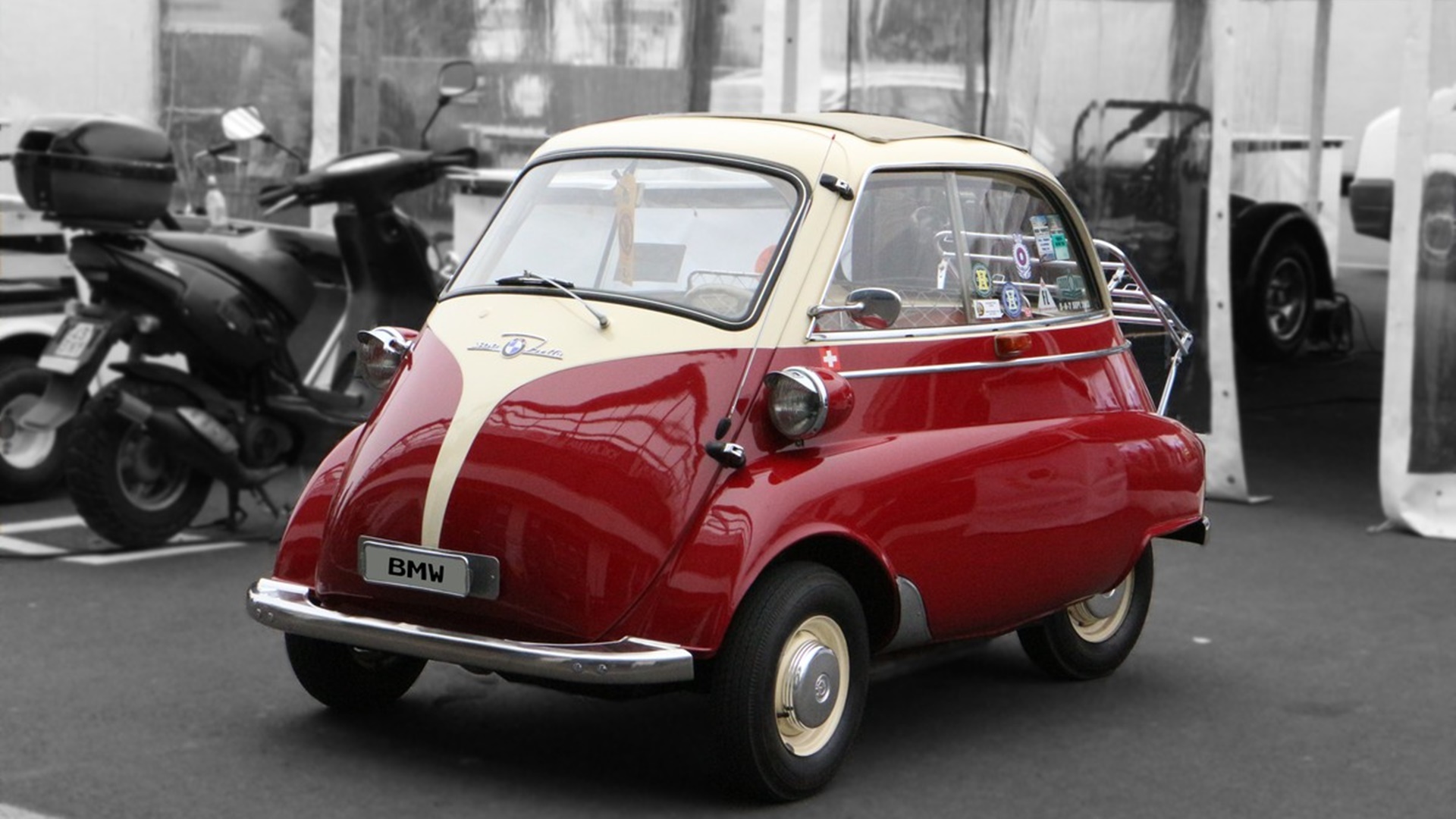
- BMW Isetta (1955-1962): The most famous bubble car wasn’t originally a BMW. Designed by the Italian firm Iso, the Isetta’s defining feature was its single front-mounted door, to which the steering column was attached. To get in, you opened the entire front of the car.
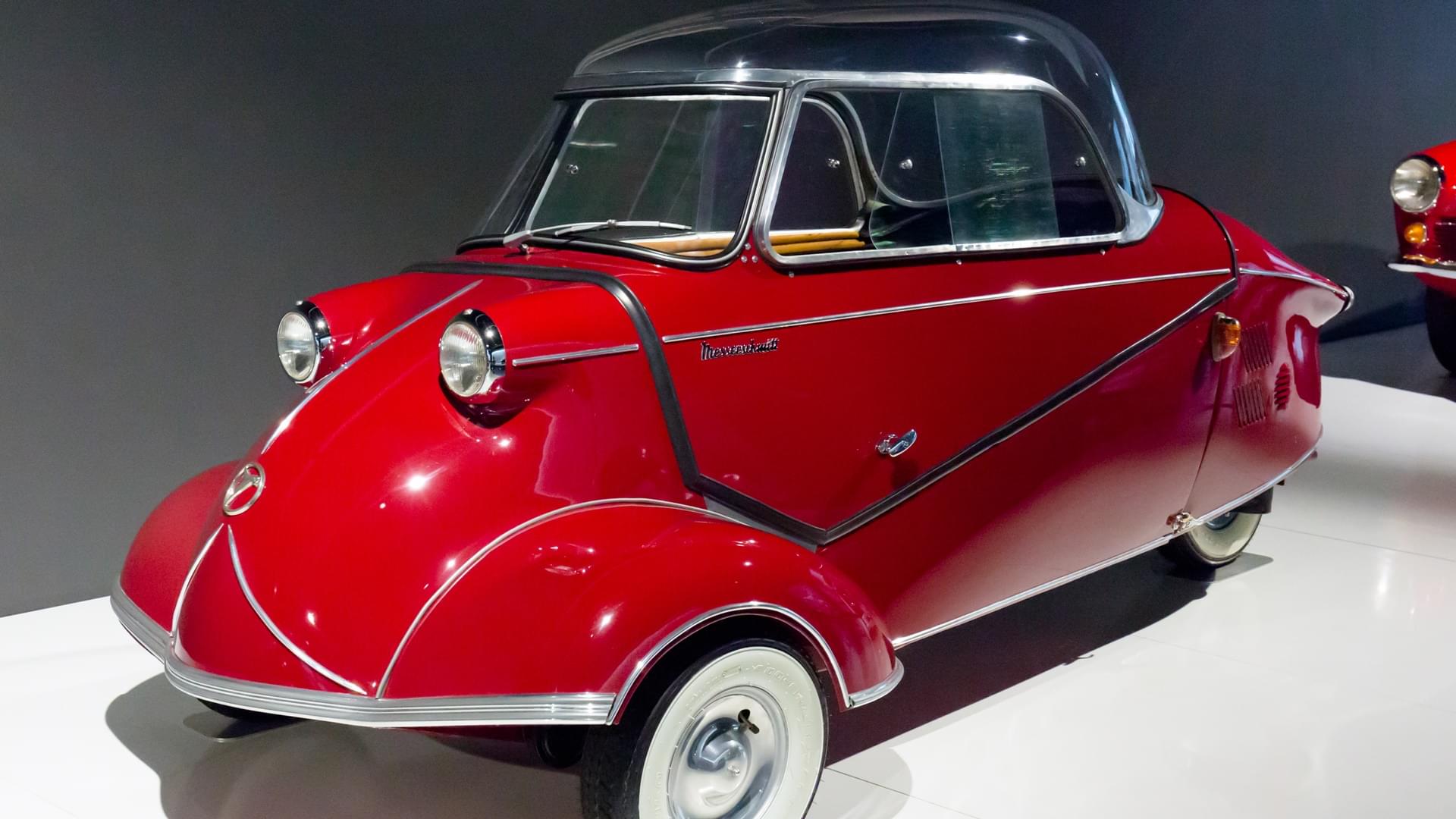
- Messerschmitt KR200 (1955-1964): Designed by an aircraft engineer, the “Kabinenroller” (Cabin Scooter) looked more like a fighter plane cockpit than a car. It featured tandem seating for two and a canopy that hinged sideways for entry.
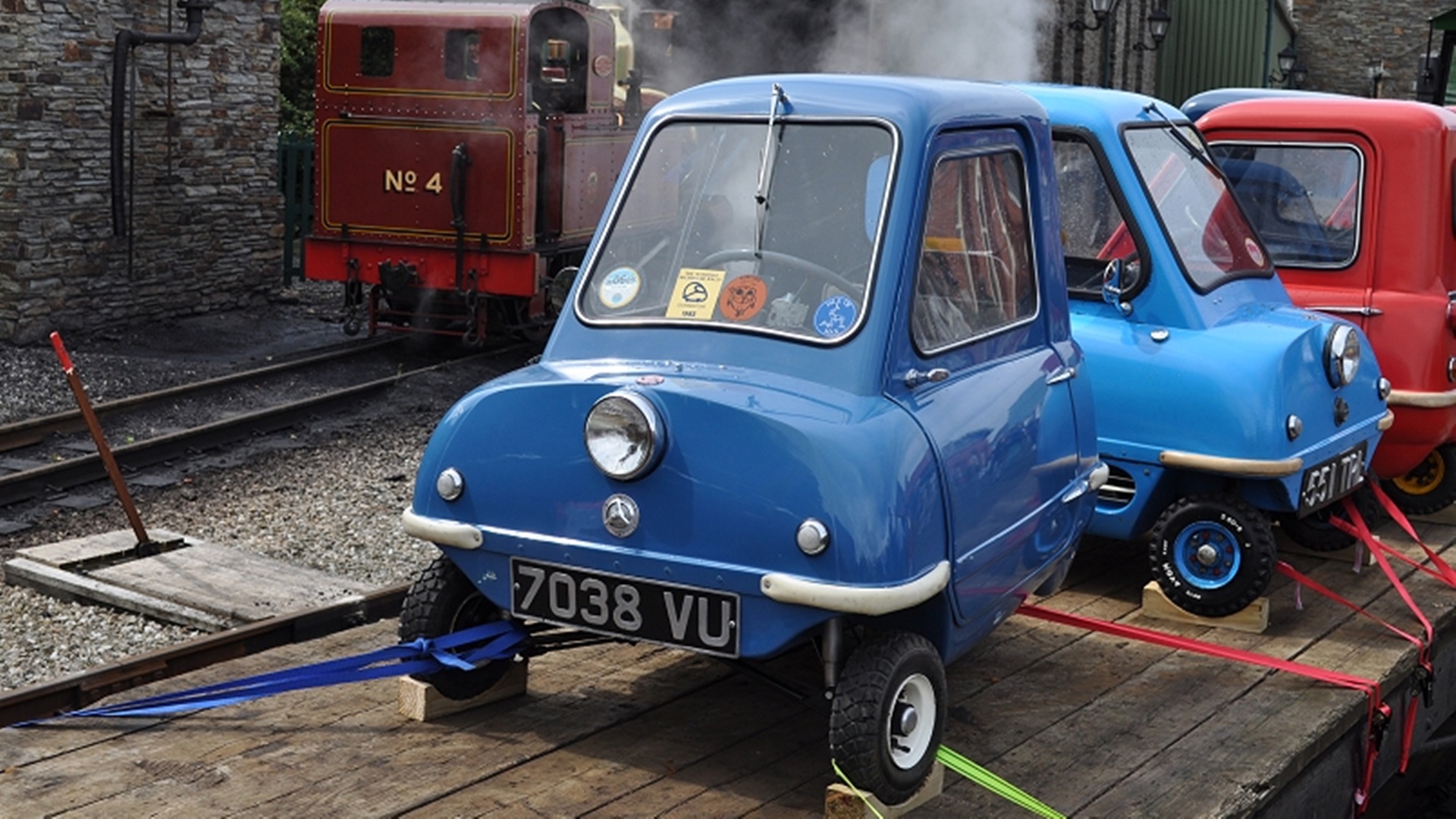
- Peel P50 (1962-1965): Certified by Guinness World Records as the smallest production car ever made. This three-wheeled wonder from the Isle of Man had one door, one headlight, and no reverse gear—just a handle on the back for the driver to pick it up and turn it around manually.
6. The Personal Luxury Coupe: Two-Door Land Yachts
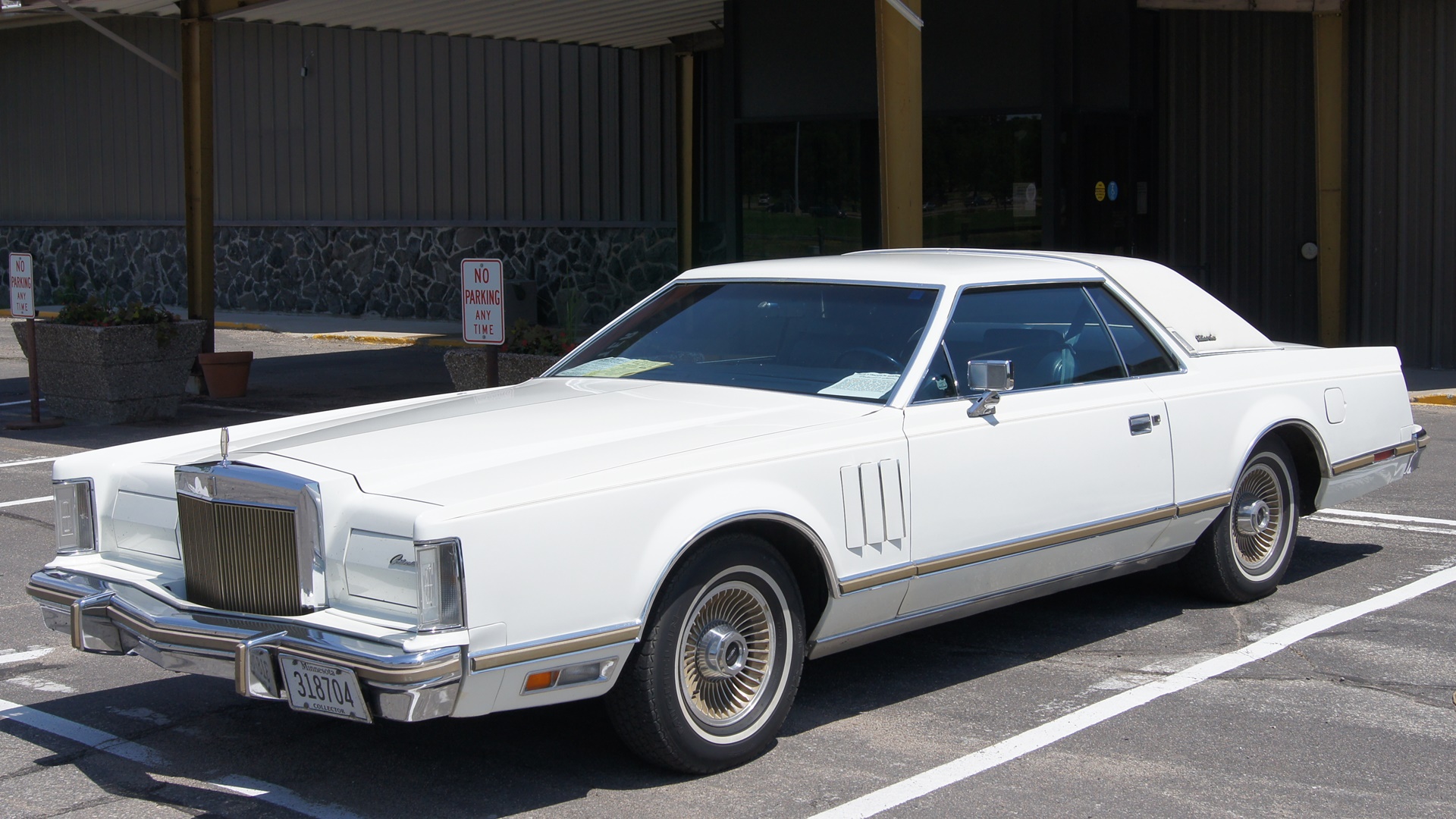
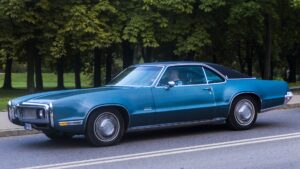
Go back to 1970s America. The muscle car era was fading under the weight of oil crises and emissions regulations. In its place, a new type of car rose to prominence: the Personal Luxury Coupe.
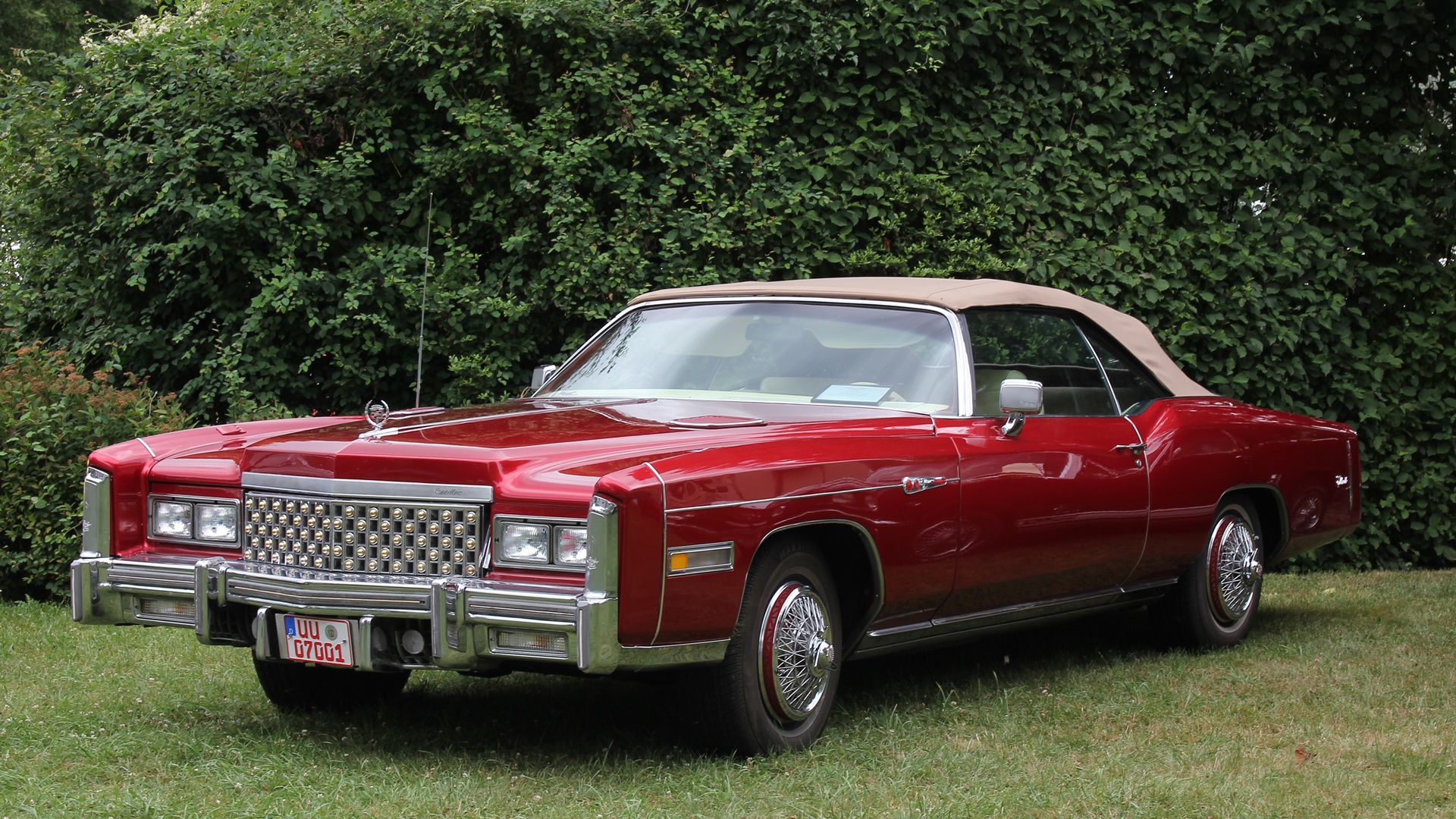
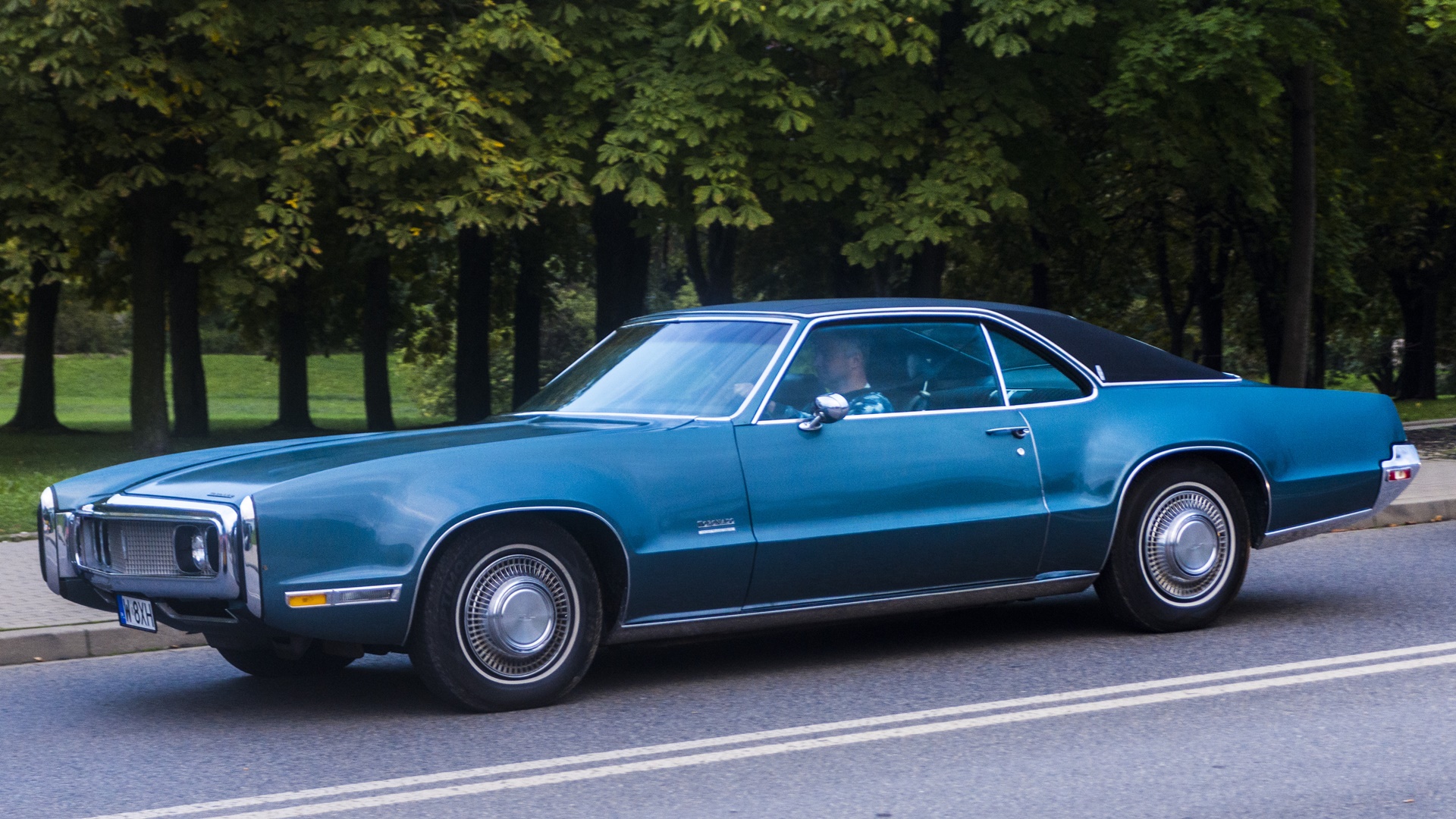
This wasn’t about speed; it was about status, comfort, and style. These were massive two-door cars, often longer than today’s full-size SUVs. They were defined by their long hoods, short rear decks, plush interiors with “crushed velour” upholstery, opera windows, and often, padded vinyl roofs.
They were a statement. They said you valued comfort over cornering, and you had enough disposable income to buy a huge car that was deliberately impractical for carrying more than one passenger.
Iconic Examples:
- Lincoln Continental Mark V (1977-1979): The undisputed king of the category. At nearly 20 feet long, with razor-sharp fender lines and a Rolls-Royce-style grille, the Mark V was the definition of 1970s automotive excess.
- Cadillac Eldorado (1953-2002): A name synonymous with American luxury for fifty years. The 1970s models, with their enormous V8 engines and flamboyant styling, were perfect status symbols for the era.
- Oldsmobile Toronado (1966-1992): While it perfectly fit the personal luxury mold, the Toronado was also a technical pioneer. The 1966 original was a groundbreaking front-wheel-drive car, a massive coupe pulling itself along with a giant V8 engine.
7. The Kei Car: Tiny But Mighty
Kei Car
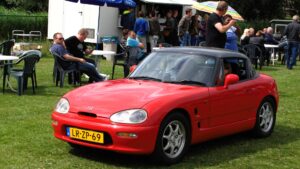
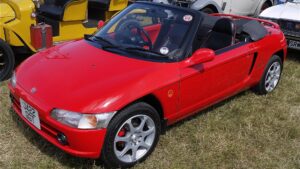
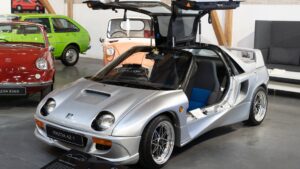
Our final stop is Japan, home of the Kei Car. The name comes from kei-jidosha, meaning “light automobile.” This isn’t just a general term for a small car; it’s a specific legal classification in Japan.
To qualify as a Kei car, a vehicle must adhere to strict government regulations on its physical size, engine displacement (currently capped at a minuscule 660cc), and power output. In return, owners get significant tax and insurance benefits and are exempt from certain parking regulations.
While most Kei cars are practical city-friendly boxes, the restrictive rules have also forced Japanese engineers into fits of incredible creativity, resulting in some of the most interesting and fun-to-drive micro-machines ever made. This includes sports cars, tiny off-roaders, and even gullwing-doored supercars in miniature.
Iconic Examples:
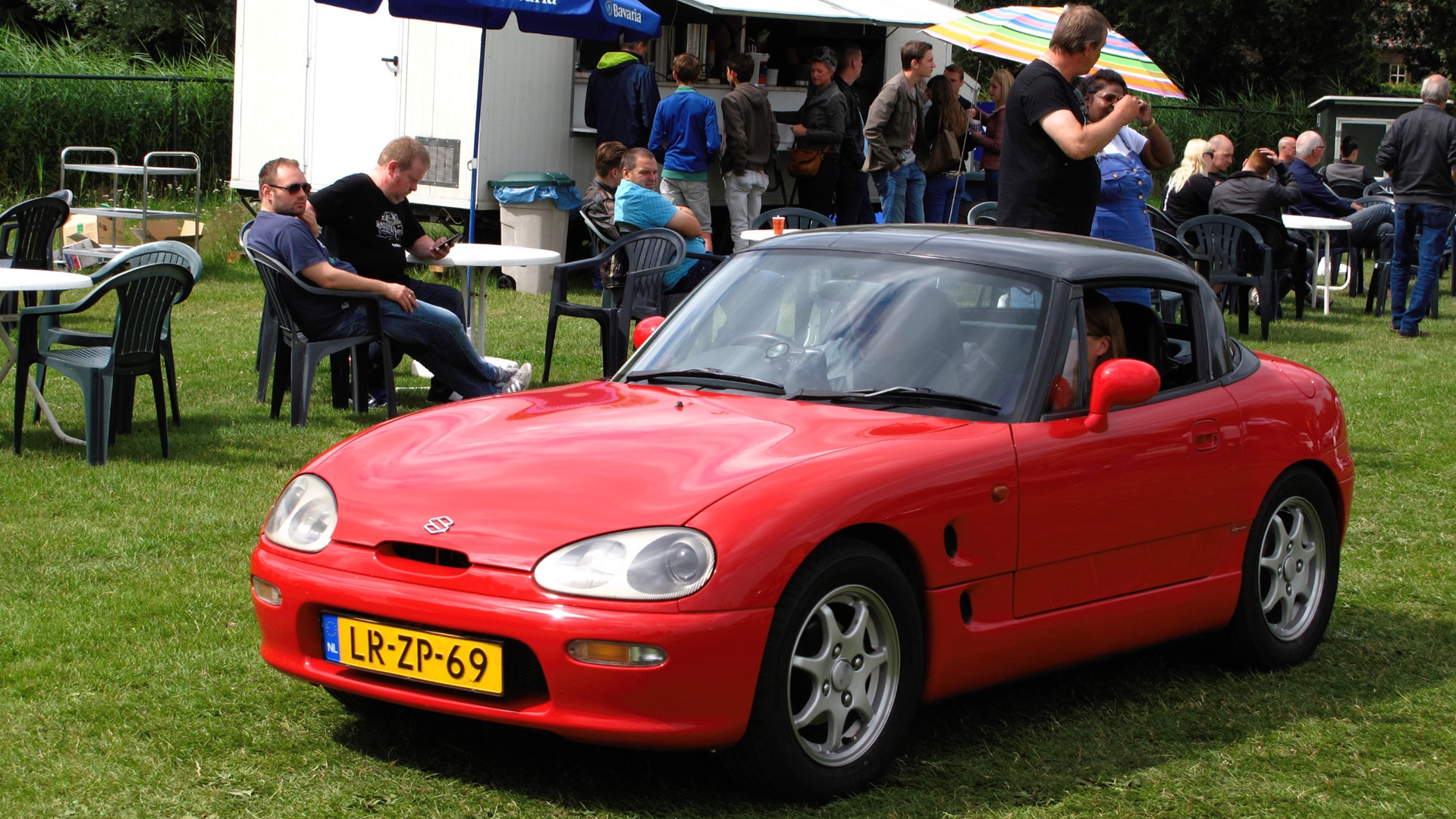
- Suzuki Cappuccino (1991-1998): A tiny, front-engined, rear-wheel-drive roadster. It was perfectly balanced and featured a brilliant three-piece hardtop that could be configured as a coupe, T-top, Targa, or full convertible.
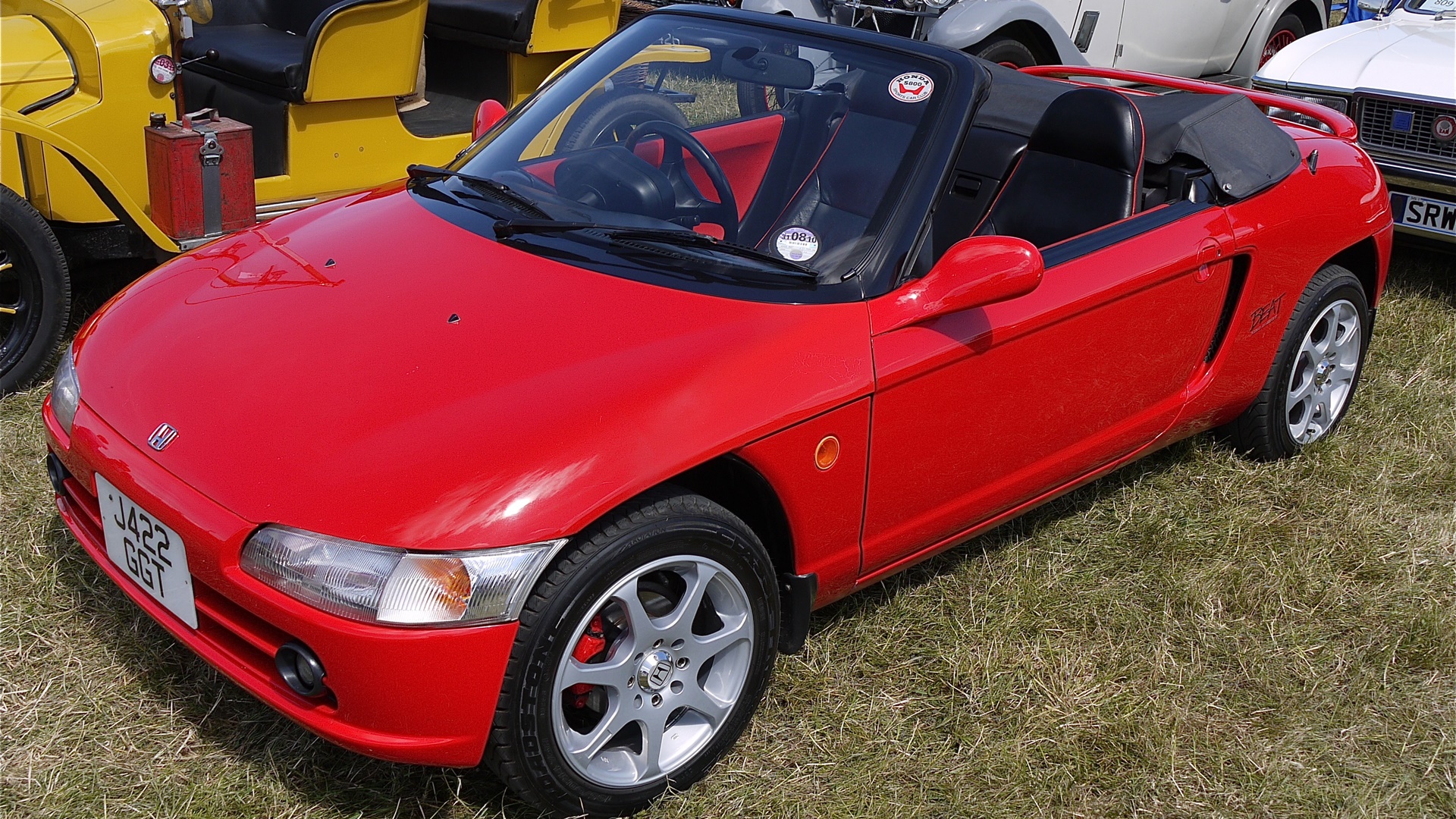
- Honda Beat (1991-1996): A mid-engined, two-seat roadster with a high-revving 656cc engine that screamed to an 8,500 RPM redline. It was a tiny, open-top exotic car for the people.
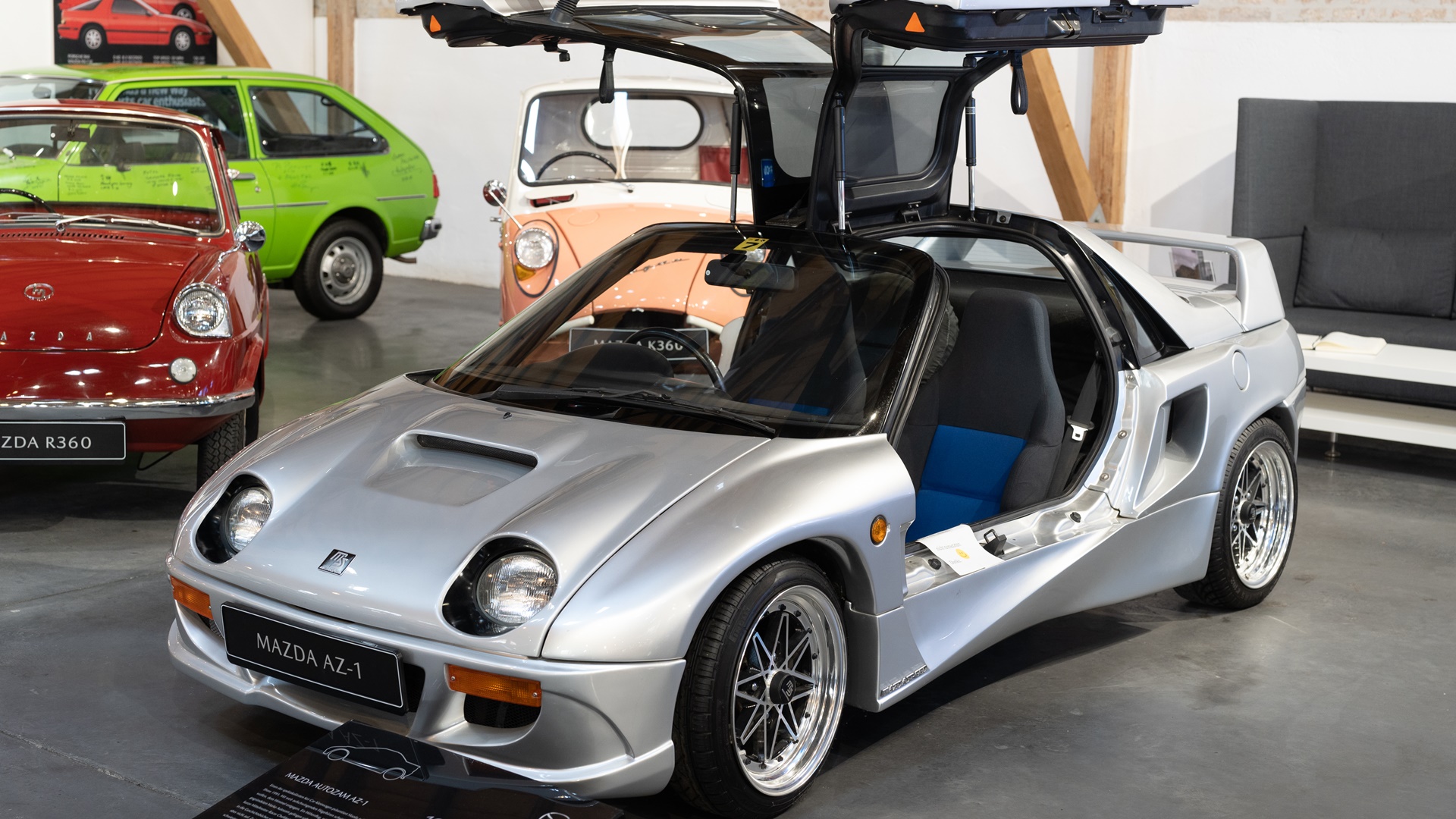
- Autozam AZ-1 (1992-1994): Perhaps the wildest Kei car of them all. Built by Suzuki but sold under Mazda’s Autozam brand, this was a mid-engined micro-supercar with dramatic gullwing doors. It was impractical, cramped, and absolutely wonderful.
The World is Your Garage
From the aristocratic grace of the Shooting Brake to the minimalist genius of the Kei Car, the automotive world is rich with diversity. These categories prove that car design is about so much more than just getting from Point A to Point B. It’s about solving problems, making statements, and sometimes, just having a bit of fun.
So, the next time you’re at a car show or browsing the classifieds, keep an eye out. You might just spot one of these rare breeds in the wild.
What’s your favorite from our list? Are there any other obscure car types you think should have made the cut? Let us know in the comments and be sure to share this with a friend who thinks they know everything about cars!


