

Toyota is on fire, and the automotive world has been forced to take notice. For years, the brand was synonymous with reliability and efficiency, qualities that made it a global leader but often left enthusiasts wanting more. That perception has been completely shattered by the arrival of the Gazoo Racing (GR) division’s street lineup.
From the rally-bred, all-wheel-drive pocket rocket GR Yaris, to the drift-happy, pure-driving GR86, and the universally acclaimed, manual-only GR Corolla, TGR has proven that driver-focused performance is a top, non-negotiable priority. Now, with the unveiling of the Toyota GR GT, the brand is aiming higher than ever, planting its feet firmly in the territory of established European supercars.
The GR GT is more than just a new halo car for Toyota; it is a profound commitment. Developed alongside its full-blown GT3 racing twin, it is a technological showcase that merges decades of motorsport engineering with advanced hybrid power. This is the ultimate expression of the “road-legal race car” philosophy, signaling a dramatic new chapter in Toyota’s history that rivals, and may even surpass, the ambition of the original 2000GT and the legendary Lexus LFA.
Performance and Engineering: The V8 Hybrid Revolution
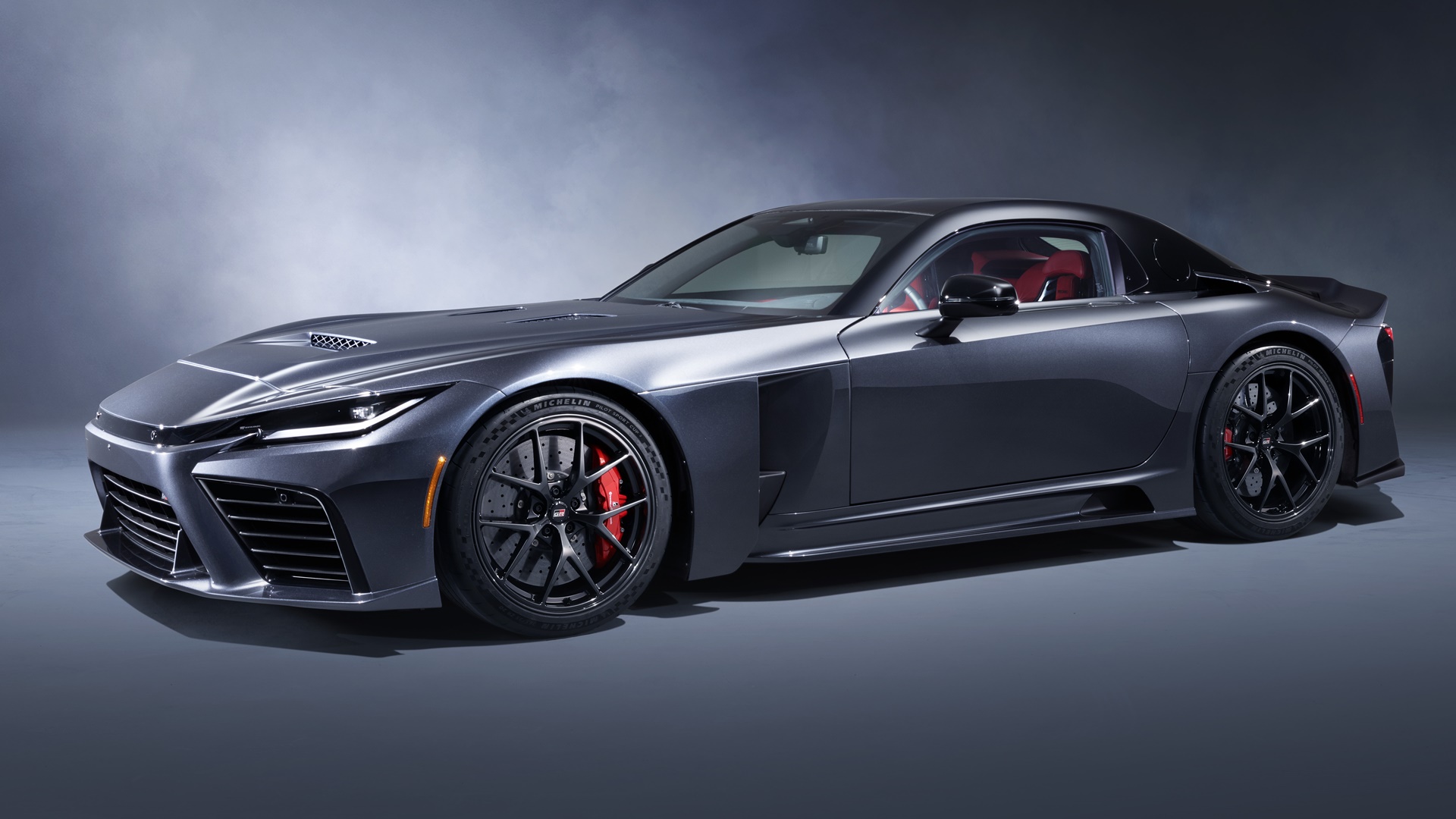
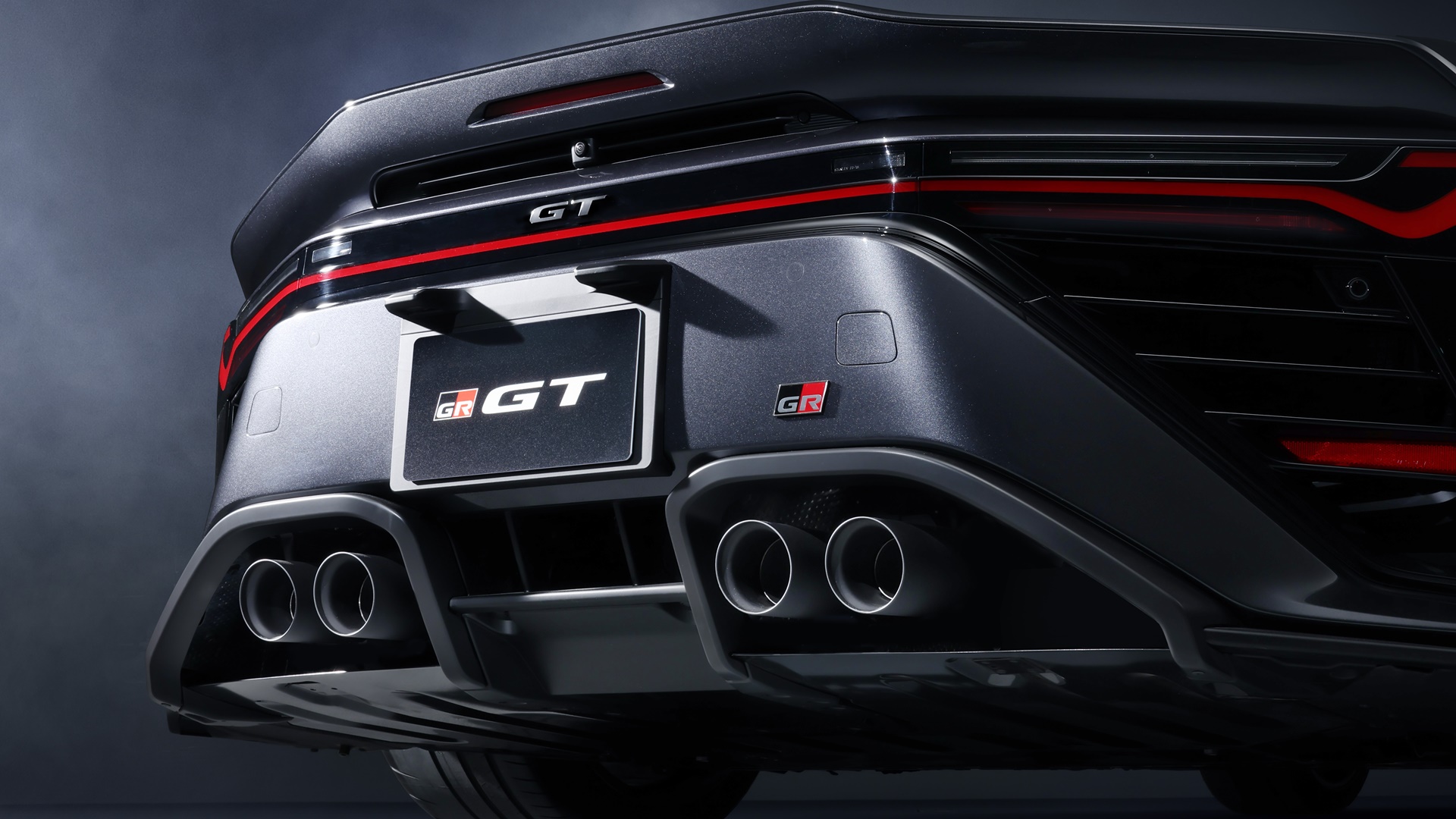
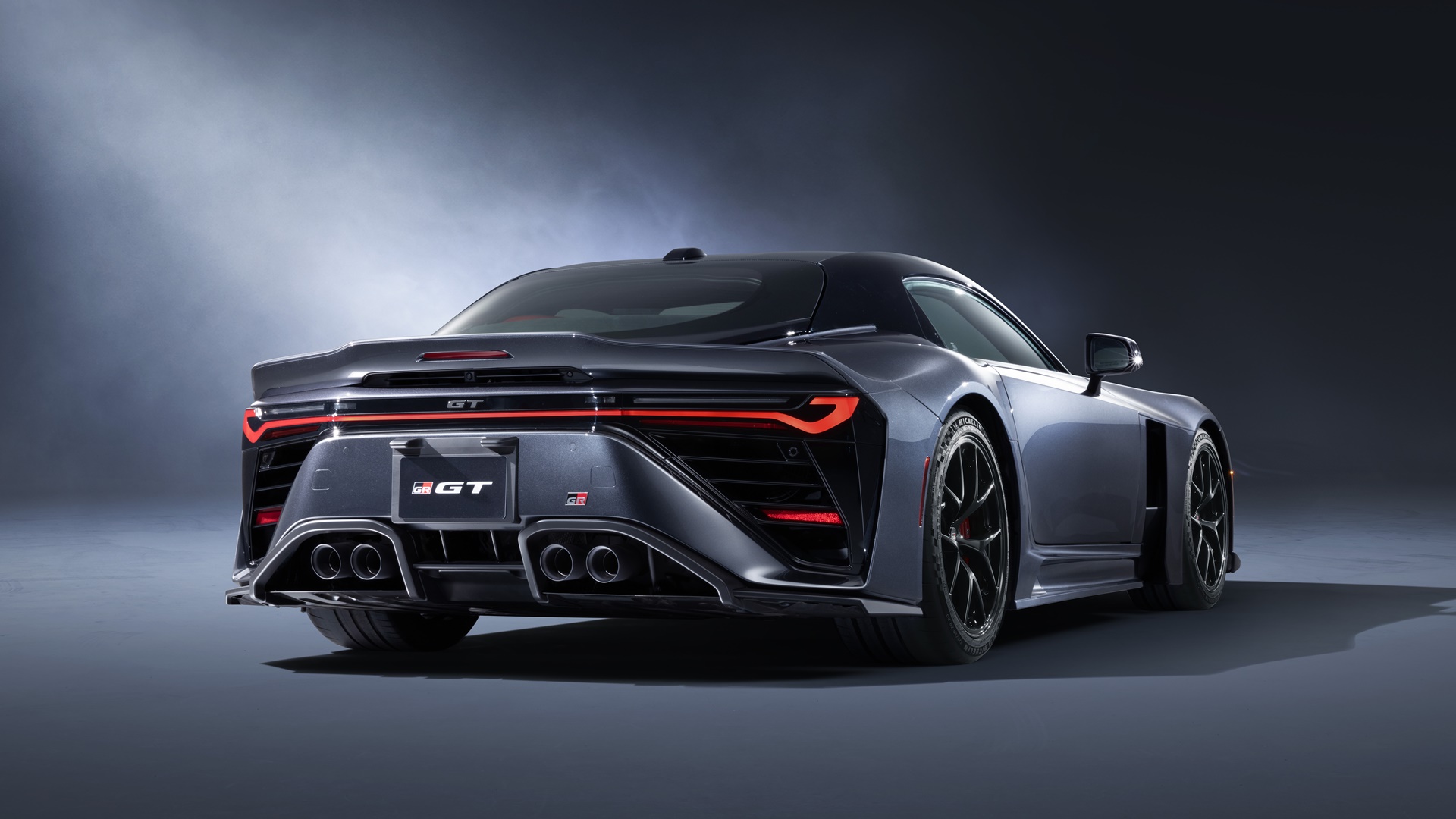


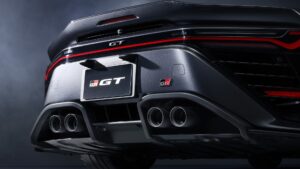

The engineering brief for the GR GT was guided by three principles: a thoroughly low center of gravity, low weight coupled with high rigidity, and relentless pursuit of aerodynamic performance. Every single component and dimension, from the driver’s seating position to the turbocharger placement, has been made to serve these goals.
The Heart of the Beast: A New Hybrid V8

The GR GT brings Toyota’s first-ever twin-turbo V8 into a production vehicle. This engine is not a recycled unit but a newly developed 4.0-liter powerhouse, designed to be compact and light. It is also paired with a single electric motor, making this the most powerful production Toyota Road Car.
Specifications:
- Engine: 4.0-liter Twin Turbo V8 Hybrid
- Power: 650 Horsepower
- Torque: 627 Pound-feet
- Transmission: Eight-Speed Automatic
- Drivetrain: Rear-Wheel Drive
- Top Speed: 199+ mph
The V8 layout indicates a design optimized for high revs and responsiveness. The electric motor is also essential to smooth out any low-end torque gaps, ensuring that this supercar delivers immediate power from a standstill all the way to its redline.
Chassis: The All-Aluminum Architecture
The GR GT is built on Toyota’s first-ever all-aluminum body frame. This choice is a significant departure from the carbon fiber-intensive construction of the LFA, signaling a focus on achieving high performance and rigidity using a more understood, cost-effective, and easier-to-repair material. It still targets a low curb weight of 1,750 kg (3,800 lbs) or less.
Weight distribution is nothing short of exceptional for a front-engined car: 45% front and 55% rear. This feat is accomplished by adopting a front-midship engine position (the engine sits behind the front axle centerline) and placing the heavy transmission, hybrid components, and differential in a rear transaxle layout. The engine is connected to the transaxle via a Carbon Fiber torque tube. This layout is reminiscent of AMG’s GT and SLS.
Drivetrain & Dynamics
Power is sent exclusively to the rear wheels (RWD) through a newly developed 8-speed automatic transmission. This unit features a wet-start multi-plate clutch in place of a traditional torque converter. This sophisticated piece of engineering allows for lightning-fast gear changes typical of dual-clutch units while providing smooth low-speed engagement, crucial for managing the hybrid transition and high-torque loads.
The dynamic package is completed with:
- Suspension: Low-mounted double wishbones at all four corners, featuring forged aluminum arms for reduced unsprung mass.
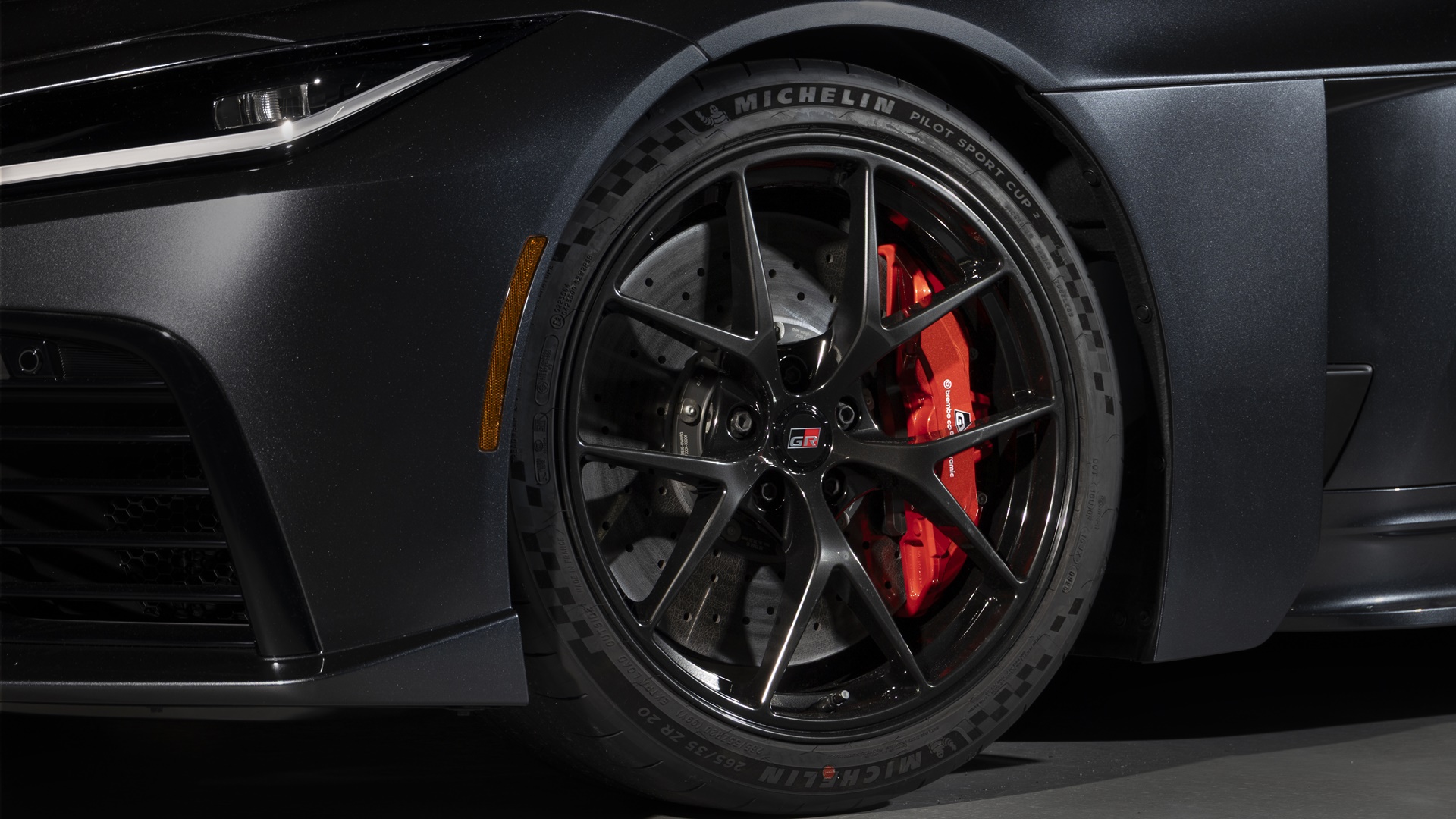
- Brakes: Brembo Carbon-Ceramic disc brakes provide relentless stopping power required for a car with a top speed exceeding 199 mph (320 km/h).
- Tires: Michelin Pilot Sport Cup 2 tires (265/35ZR20 front, 325/30ZR20 rear) developed specifically for the car ensure a massive contact patch.
Design and Aerodynamics: Born in the Wind Tunnel
The GR GT’s muscular, dramatic silhouette is not the work of a styling studio’s fantasy; it is a design dictated entirely by physics. TGR adopted an “Aerodynamics First” design methodology.
Conventionally, a car is styled, and then aero engineers attempt to make it work. For the GR GT, aerodynamics engineers with WEC (World Endurance Championship) experience defined the ideal form for downforce, drag reduction, and cooling first. The exterior designers then had the difficult task of wrapping a visually appealing body around that essential, functional shape.
Exterior and Proportions
The result is stunning:
- Height: The car is incredibly low, standing just 1,195 mm (3.9 ft) tall, this was possible because of the dry-sump V8 being mounted so low in the chassis.
- Functional Vents: The long hood features triangular NACA-style ducts, and massive side vents immediately behind the front wheels manage wheel-well pressure and extract heat.
- Construction: The body itself employs a mixture of materials. While the core frame is aluminum, the bonnet, roof, door skins, and rear bulkhead use Carbon Fibre to shave crucial weight off the highest points, further lowering the center of gravity.
The Driver-Focused Interior
The interior continues the theme of driver engagement. The cockpit is stripped down to essentials, emphasizing ergonomics and visibility required for driving at-the-limit.
The design features a driver-centric digital display, a race-inspired flat-bottom steering wheel, and bespoke Recaro racing seats. Crucially, the prototype shows physical controls for climate and key functions, a nod to the philosophy that a driver should not be distracted by a screen while navigating a track at high speed. The low-slung seating position also ensures the driver’s center of gravity is nearly identical to that of the car itself, a technique used to maximize the sense of unity between driver and machine.
The Race-to-Road Connection (GR GT3 Link)
The most compelling aspect of the GR GT is its inseparable link to the world of top-tier motorsports through the GR GT3 race car.
Homologation and Synergy
The GR GT was developed concurrently with the GR GT3, a car built to comply with the FIA’s highly competitive GT3 customer racing regulations. The road car serves as the essential homologation base for the race car.
This means the road car benefits from race-grade durability, structural rigidity, and thermal management from its inception. The GR GT3 version will ditch the hybrid system and be fitted with a sequential race gearbox, but the core aluminum structure, the twin-turbo V8, and the functional aerodynamics are shared. This ensures that the GR GT is not merely a street car inspired by racing, but a street car born from racing.
The Shikinen Sengu Philosophy
Toyota Chairman Akio Toyoda (Master Driver Morizo) has stated that the car’s development adheres to the Shikinen Sengu principle—a Japanese Shinto tradition of periodically rebuilding a shrine to preserve craft, knowledge, and heritage.
In this context, the GR GT is a vessel for passing on the “secret sauce of car-making” from the veteran engineers who created the LFA to a younger generation. It’s a method of continuous learning and evolution, ensuring that the unique skills required to build a world-class performance vehicle do not disappear as the industry shifts toward electric and autonomous technologies. The GR GT, therefore, is as much a school for high-performance engineering as it is a consumer product.
Market Position and Availability: A New Era
The GR GT is scheduled for a global launch around 2027. This timeline allows TGR to fully refine the sophisticated hybrid powertrain and complex chassis for the rigors of production and emissions compliance.
Pricing and Competition
While Toyota has not released official pricing, it has been openly stated that the car will benchmark top-tier European GT3 homologation rivals. Current estimates place the starting price well above $200,000, with some speculation pushing it toward $250,000 USD to compete directly with models like the Porsche 911 GT3 and the Mercedes-AMG GT.
According to Top Gear, Toyota does not intend for this to be a limited edition car like the LFA. The plan amy be to make it a series production supercar like the Lambos and Ferraris of the world.
Not the LFA Replacement
It is important to understand the GR GT’s precise position in the Toyota/Lexus hierarchy. Despite initial media speculation, the GR GT is not the direct replacement for the V10-powered Lexus LFA. Toyota has purposefully executed a two-pronged strategy for its next-generation flagships:
- Toyota GR GT: The torchbearer for the internal combustion and hybrid era. It represents the ultimate evolution of the traditional performance machine, utilizing a twin-turbo V8 and the immediate, visceral connection to motorsports. It is an expression of the driver’s instinct.
- Lexus LFA Concept: Simultaneously revealed, the Lexus version is expected to be a pure Battery Electric Vehicle (BEV) sports car. This model will showcase the future of electrified luxury performance, focusing on instant torque, refinement, and next-generation battery technology (potentially solid-state).
By launching the GR GT as a V8 hybrid and keeping the LFA moniker for a future electric Lexus, Toyota strategically avoids making one single model replace the LFA’s diverse legacy. It allows the GR GT to fully embrace its role as a race-bred, engine-focused performance icon, while allowing Lexus to forge its own electrified path forward.
Conclusion: The GR GT’s Legacy
The Toyota GR GT is more than just a powerful car, it is a philosophical statement. It is a powerful affirmation that the roar of a high-revving V8 engine, coupled with the precision of a purpose-built race chassis, has a vital place in the future of performance driving, even in a hybrid package.
By adhering to its “driver-first” principle and creating a car engineered directly from the demands of FIA GT3 competition, Toyota Gazoo Racing has crafted a genuine world-class supercar. The GR GT is ready to earn its place alongside the 2000GT and LFA, promising a visceral, engaging, and unforgettable driving experience when it arrives in 2027.


