

Few cars have captured the imagination of enthusiasts like the Nissan GT-R. From its roots as a humble Skyline sedan to its reign as the supercar-slaying “Godzilla,” the GT-R has built a reputation for mixing everyday usability with race-winning performance. It’s an icon that bridges Japan’s motorsport heritage with modern engineering brilliance. Let’s take a closer look at how this legend was born, how it evolved, and where it might be heading next.
The Genesis: The “Hakosuka” (1969-1972)
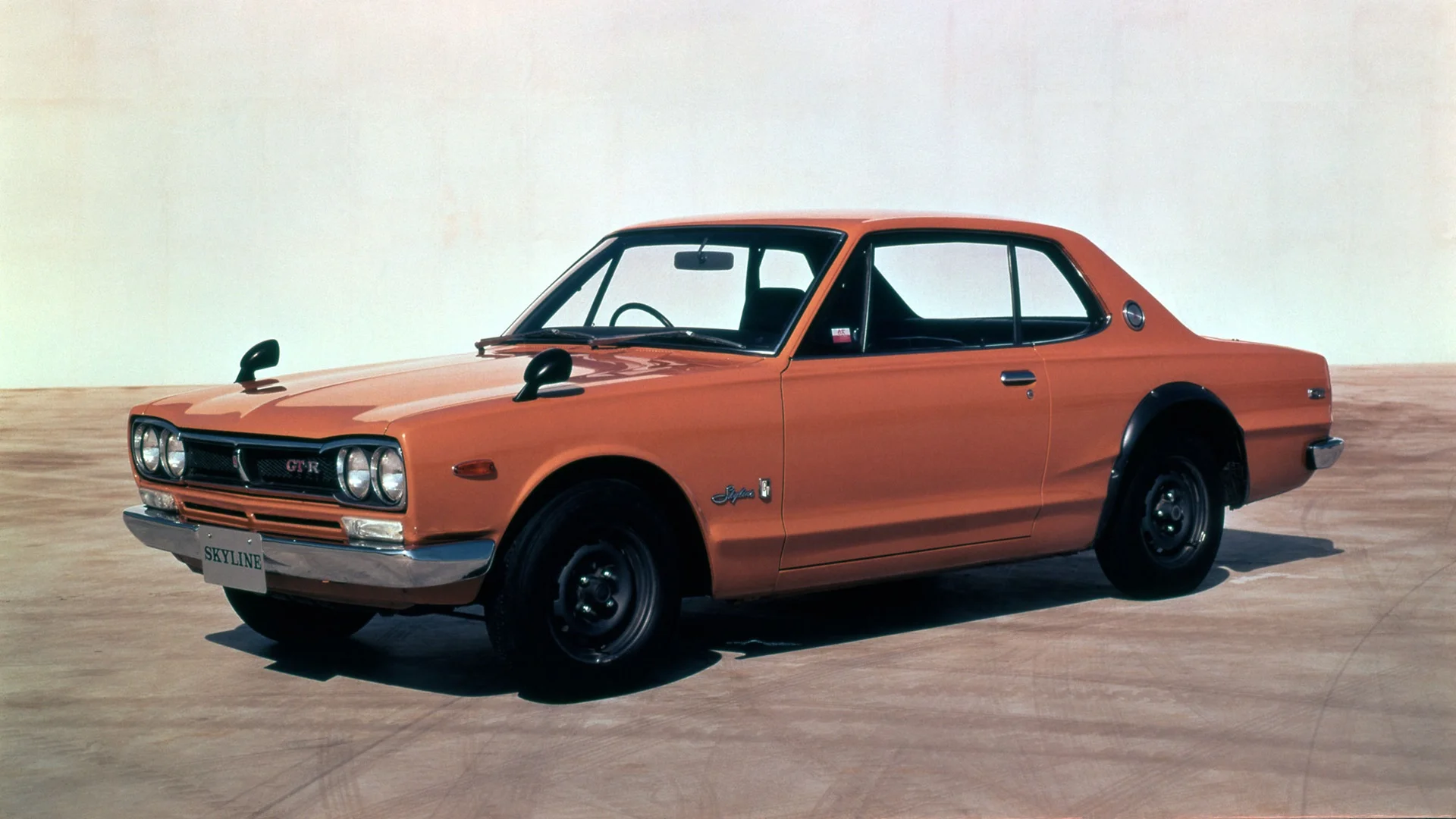
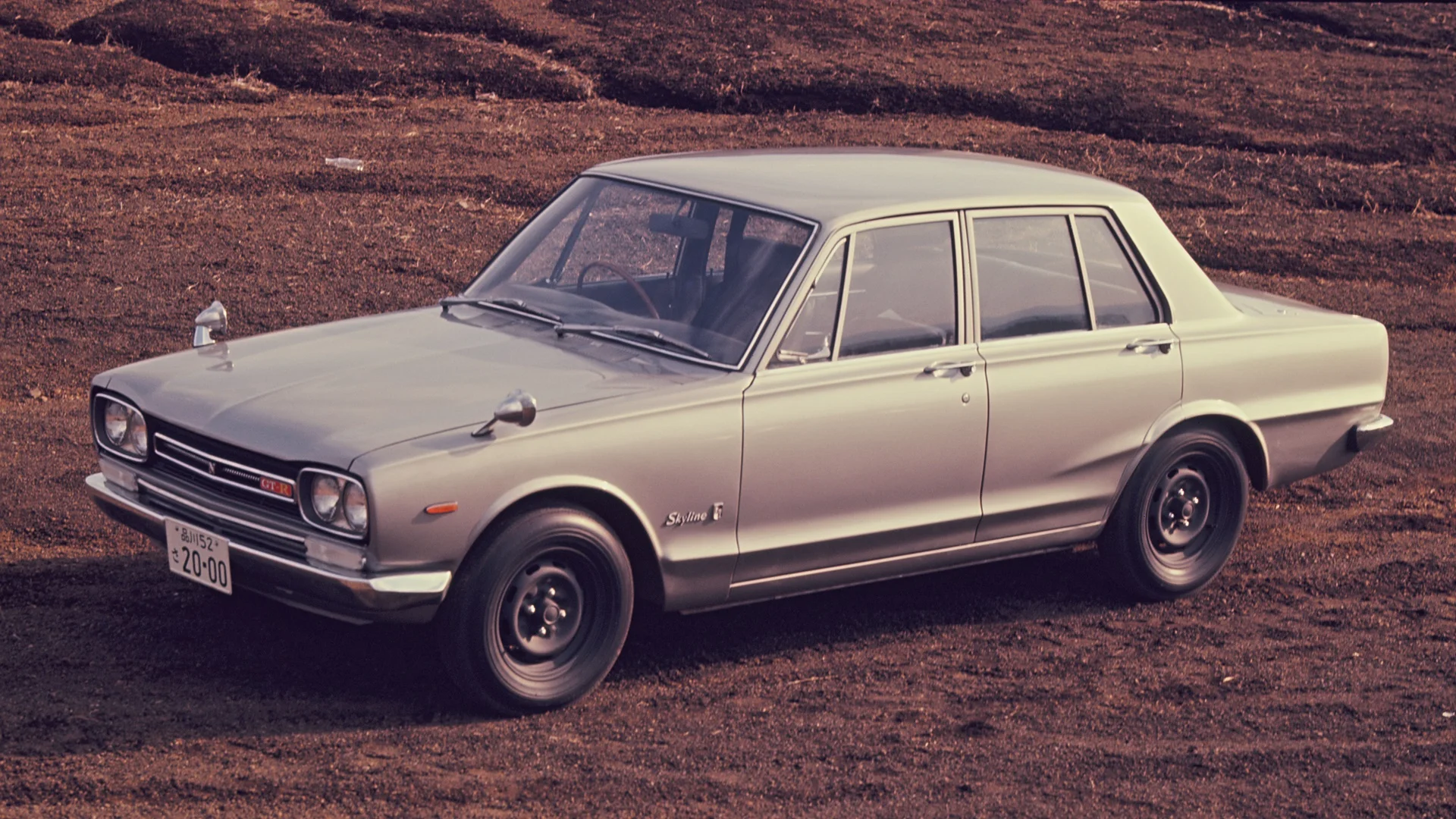
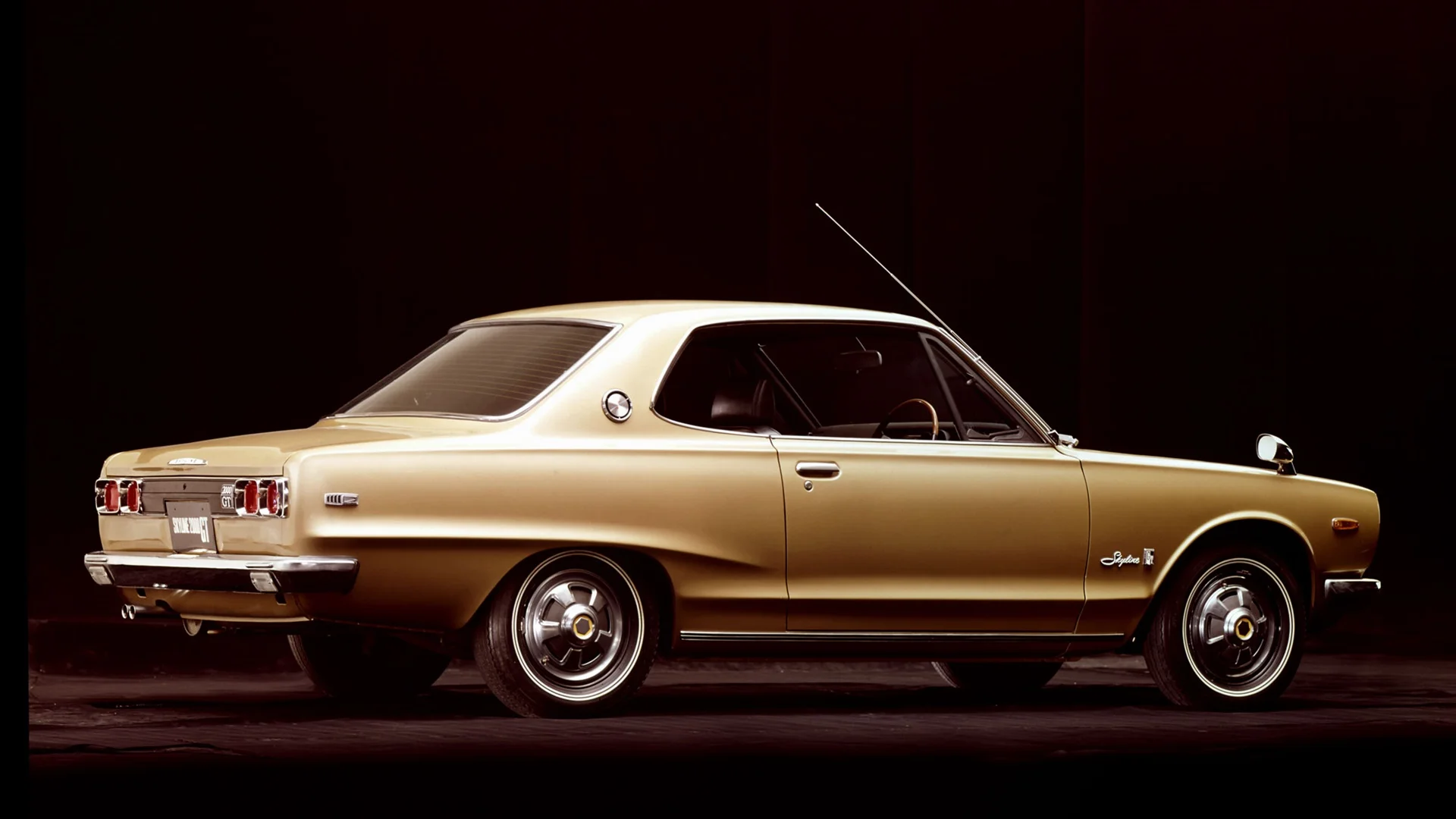
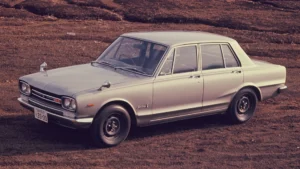
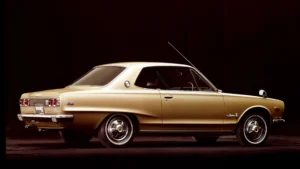
The GT-R’s story starts not with Nissan, but with the Prince Motor Company in the 1950s. Back then, the Skyline was a respectable family sedan with no real performance aspirations. Everything changed after Prince merged with Nissan in 1966. The Skyline name carried over, and by 1969, Nissan unveiled the first true Skyline GT-R a four-door saloon.
Powered by the legendary S20 inline-six engine, a 2.0-liter, dual-overhead-cam, 24-valve unit that produced 160 horsepower and could scream to 7,000 RPM, it was a race car for the road. Stripped of unnecessary comforts and focused purely on speed, the four-door sedan was a weapon on the track. In 1971, Nissan introduced a two-door coupe version which was lighter and more agile.
These first-generation cars quickly earned the nickname “Hakosuka,” a blend of the Japanese words for “box” (hako) and “skyline” (suka), a nod to their simple, functional shape. But their performance was anything but simple. The Hakosuka GT-R achieved an incredible 52 race victories in just three years on the Japanese touring car circuit, cementing its legendary status right from the start. It was a statement of intent: a Japanese family car could be engineered to beat the world’s best sports cars.
The Lost Generation: The “Kenmeri” (1973)
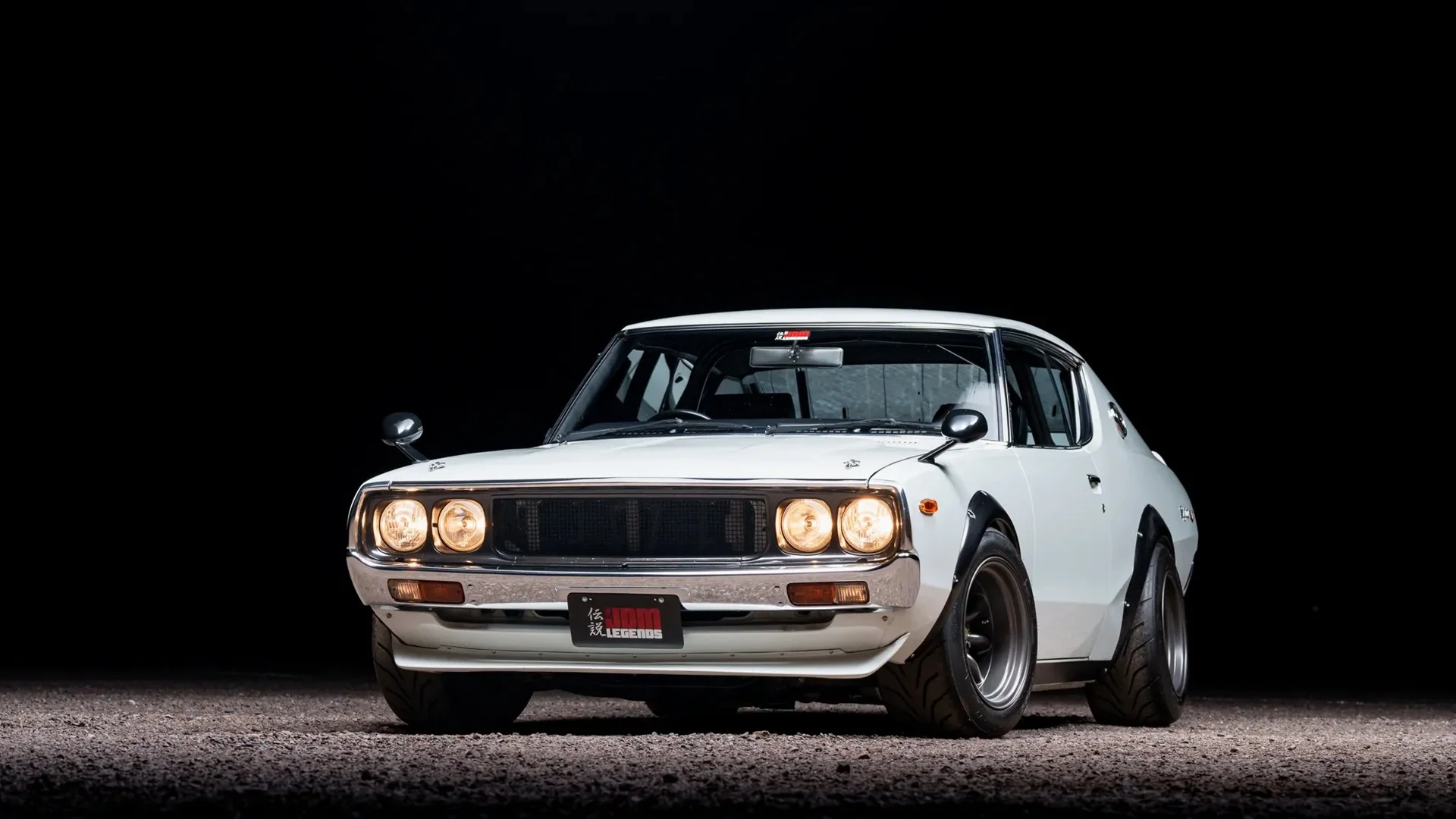
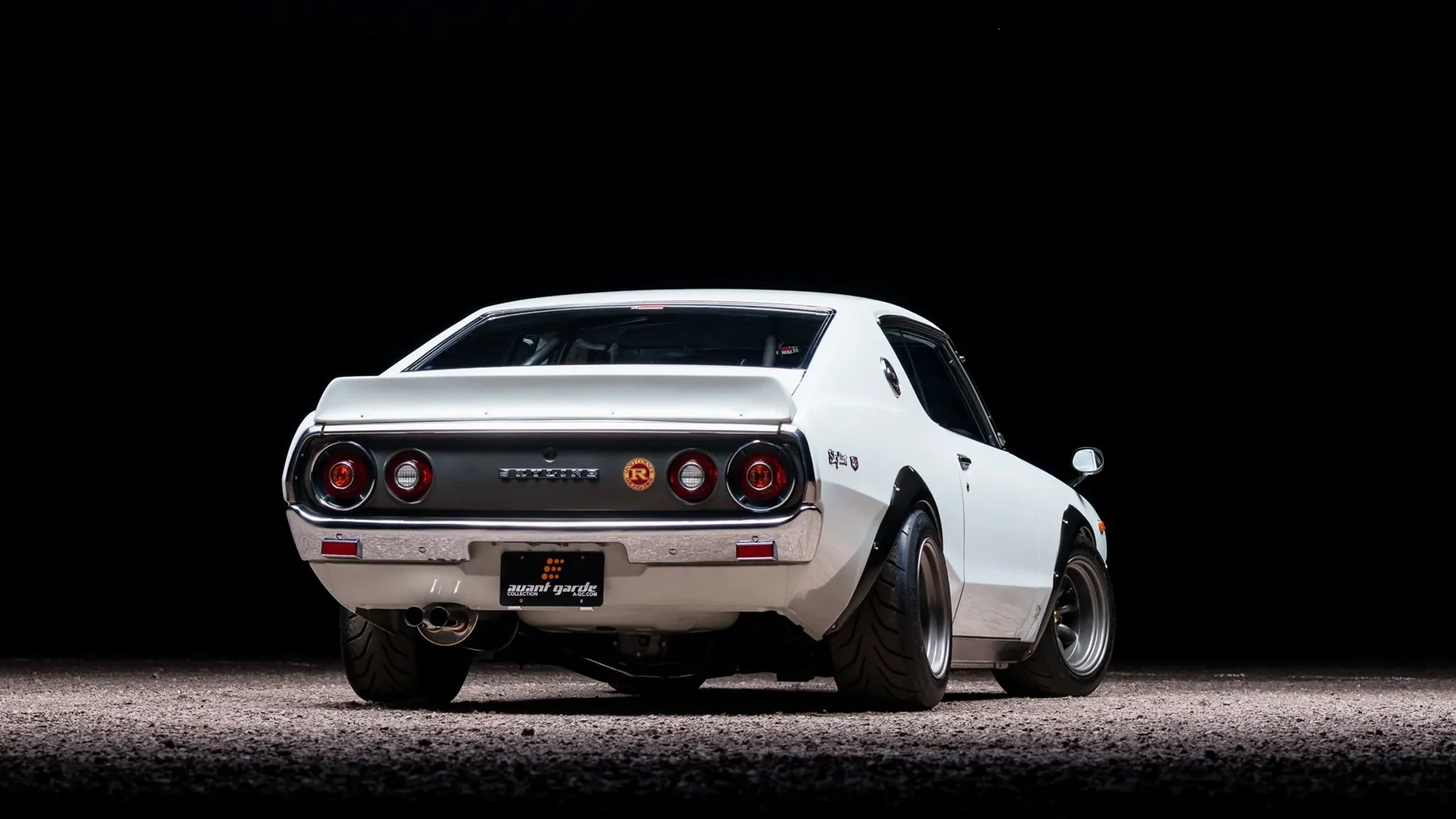
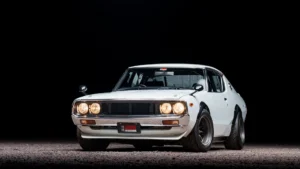
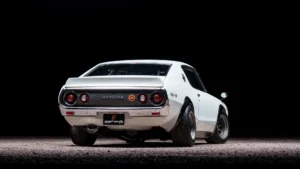
Following the Hakosuka’s incredible success, Nissan introduced the second-generation GT-R in 1973. Based on the C110 Skyline, this model was stylistically very different, adopting the popular “fastback” look of American muscle cars. It carried over the potent S20 engine from its predecessor and featured disc brakes on all four corners.
This generation is often nicknamed “Kenmeri” after a hugely popular series of commercials featuring a young couple named Ken and Mary enjoying their Skyline across Japan.
Unfortunately, the Kenmeri GT-R’s timing couldn’t have been worse. The 1973 global oil crisis hit just as it was launched, and the market for high-performance, gas-guzzling sports cars evaporated overnight. After a production run of just 197 units, the GT-R was discontinued. The legendary nameplate would go dormant, vanishing from the automotive world for 16 long years.
The Return of Godzilla: The R32 (1989-1994)
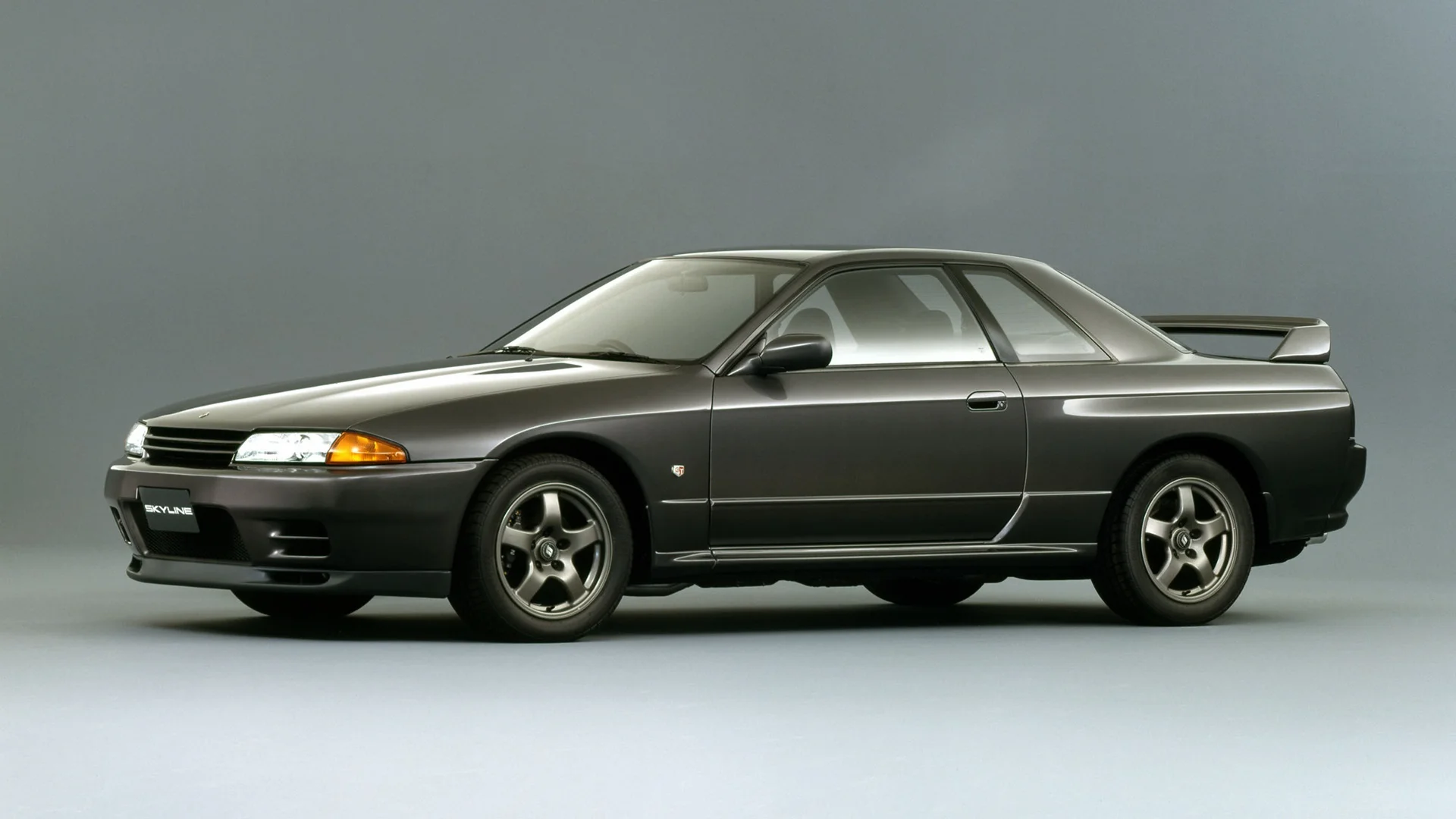
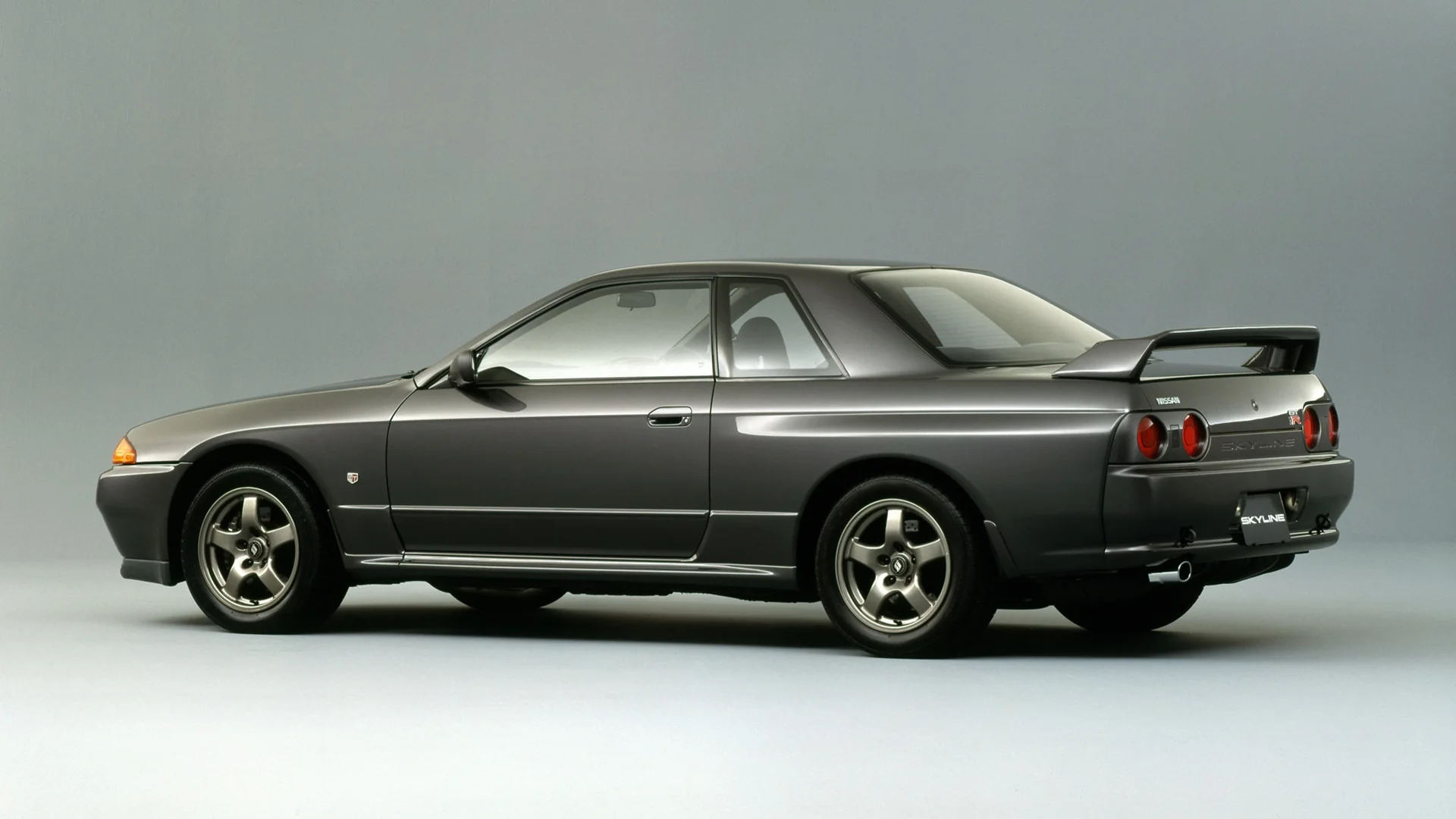
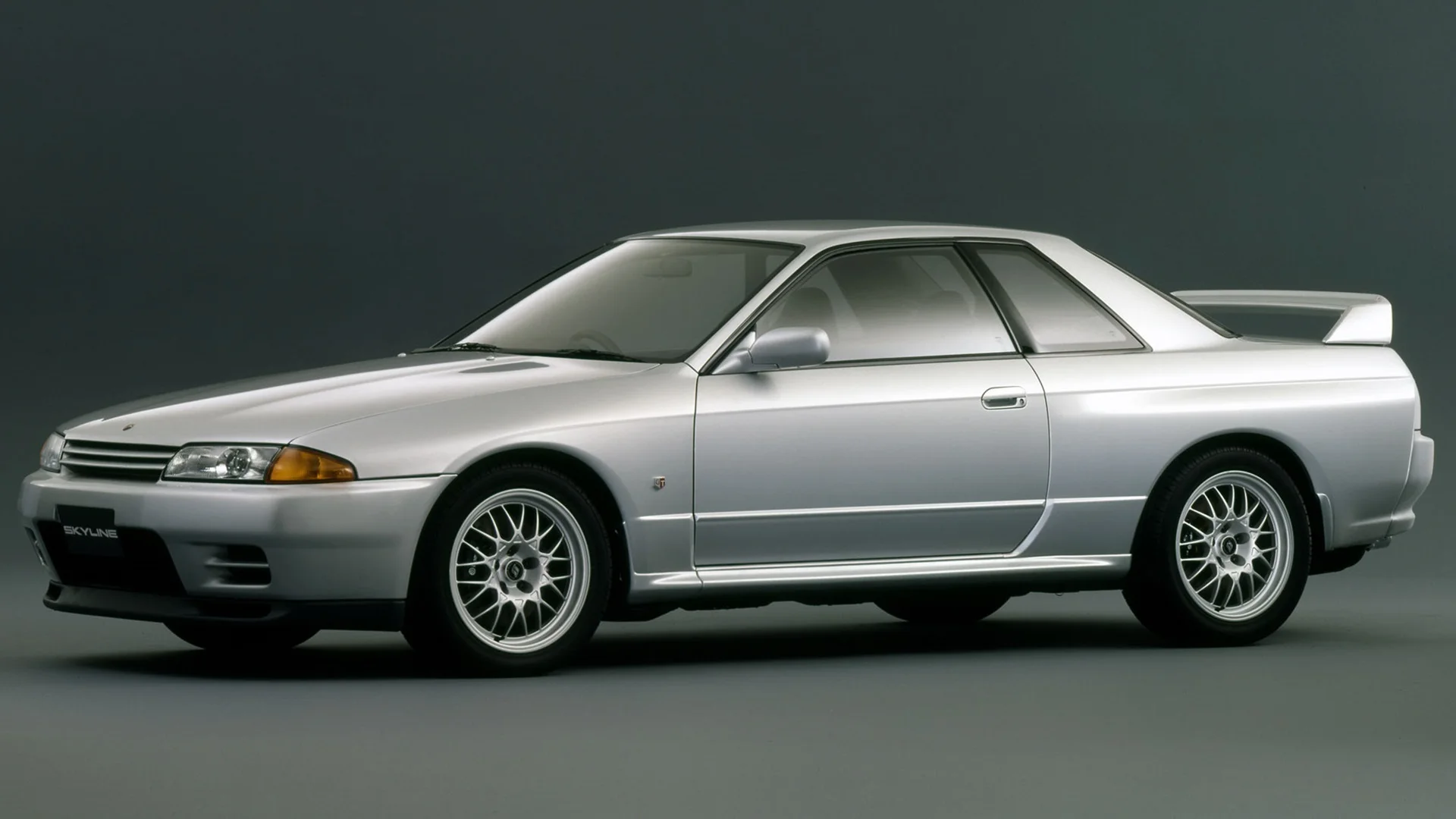
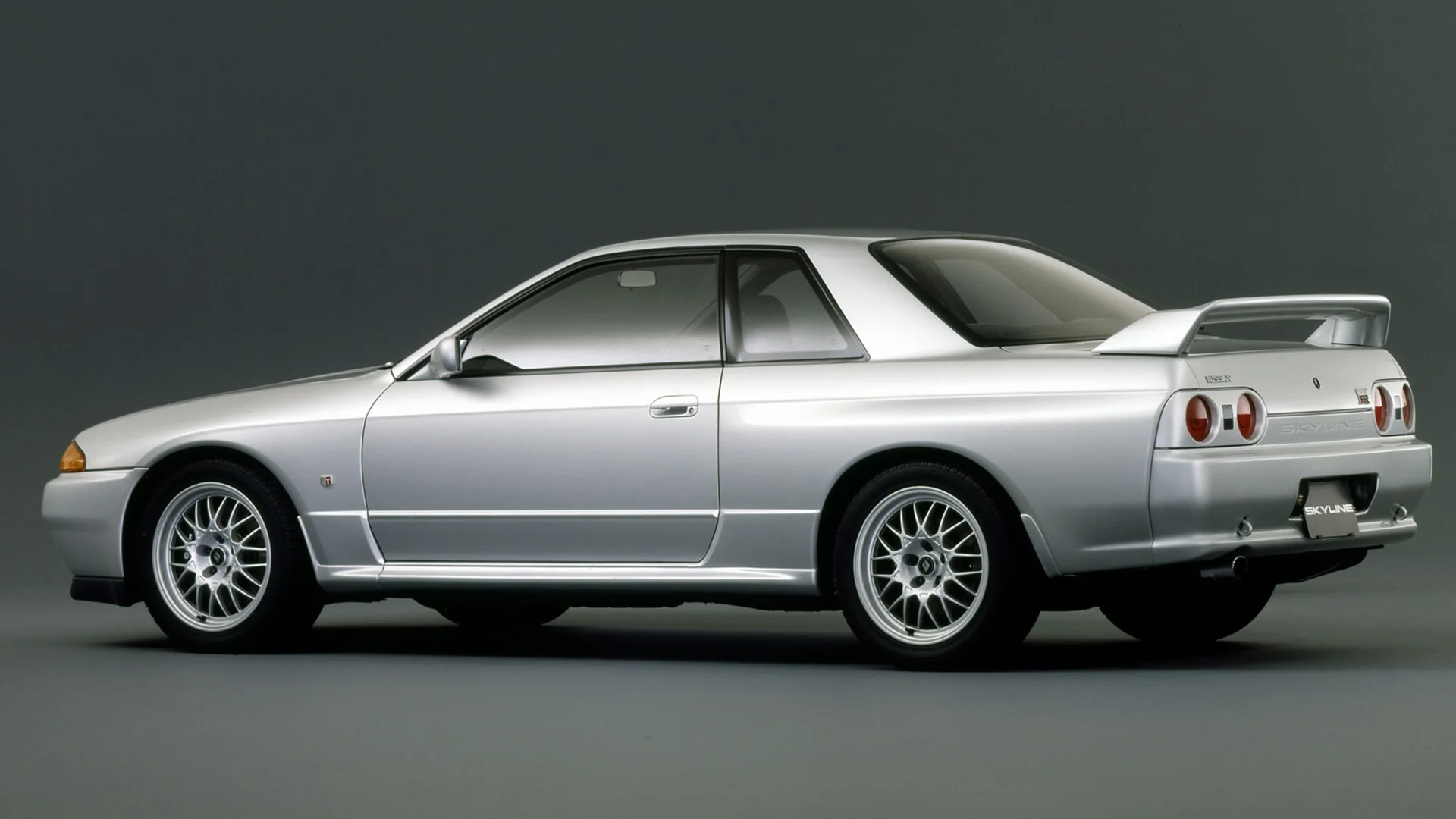
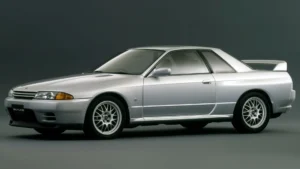
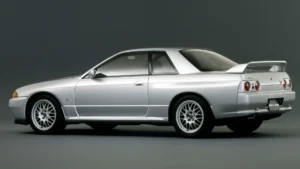
In 1989, the GT-R name returned with a fury that shook the performance car establishment to its core. The Nissan Skyline GT-R (R32) was not just a car; it was a technological masterpiece designed with one goal: to dominate Group A racing.
At its heart were two groundbreaking pieces of technology. The first was the RB26DETT engine, a 2.6-liter twin-turbocharged inline-six. Officially, it was rated at 276 horsepower due to a “gentleman’s agreement” among Japanese automakers not to exceed that figure. In reality, the engine was capable of much more and was built with such strength that it became a legend in the tuning community for its ability to handle immense power levels.
The second was the ATTESA E-TS, which was a revolutionary all-wheel-drive system that operated primarily as a rear-wheel-drive car for optimal handling but could electronically send up to 50% of the power to the front wheels when it detected slip. Combined with four-wheel steering, it gave the R32 an almost supernatural ability to grip the road.
The R32’s dominance was absolute. It won all 29 races of the Japanese Touring Car Championship it entered, sweeping the series for four consecutive years. Its most famous feat, however, occurred in Australia. When it competed in the Australian Touring Car Championship, it was so unbeatable that the Australian press nicknamed it “Godzilla,” a monster from Japan that came to destroy the competition. The name stuck, and the GT-R legend was reborn, bigger and badder than ever.
The Evolution: The R33 and R34
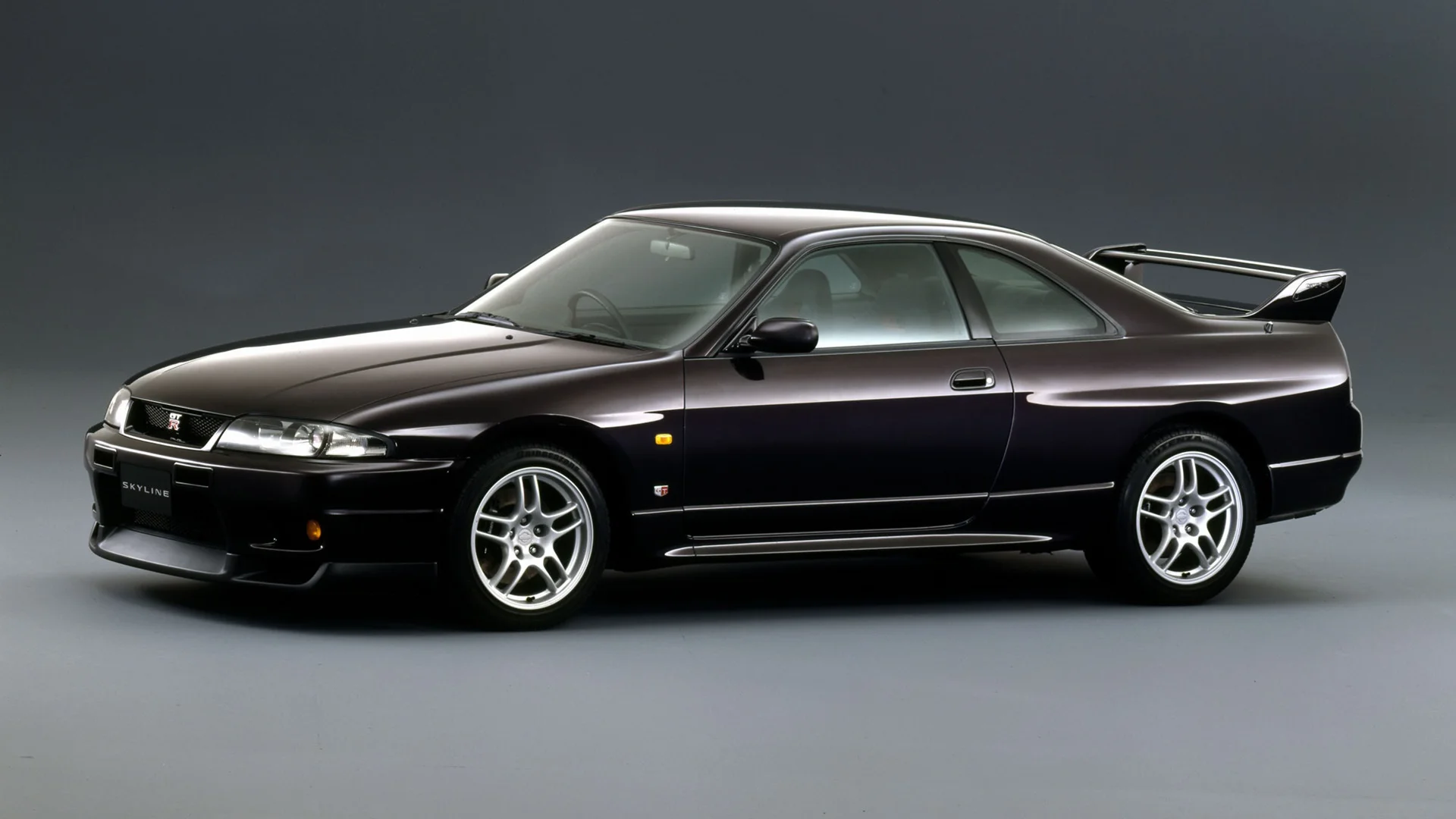
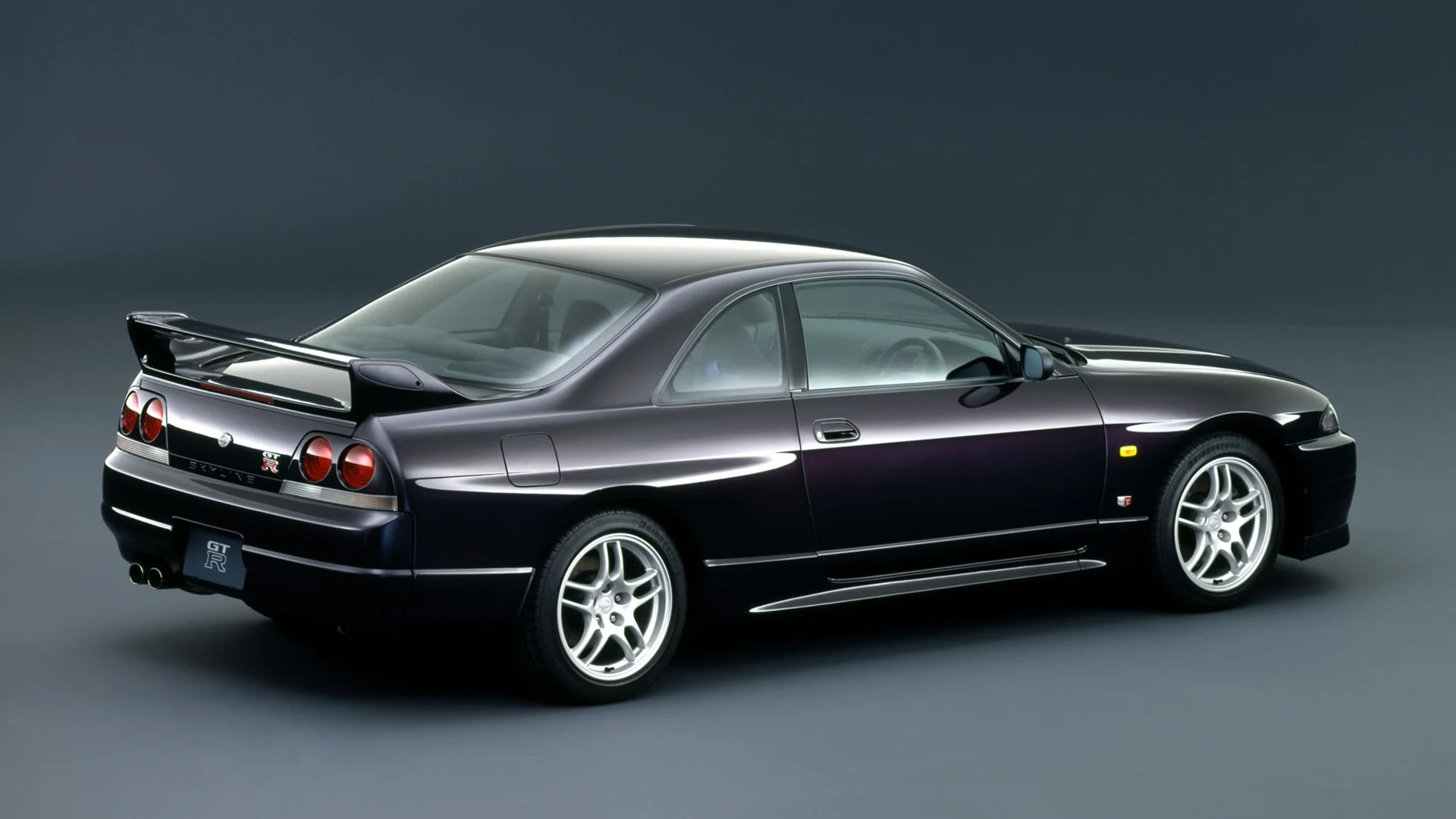
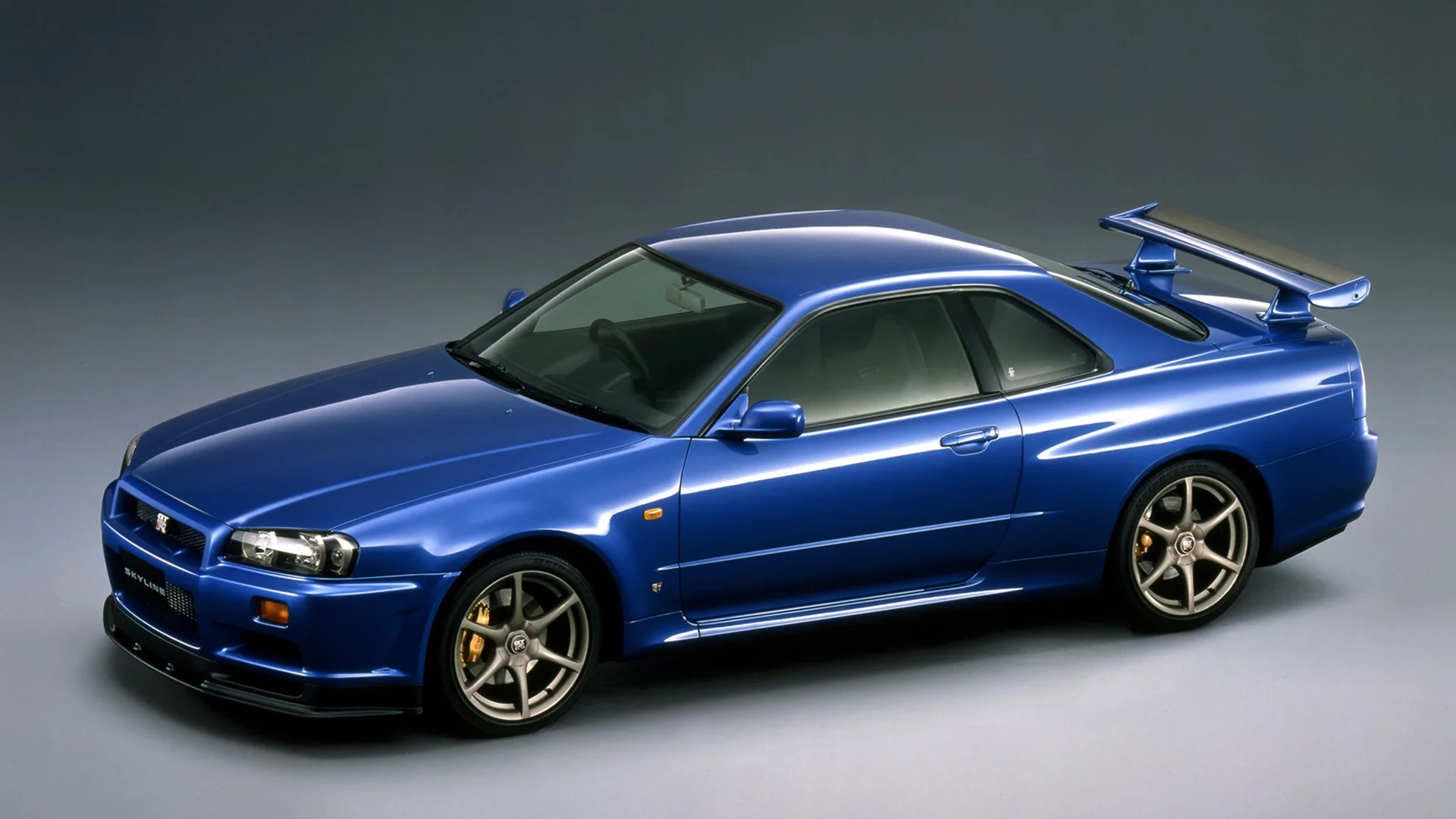
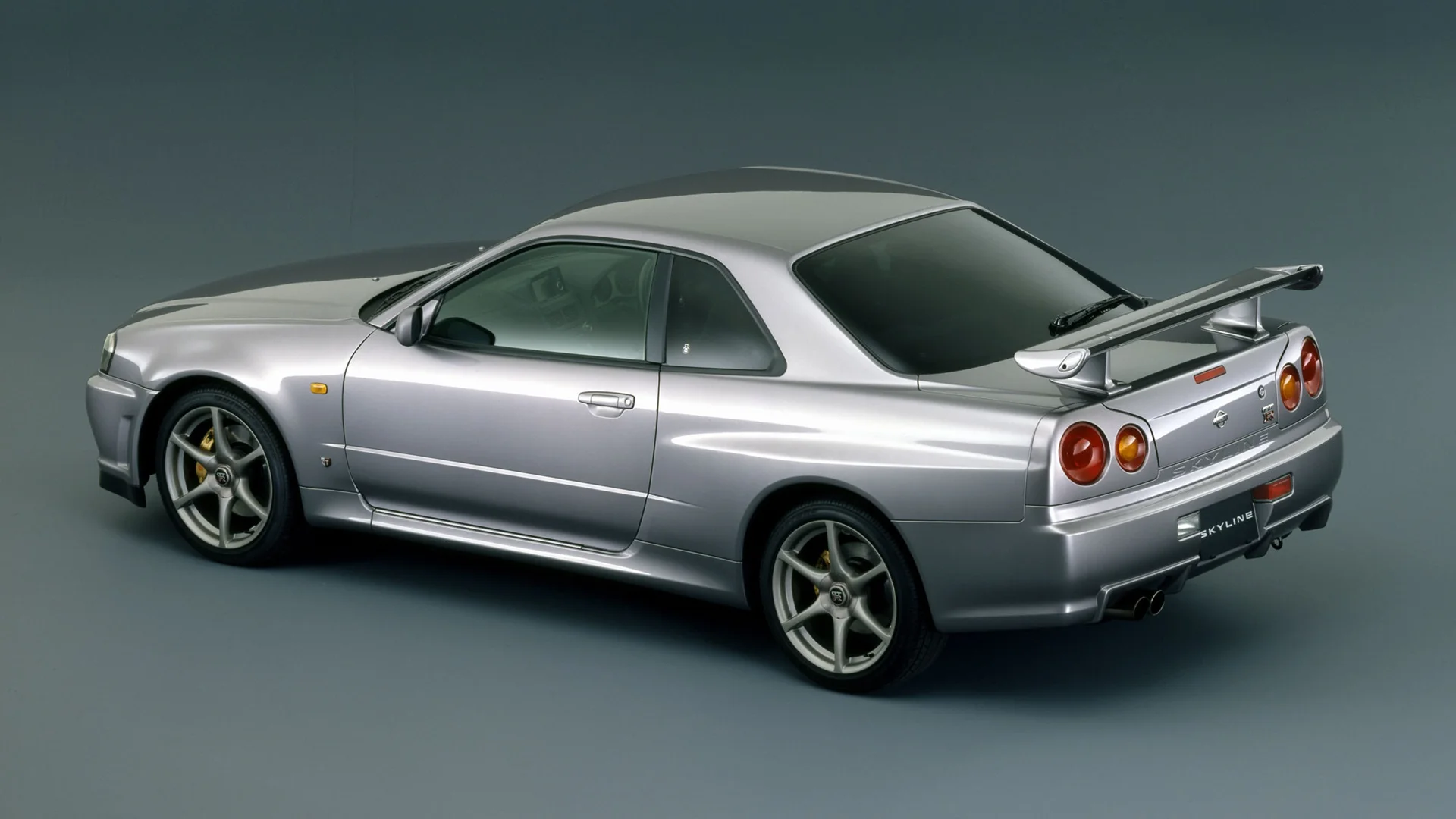
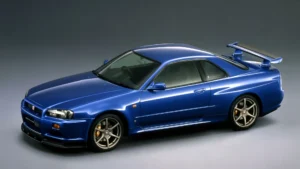
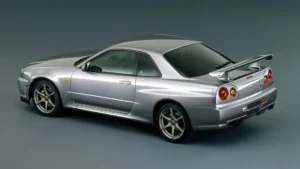
Nissan followed the R32’s success with two evolutionary models that refined the formula.
The Skyline GT-R (R33), launched in 1995, was a more mature and refined car. It was slightly larger and heavier than the R32, which drew some criticism, but Nissan’s engineers had improved nearly every aspect of the car. The RB26DETT engine remained, but with better turbochargers and intercooling. The ATTESA E-TS Pro system was introduced, adding an active limited-slip differential. The R33 was also the first production car to officially break the 8-minute barrier around the Nürburgring Nordschleife, proving its world-class performance credentials.
In 1999, the Skyline GT-R (R34) arrived. For many, this is the definitive GT-R. With a more aggressive, muscular design, a shorter wheelbase, and a host of technological upgrades, the R34 was the pinnacle of the Skyline GT-R lineage. Its iconic feature was the multi-function display (MFD) in the dashboard, designed by the creators of the Gran Turismo video game, which showed live data like turbo boost, G-forces, and lap times.
The R34 became a global pop culture icon, thanks in large part to its starring role in films like 2 Fast 2 Furious and video games. It represented the peak of the Japanese tuning scene and became the dream car for an entire generation of enthusiasts. Limited-run models like the V-Spec II Nür and the ultra-rare, NISMO-built Z-Tune are now among the most collectible Japanese cars in history.
A New Beginning: The R35 (2007-2025)
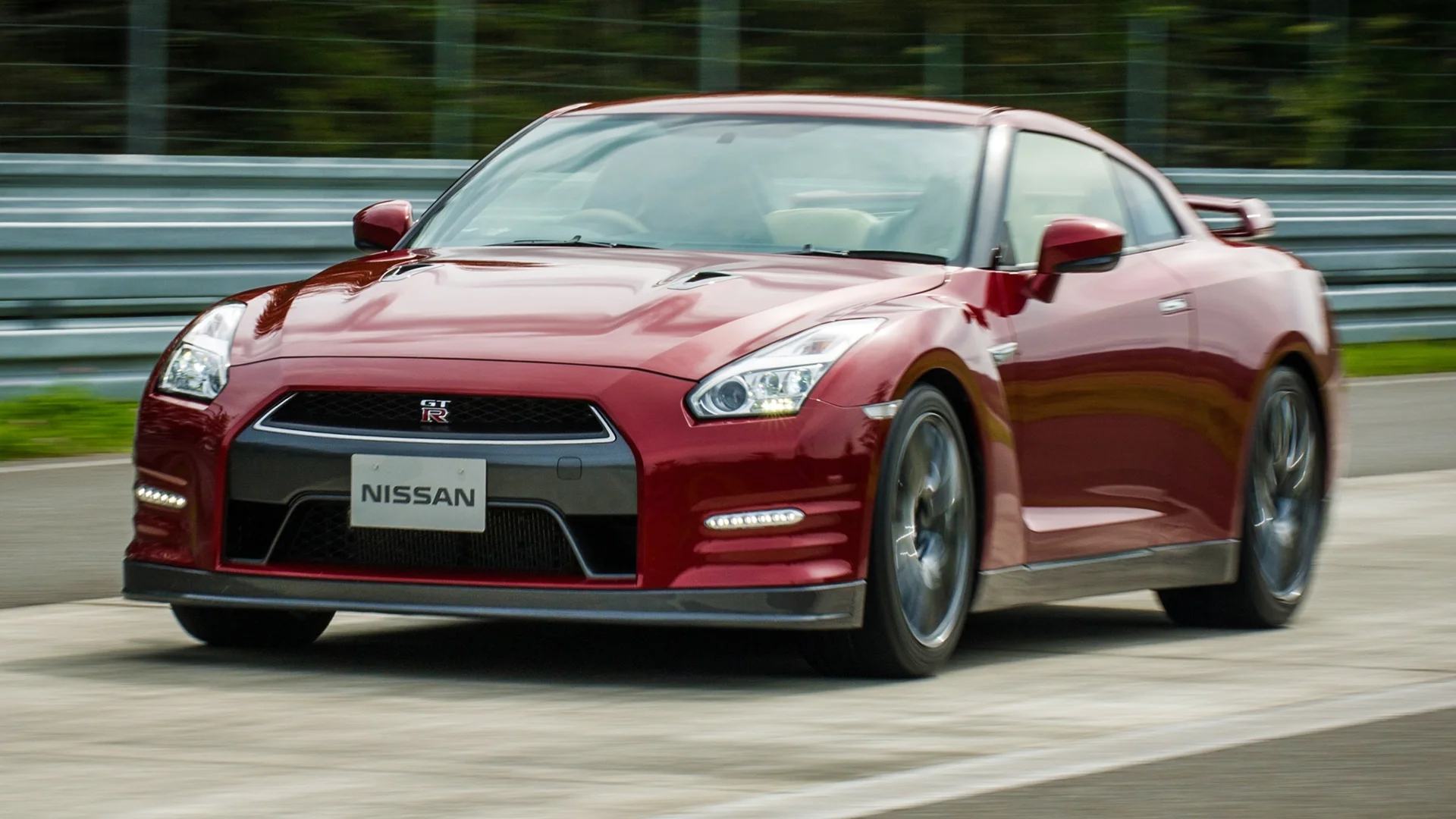
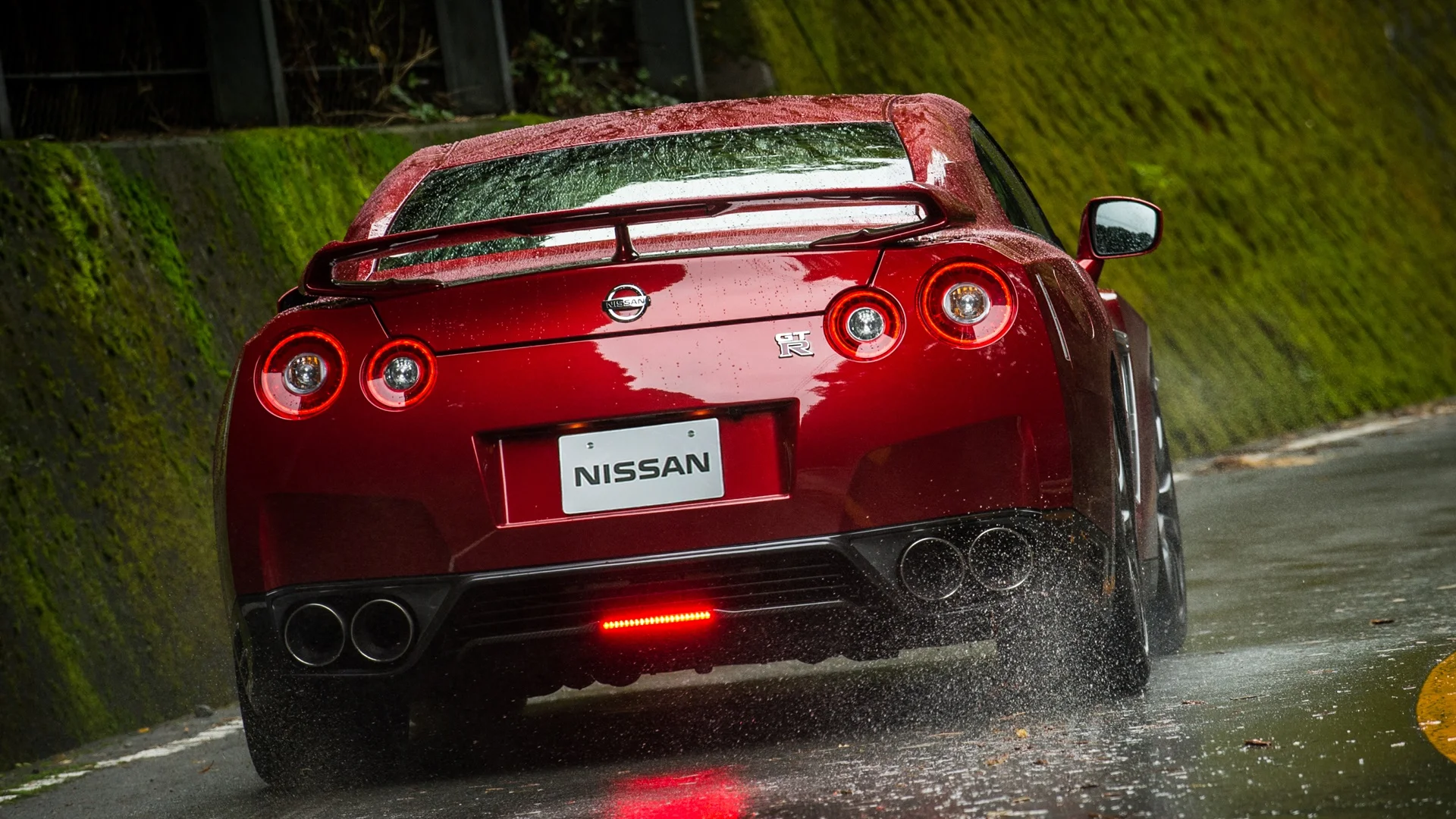
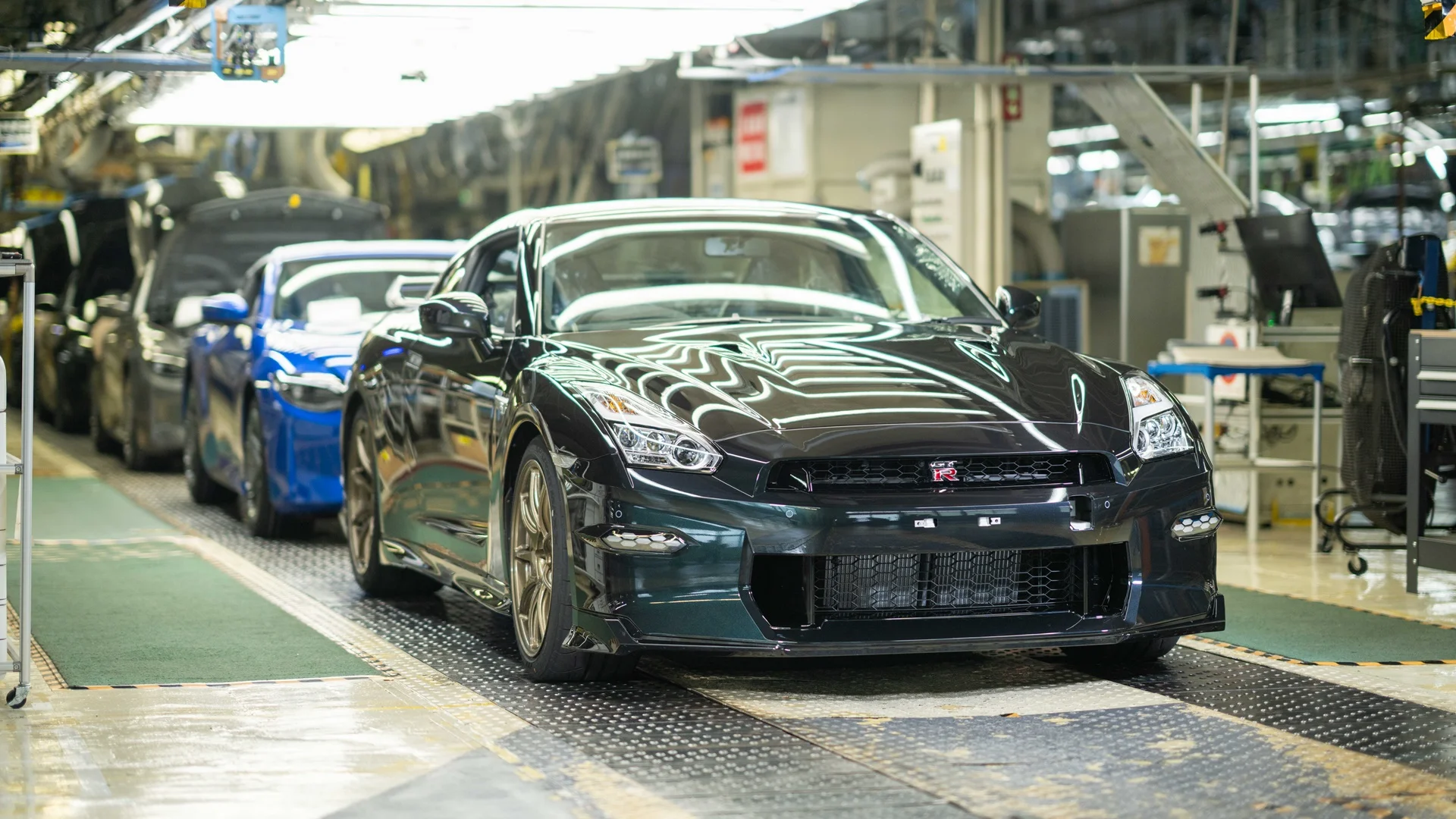
After the R34 ceased production in 2002, the world waited. In 2007, Nissan resurrected the GT-R once again, but this time with a major change: it was no longer a Skyline. The Nissan GT-R (R35) was a standalone model, a bespoke, world-beating supercar.
The R35 completely broke from tradition. The iconic RB26 inline-six was replaced by the VR38DETT, a 3.8-liter twin-turbocharged V6, with each engine hand-built by a single master craftsman, known as a Takumi, in a special clean room at Nissan’s Yokohama plant. The manual transmission was gone, replaced by a lightning-fast rear-mounted dual-clutch transaxle that helped give the car a near-perfect weight distribution.
When it launched, the R35’s performance was simply shocking. It could accelerate from 0-60 mph in under 3.5 seconds and posted a Nürburgring lap time that humiliated supercars costing two or three times as much. It was a brute-force marvel of engineering that democratized supercar performance. Over its incredibly long 17-year production run, Nissan relentlessly updated the R35, continuously adding more power, refining the transmission, and improving the aerodynamics. What started as a 480-horsepower giant-killer evolved into a 600-horsepower (in NISMO form) track weapon that could still hang with the best in the world.
The End of an Era and an Unwritten Future
In 2024, Nissan announced that the R35 GT-R would be discontinued in North America after the 2024 model year, with production in Japan set to cease in 2025. Stricter emissions and noise regulations worldwide signaled the end of its long and celebrated run.
The GT-R’s legacy is more than just lap times and horsepower figures. It’s a story of audacious engineering and the relentless pursuit of performance. It proved that a car didn’t need a European badge to be a supercar. From the Hakosuka that dominated its local racing scene to the R35 that put the entire world on notice, the GT-R has always been the underdog, the giant-killer, the Godzilla that came to play. As the combustion era draws to a close, the world watches and waits to see what form the monster will take next.
Why the GT-R Still Matters

The Nissan GT-R is more than just a fast car. It represents a philosophy: that engineering obsession can let a relatively affordable machine take on the world’s best.
- It showed that Japanese automakers could build world-class supercars.
- It proved that repeatable performance matters as much as raw numbers.
- It created a cultural bridge — from Japanese touring car races to Hollywood blockbusters.
Even in retirement, the R35 leaves behind a legacy that future GT-Rs will be measured against.


