

The Bugatti Veyron 16.4 wasn’t just a hypercar; it was a historical moment in automotive history. For a decade, it reigned supreme, shattering speed records and redefining the very meaning of luxury performance. But as the curtain began to close on this iconic machine, Bugatti chose a spectacular final act to mark its legacy: “Les Légendes de Bugatti” (Bugatti Legends) series.
This exclusive collection of six unique special editions, each limited to just three examples, paid a heartfelt tribute to the legendary figures who built the brand’s reputation. These were the names (the drivers, the designers, the family) whose passion for speed, engineering, and art defined Bugatti’s soul.
Based on the potent Veyron 16.4 Grand Sport Vitesse convertible, each Legend car commanded a price tag well into the millions and became an instant collector’s item. In total, only 18 of these rolling tributes were ever made, ensuring their place as the ultimate send-off to the car that changed everything.
We explore each of the six Bugatti Legends, uncovering the historical figure behind the name and the meticulous design details that connect a modern hypercar to its 100-year-old ancestry.
The Racing Drivers — Speed and Victory
The early days of Bugatti were written on the race tracks. The first half of the Legends series honors the heroes who brought the brand international glory.
1. Jean-Pierre Wimille: The Le Mans Champion
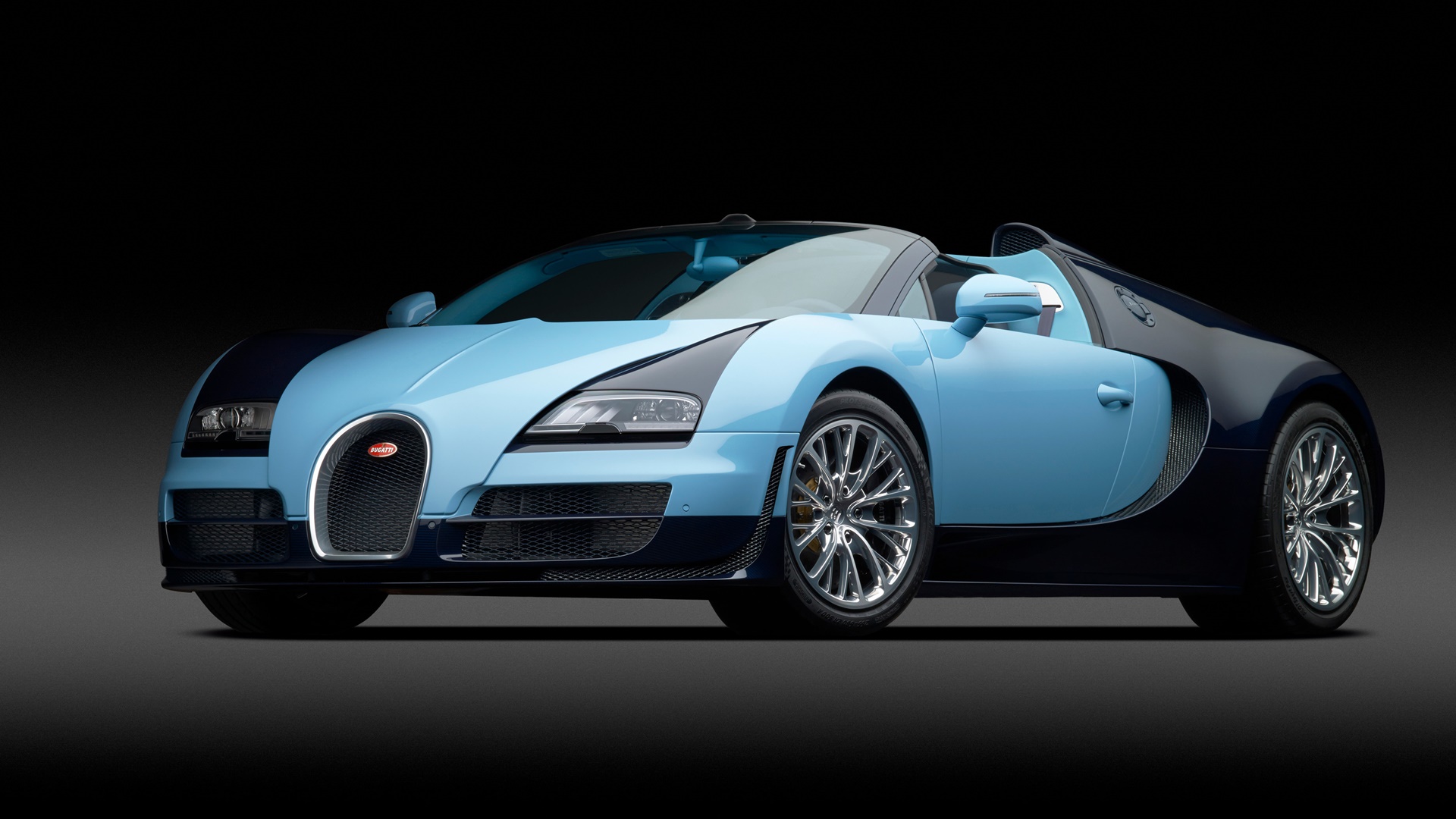
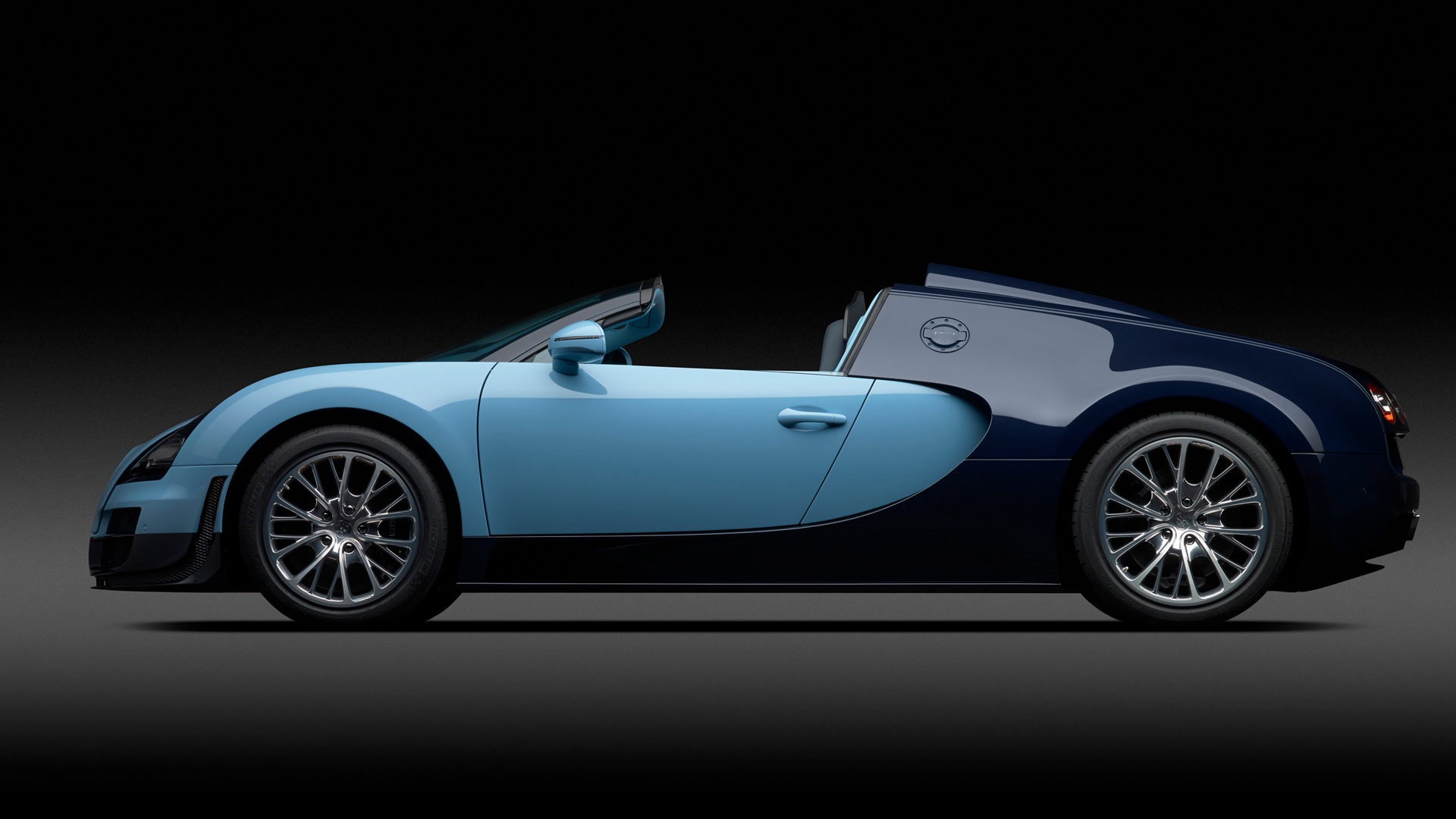
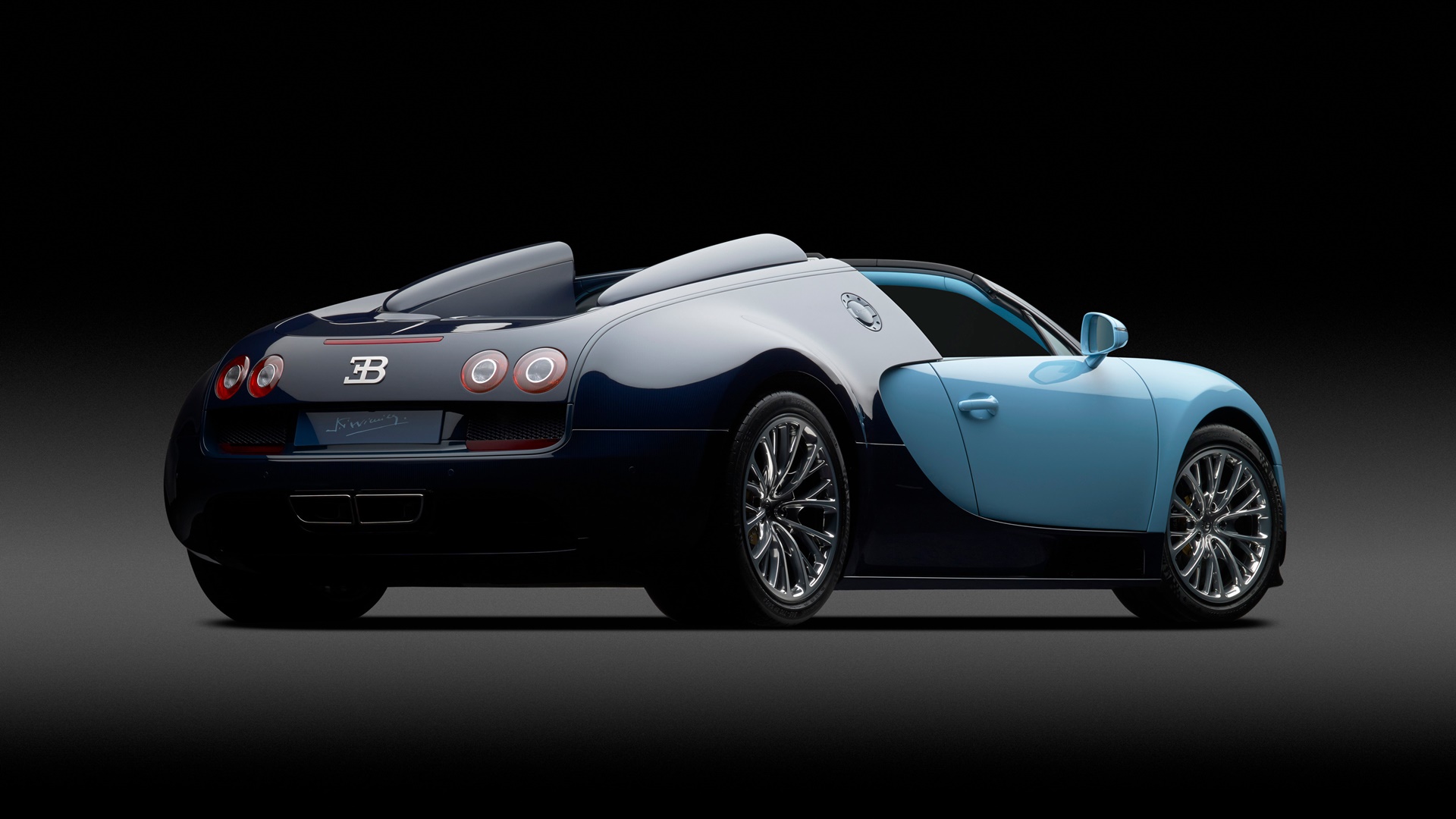
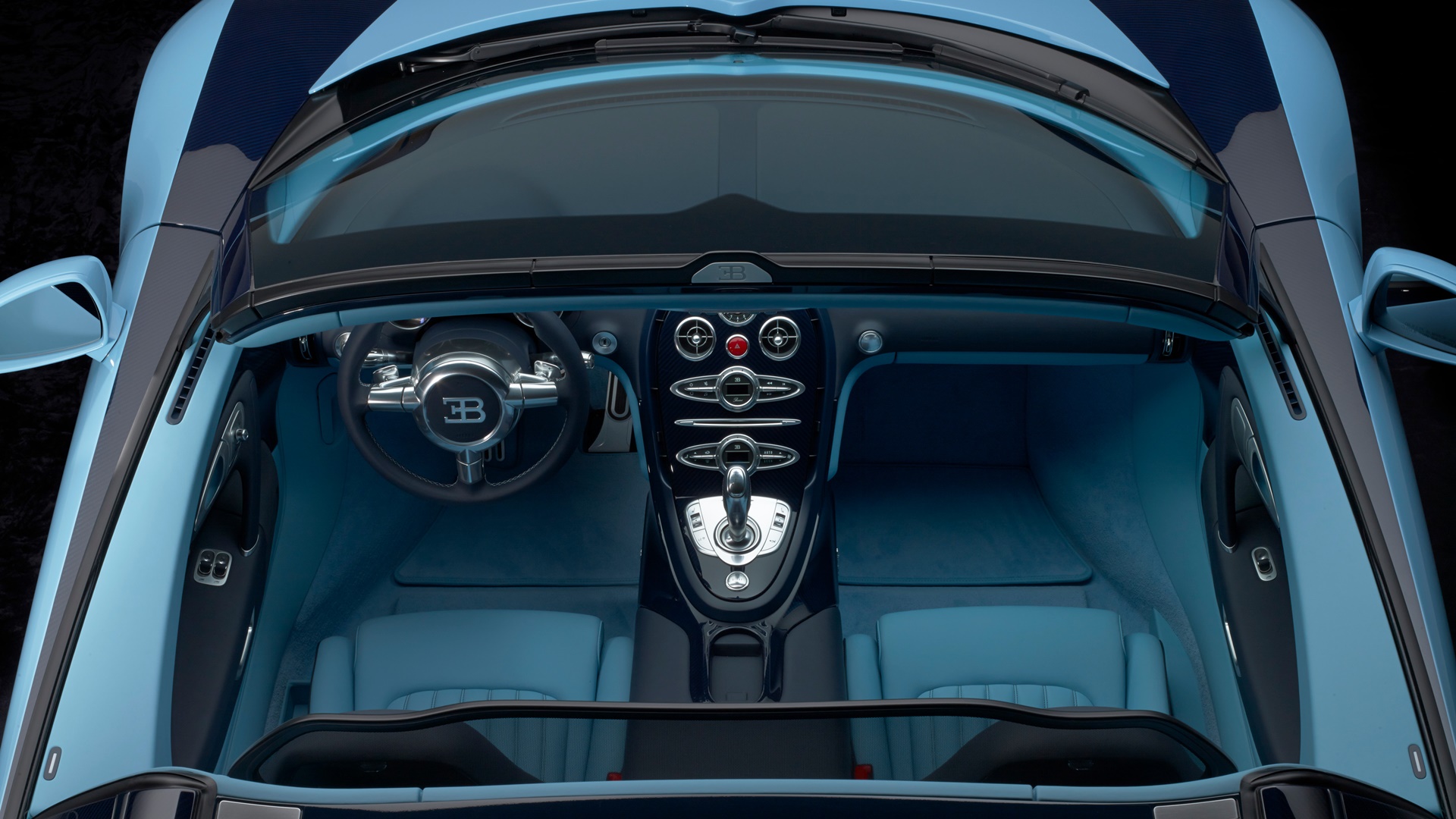
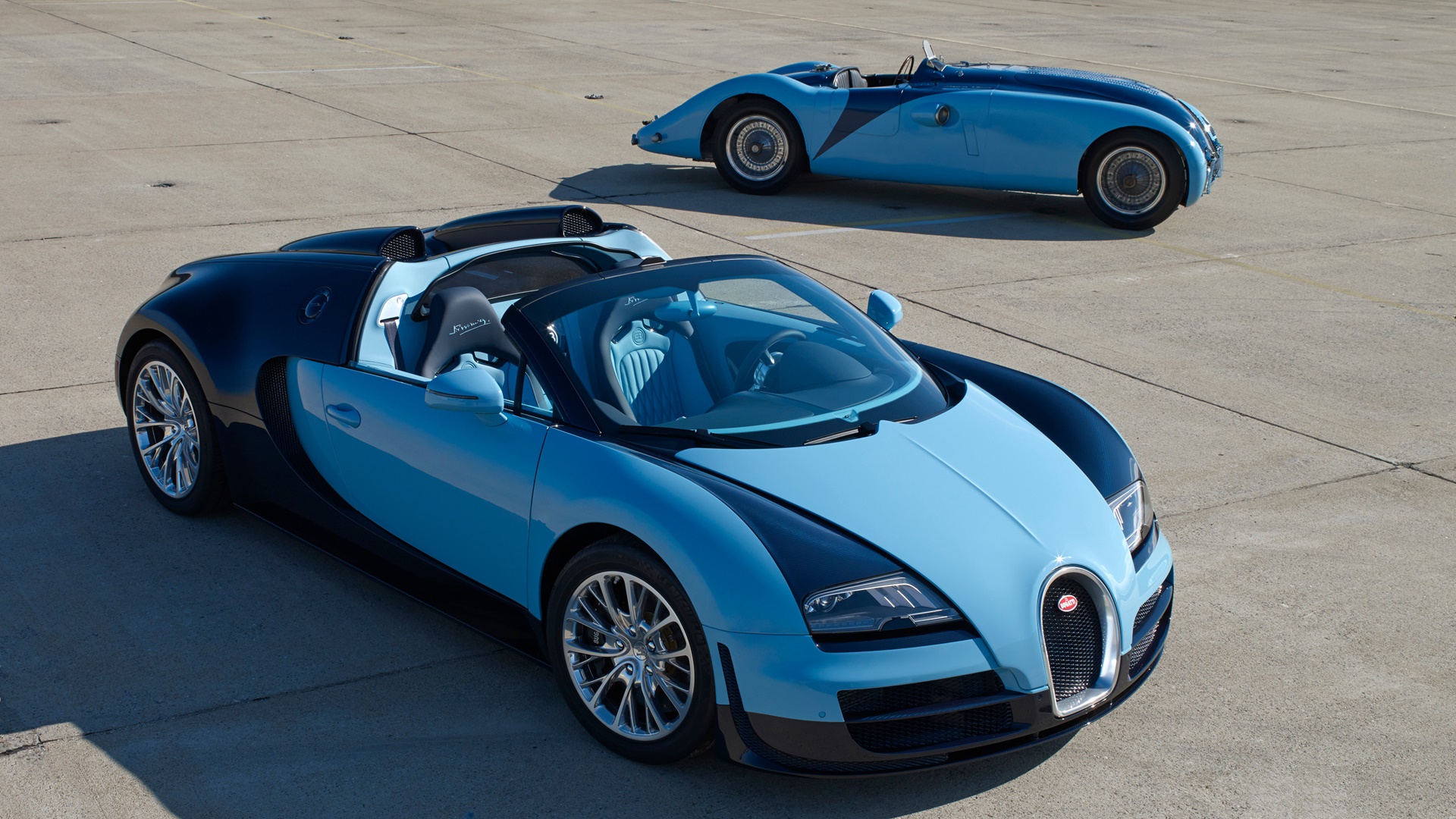





Jean-Pierre Wimille was one of Bugatti’s greatest factory drivers in the 1930s. He cemented his name in history by securing Bugatti’s first two victories at the prestigious 24 Hours of Le Mans, first in 1937 and again in 1939. His daring driving style and loyalty to the Molsheim brand made him a national hero.
This was the first model unveiled in the Legends series (August 2013), and Bugatti chose Wimille to immediately signal that the collection was about the brand’s deep-rooted racing DNA and history of victory.
Design Details:
The Vitesse takes its cues from the Bugatti Type 57G Tank, the aerodynamic machine Wimille drove in 1937. The exterior is finished in a beautiful two-tone scheme of exposed Blue Carbon Fibre and a lighter, vibrant paint known as “Bleu Wimille,” the iconic French racing color of the era.
Inside, the two-tone theme continues with light and dark blue upholstery. The most captivating detail? A stylized silhouette of the Le Mans race track is intricately embroidered onto the headrests and laser-etched into the central console and door sills, a permanent tribute to his greatest triumph.
2. Meo Costantini: The Strategist and Team Leader
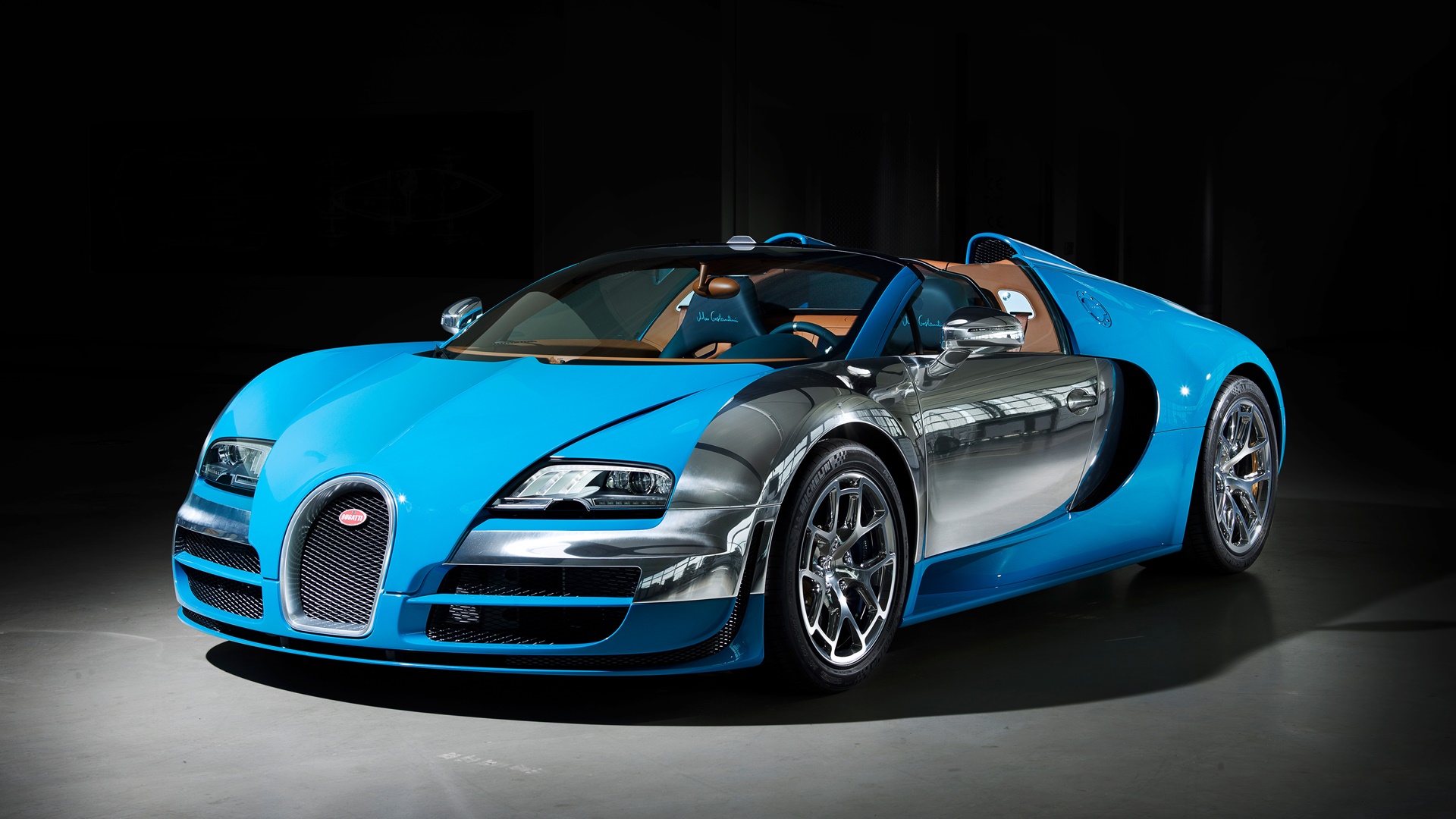
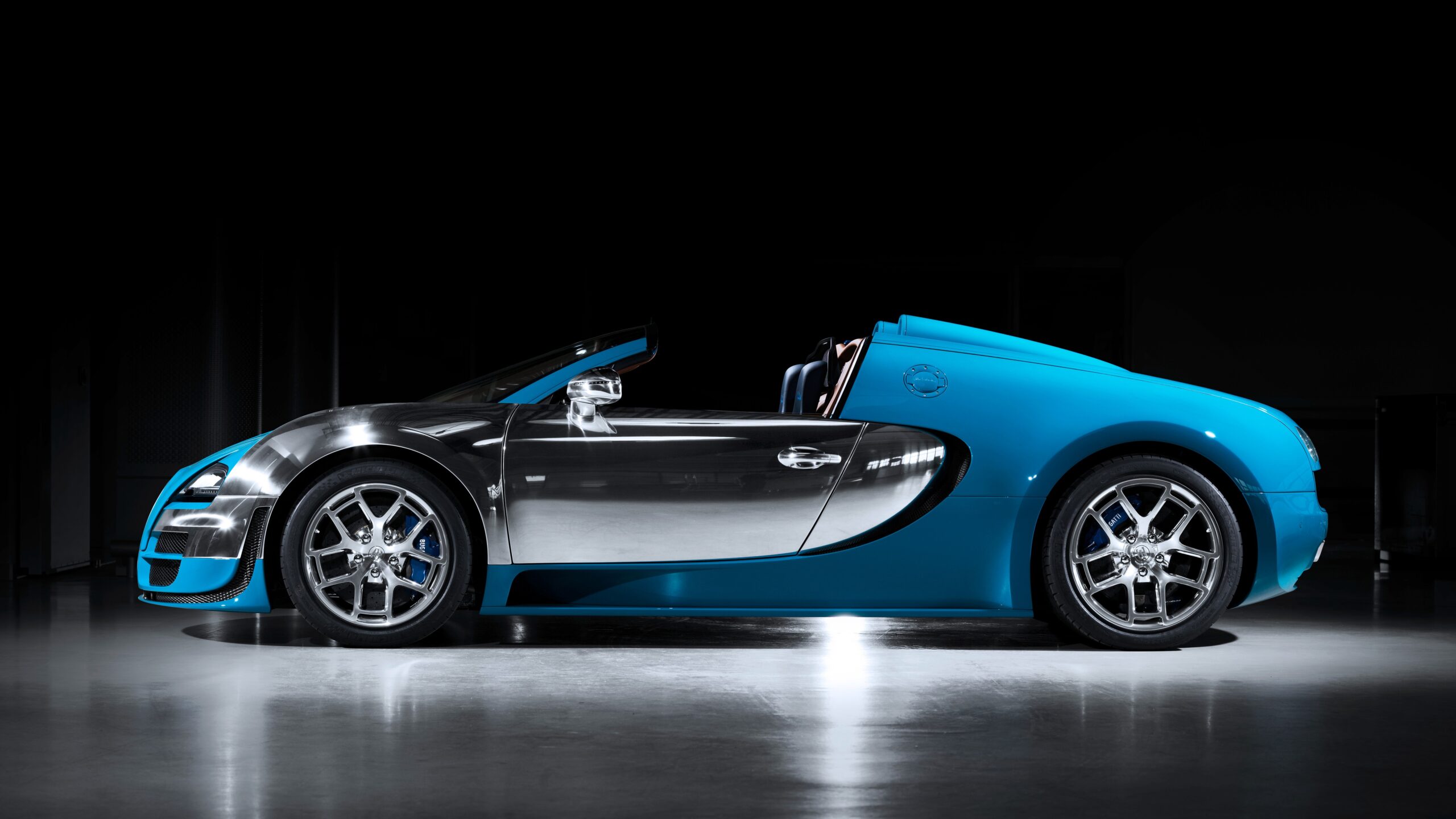
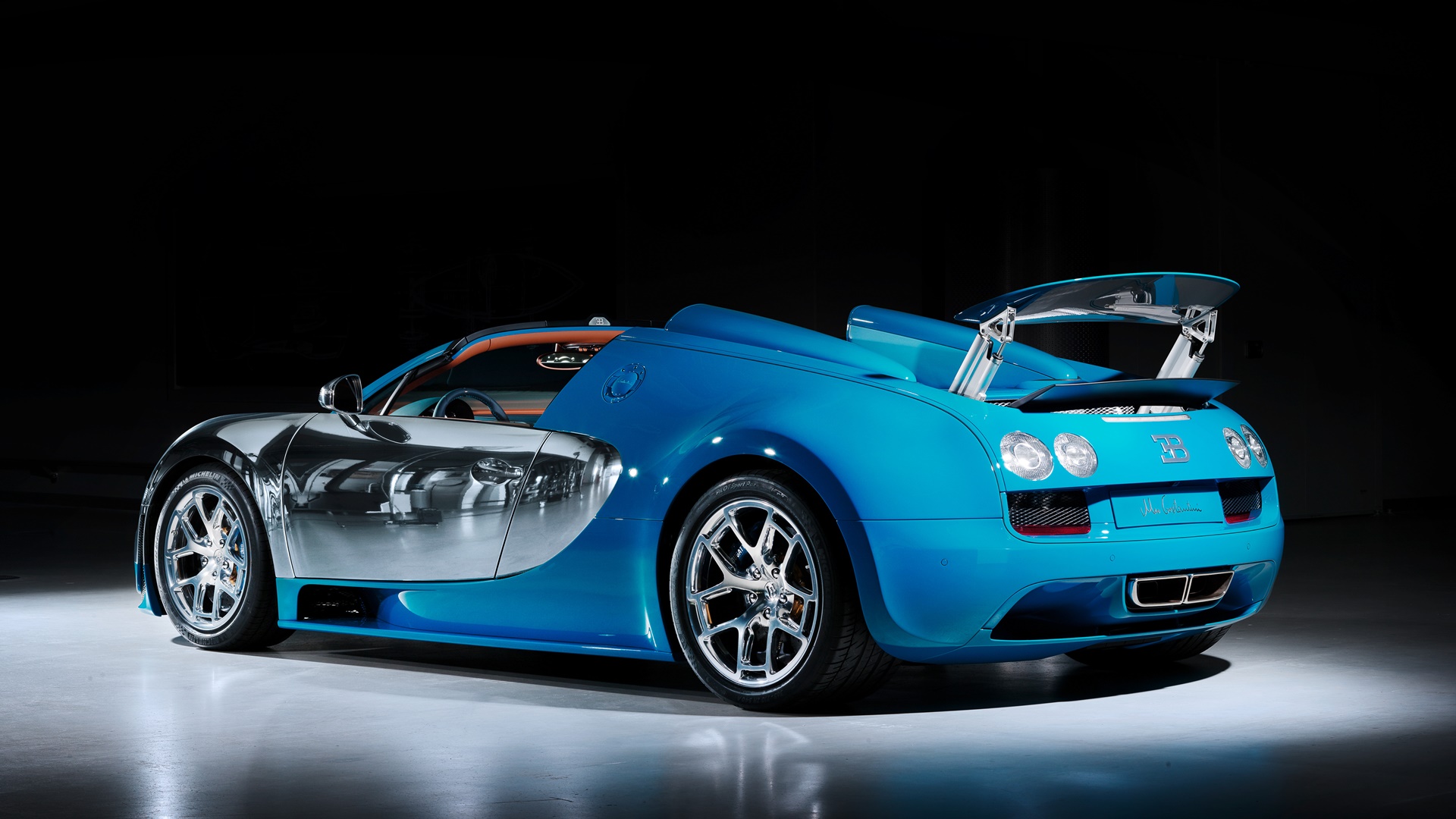
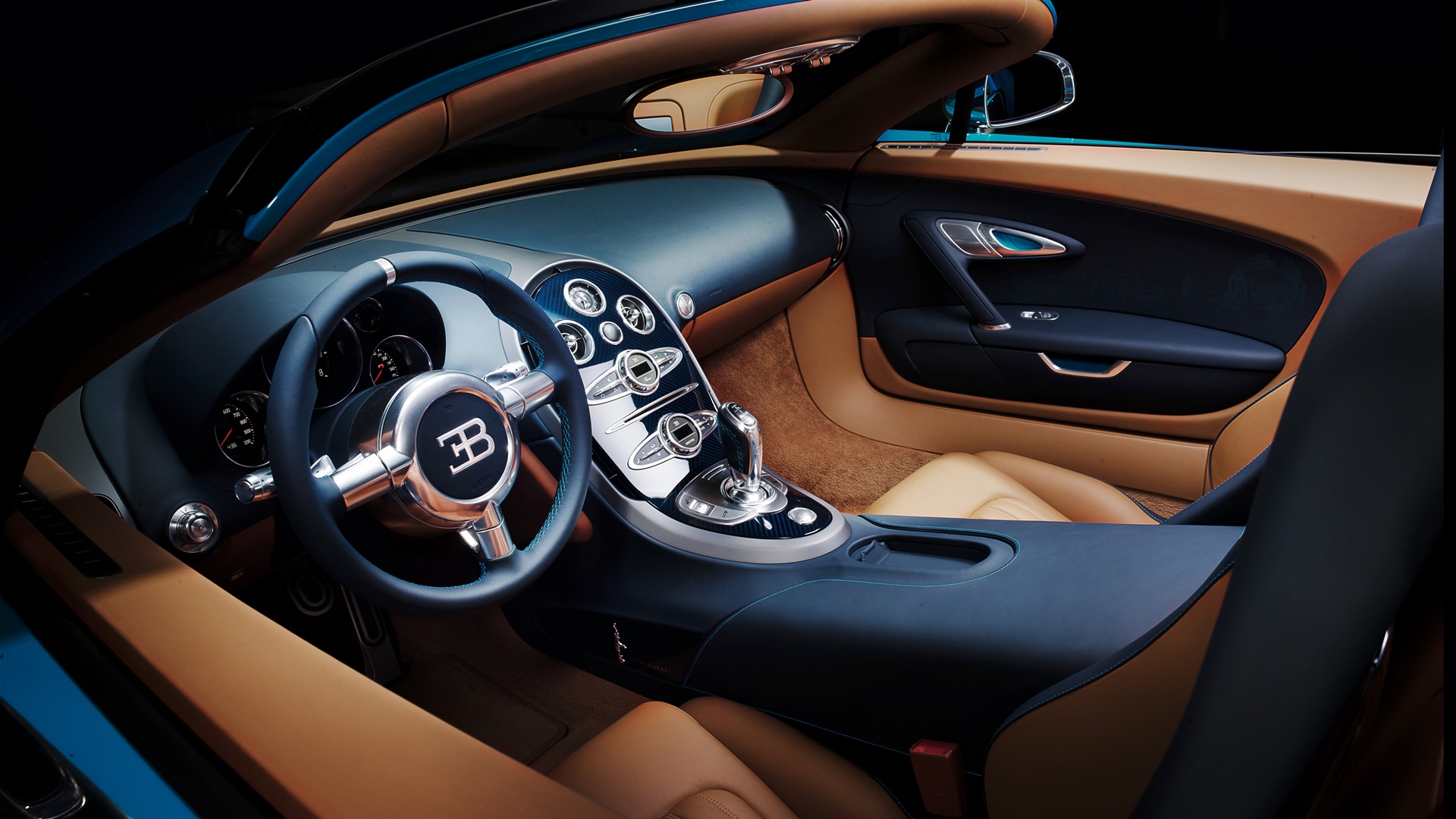
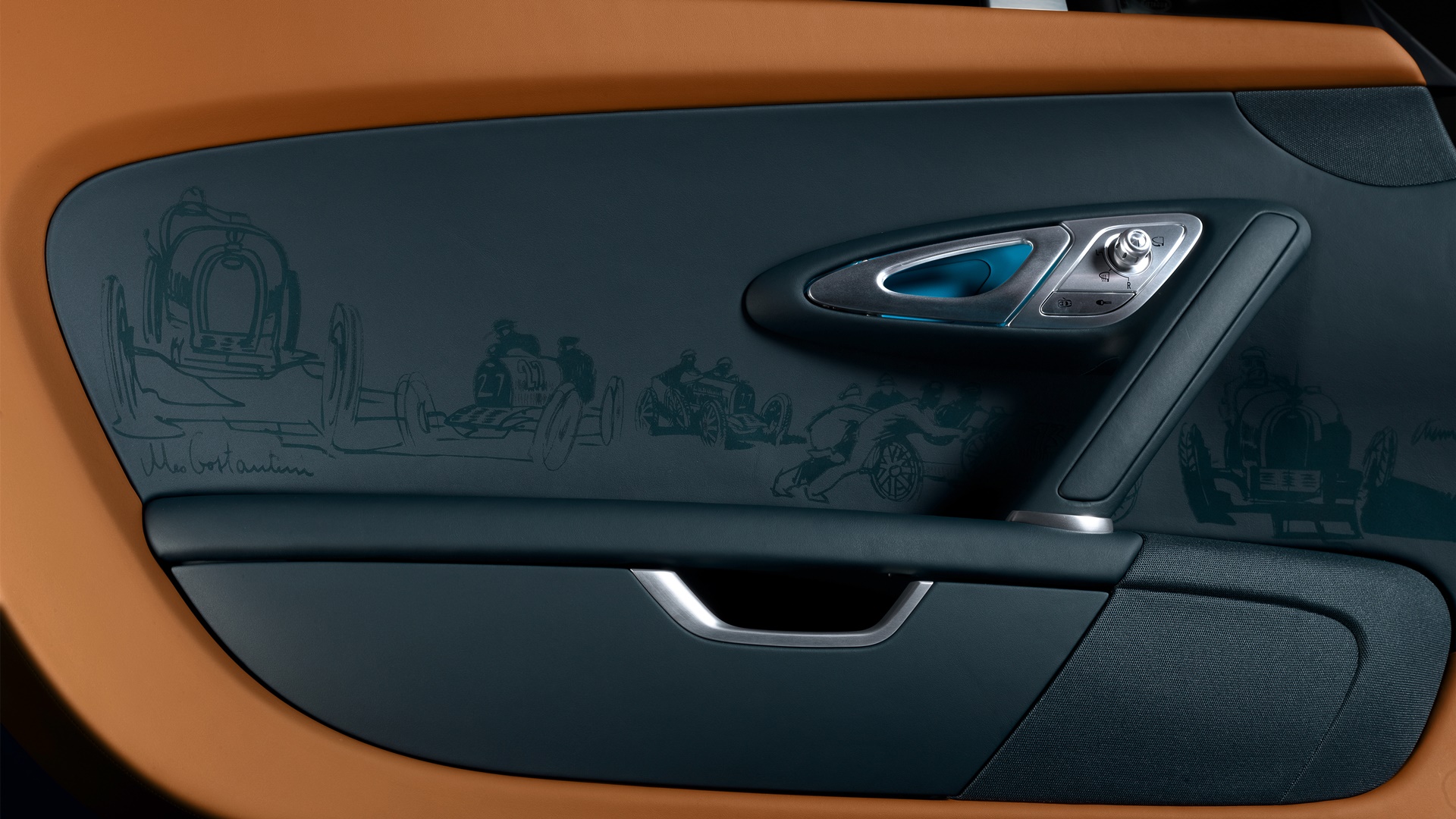
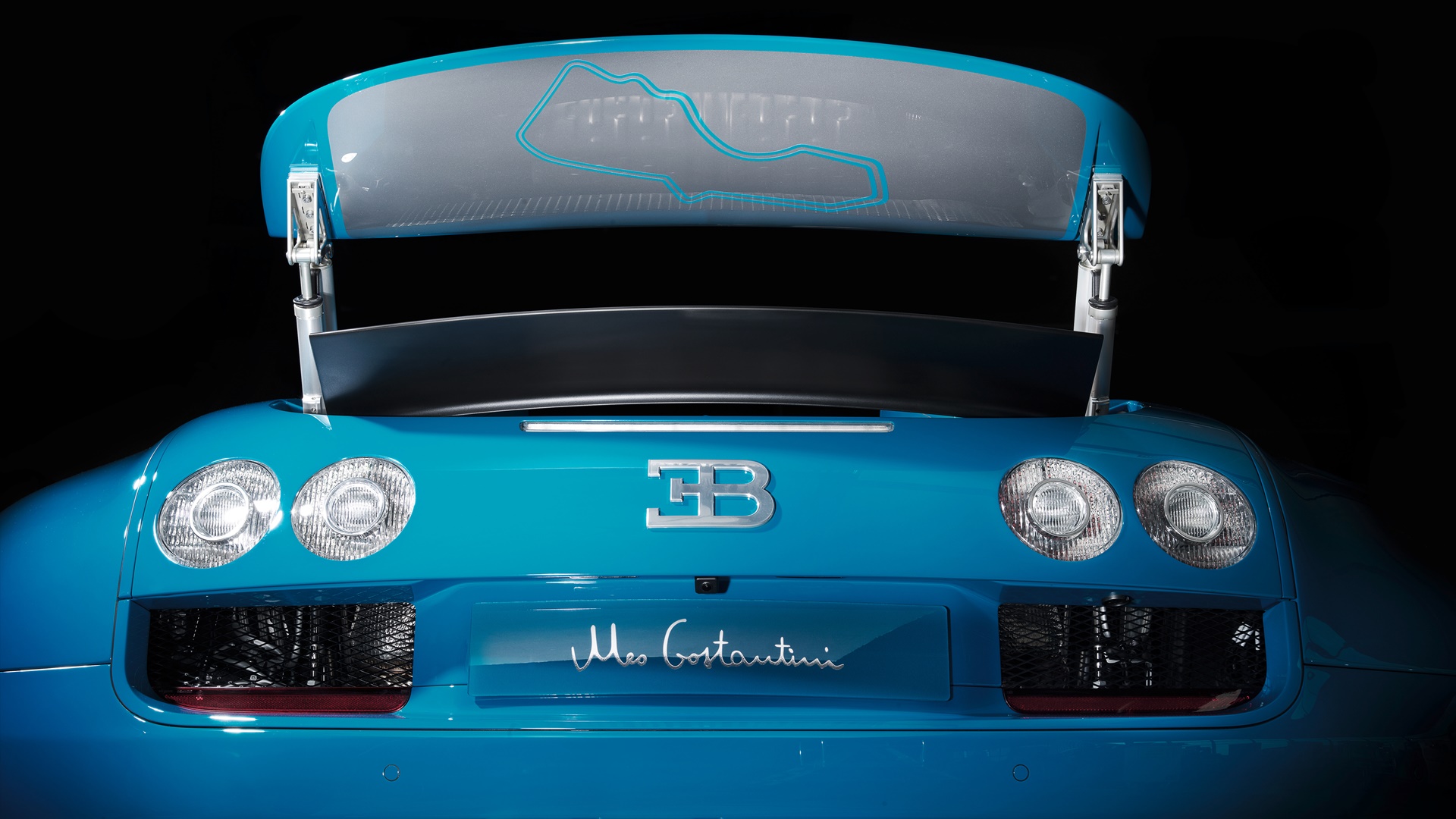






Bartolomeo “Meo” Costantini was a close confidant of Ettore Bugatti, an accomplished racer himself, and, crucially, the head of the Bugatti factory racing team during its golden age in the 1920s. Under his leadership, the legendary Bugatti Type 35 dominated circuits worldwide, including two back-to-back victories at the grueling Targa Florio race in Sicily.
Costantini’s role was essential in transforming Bugatti’s racing aspirations into reality. He embodied the strategic mind and practical spirit of the company’s early racing success.
Design Details:
This Legend is a homage to the Type 35 and the world of high-speed vintage racing. It features a striking combination of polished aluminum on the front wings and doors mimicking the natural metal finish of the Type 35 and a classic, deep “Bleu France” paint.
Inside, the cognac-colored leather interior evokes a vintage, luxurious feel. The highlight is the laser-etched door panel inserts, which depict a map of the Targa Florio circuit and Meo Costantini in action behind the wheel of his Type 35. This intricate detail literally puts the racing history inside the car.
3. “Black Bess”: The First Supercar
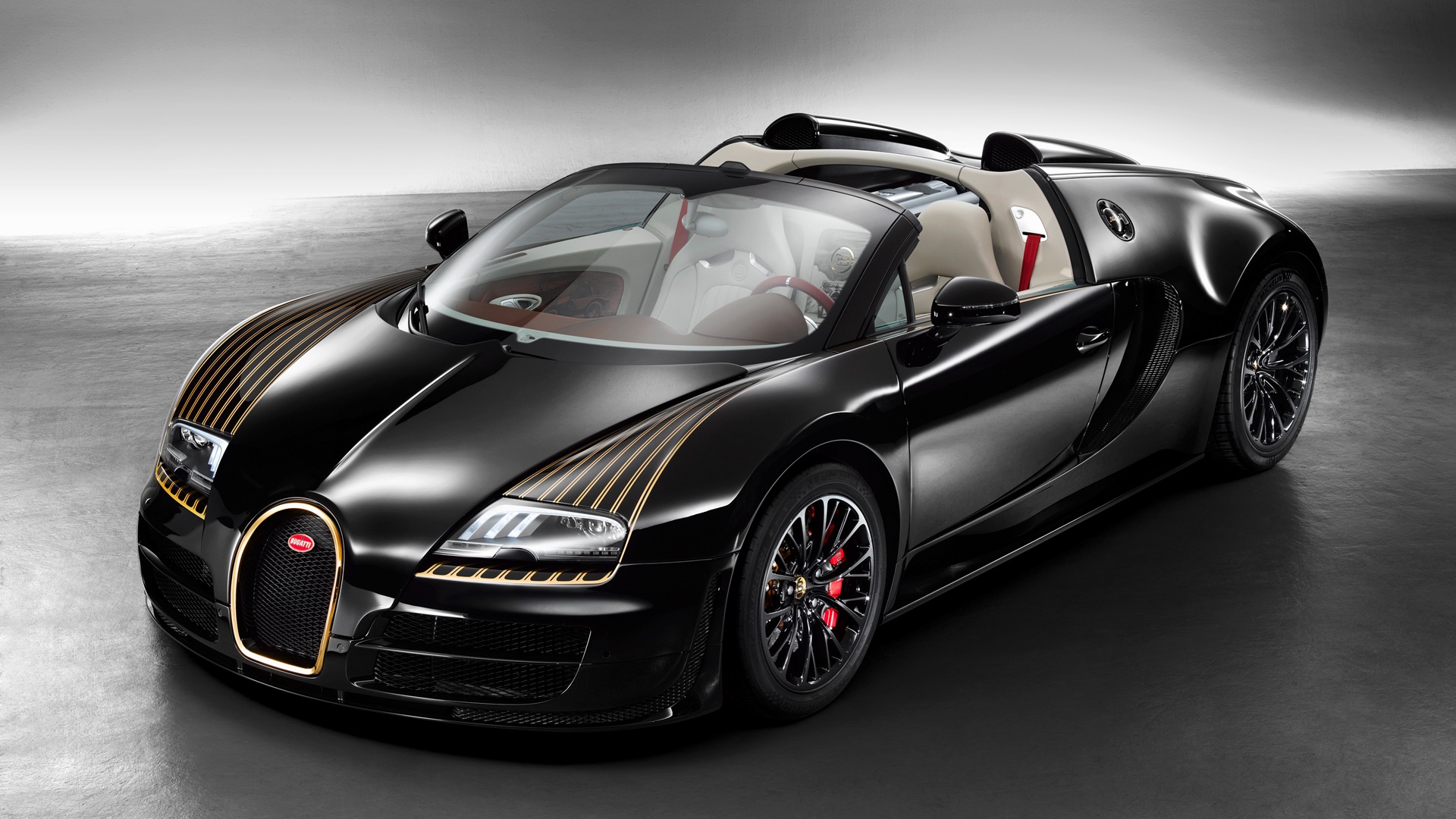
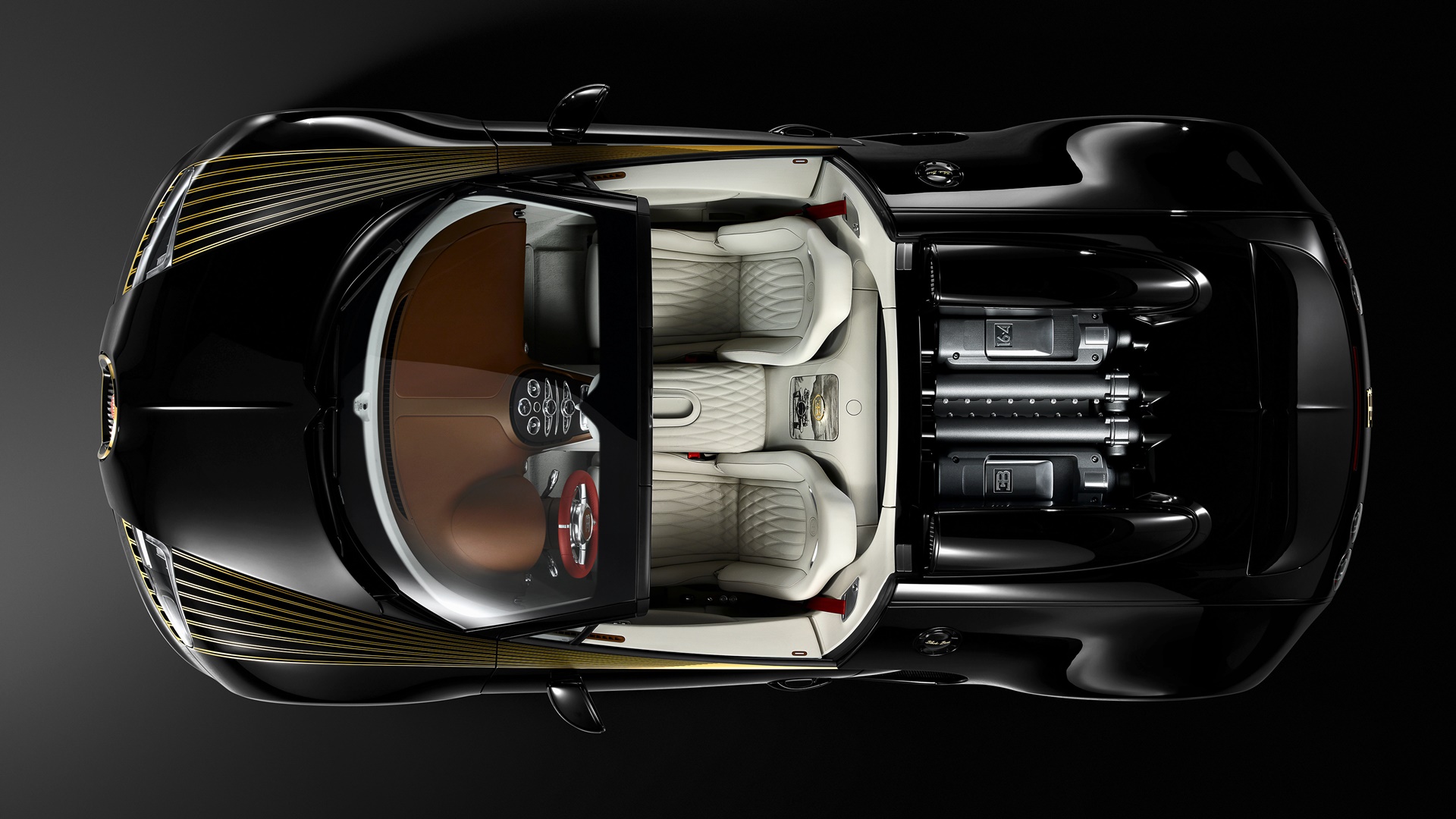
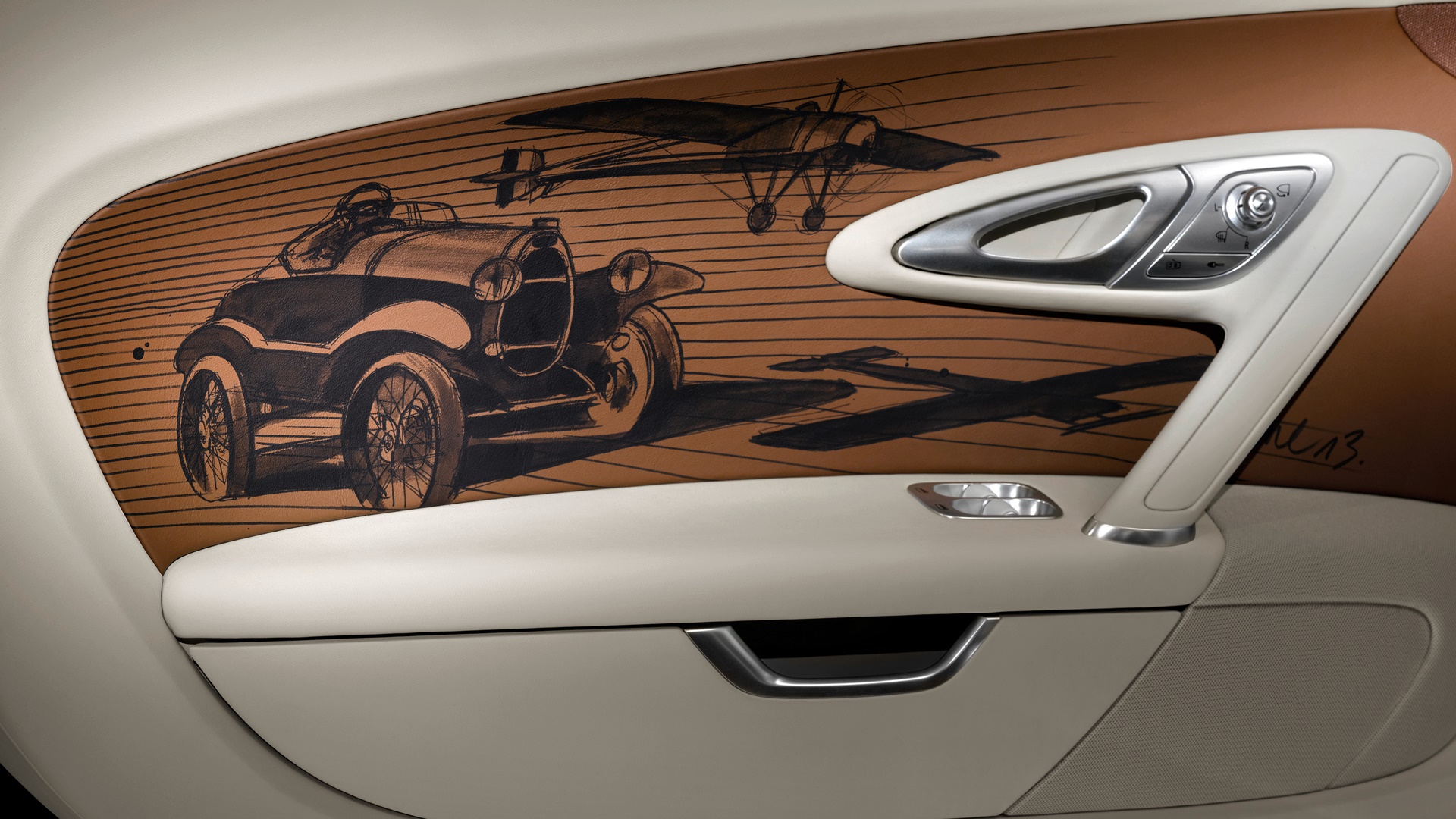
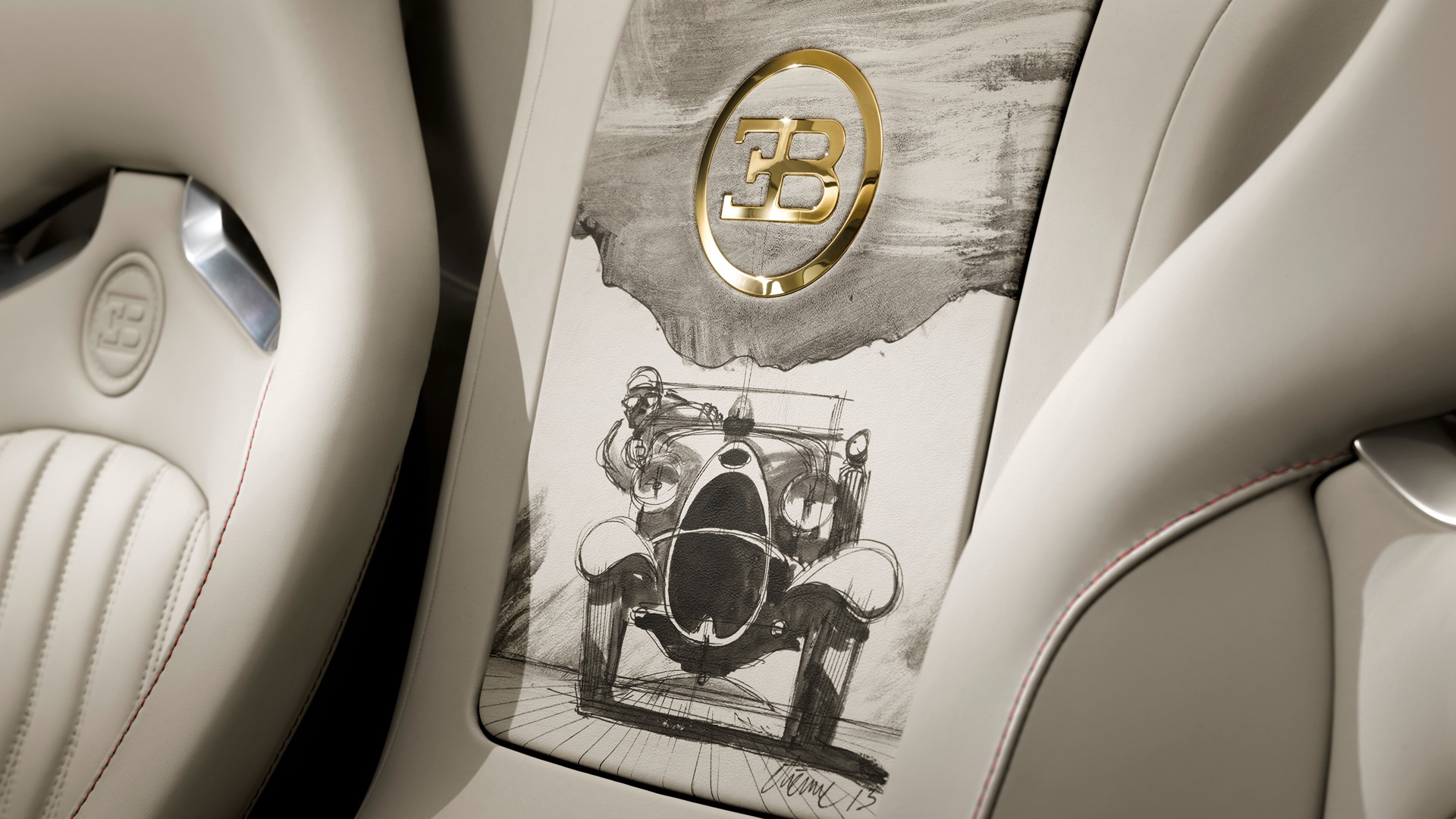
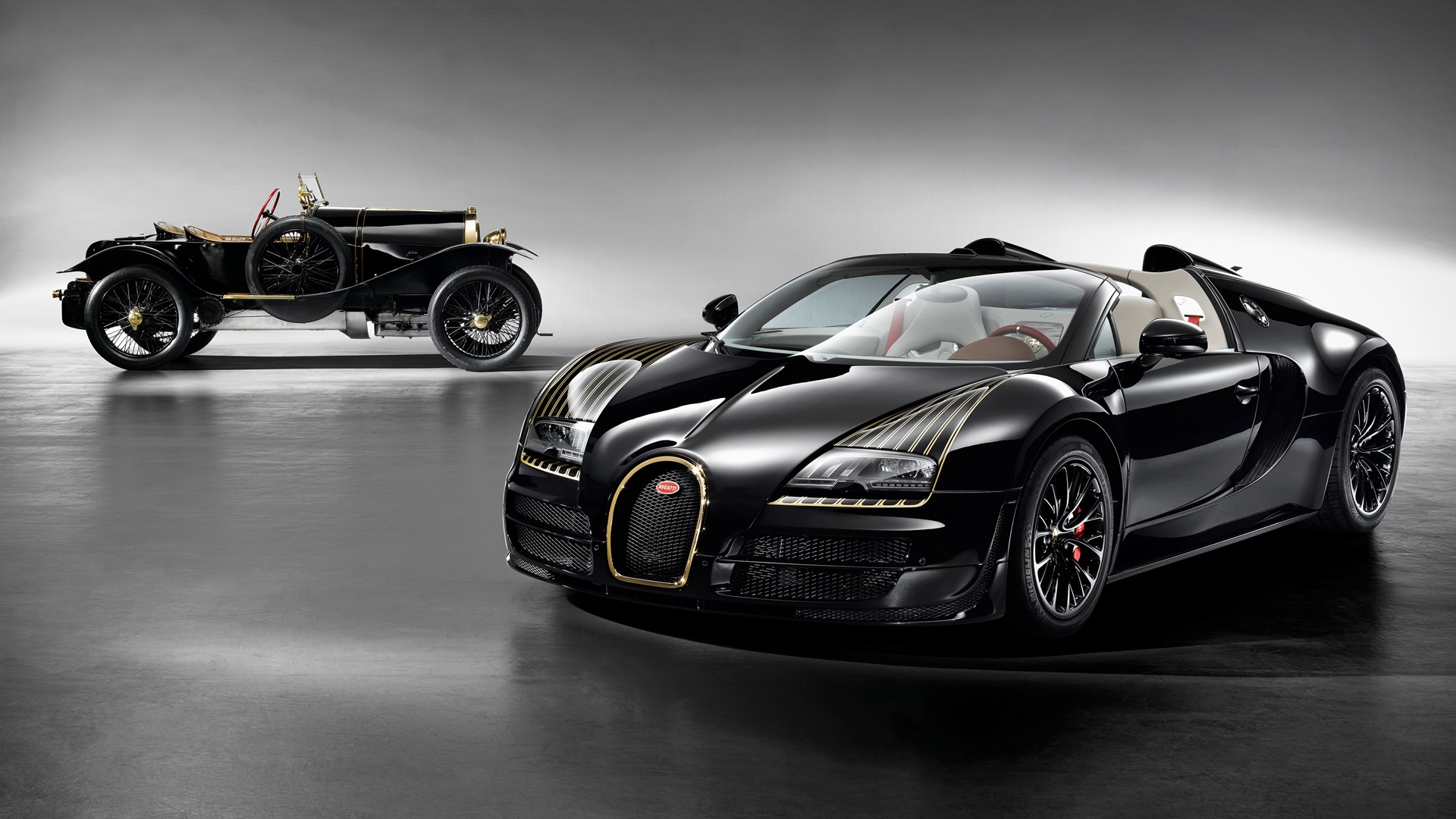





This model is named after the Bugatti Type 18 “Black Bess,” a pioneering street-legal racing car from 1912. It was one of the fastest cars in the world at the time, earning it a reputation as an early “supercar.” The most famous owner was the French aviation hero, Roland Garros.
The “Black Bess” Legend celebrates an object of automotive history that represented Bugatti’s early commitment to combining performance with road-going usability, a philosophy that led directly to the Veyron.
Design Details:
The design emphasizes high contrast and bespoke artistry, reflecting the original’s black and gold color scheme and its air of exclusivity. It is finished in a lustrous black with stunning gold accents on the wheels and the signature “EB” logo.
The cabin is covered in light “Havanna” leather. However, the most spectacular feature is found on the door panels: a master craftsman hand-painted detailed illustrations onto the leather, depicting both the original Type 18 “Black Bess” and Roland Garros’s legendary plane, making each car a unique piece of wearable art.
The Bugatti Family — Art and Heritage
The second half of the series is dedicated to the core family members whose names are synonymous with the brand’s unique identity, a blend of engineering, art, and uncompromising quality.
4. Jean Bugatti: The Visionary Designer
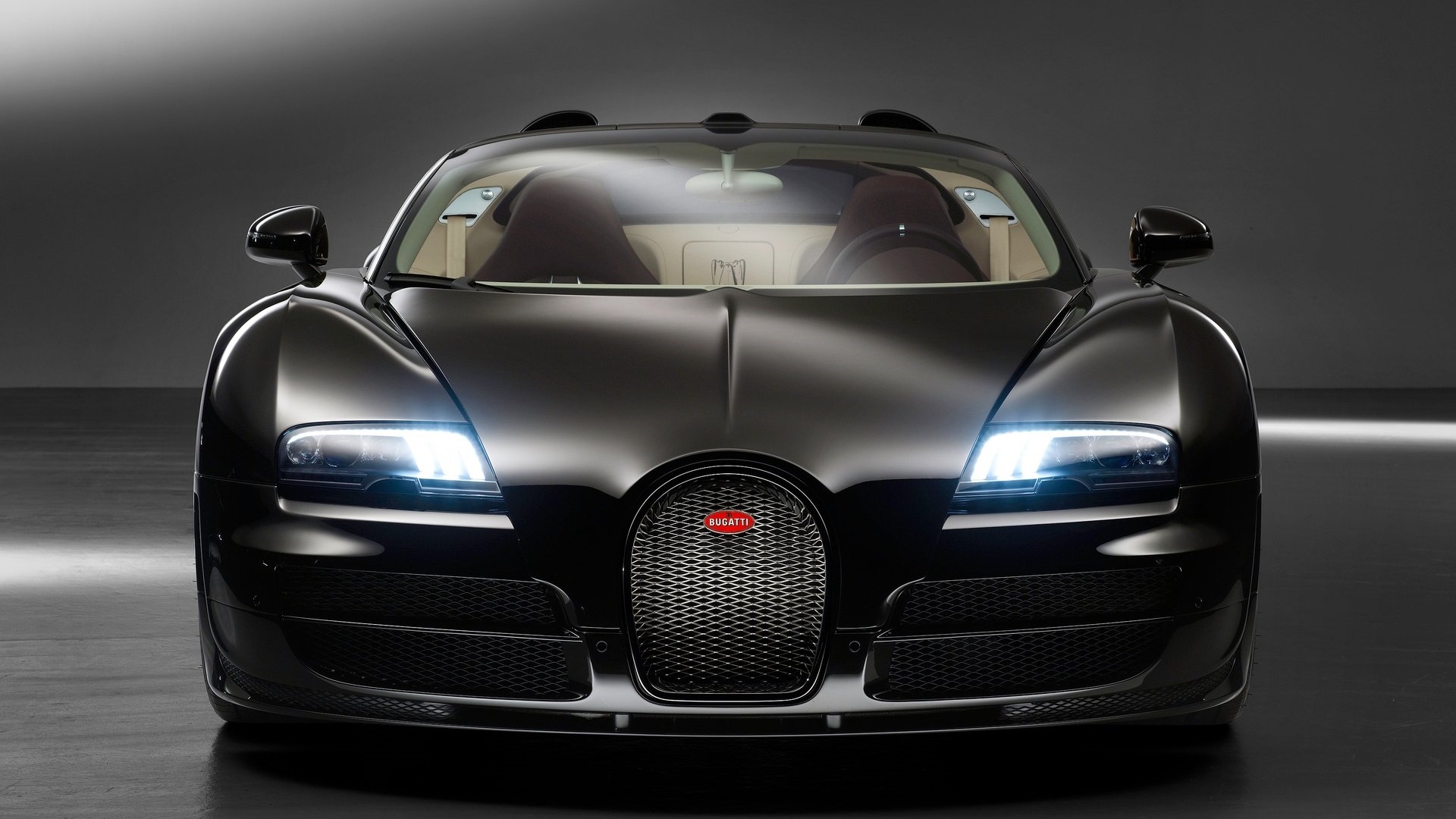
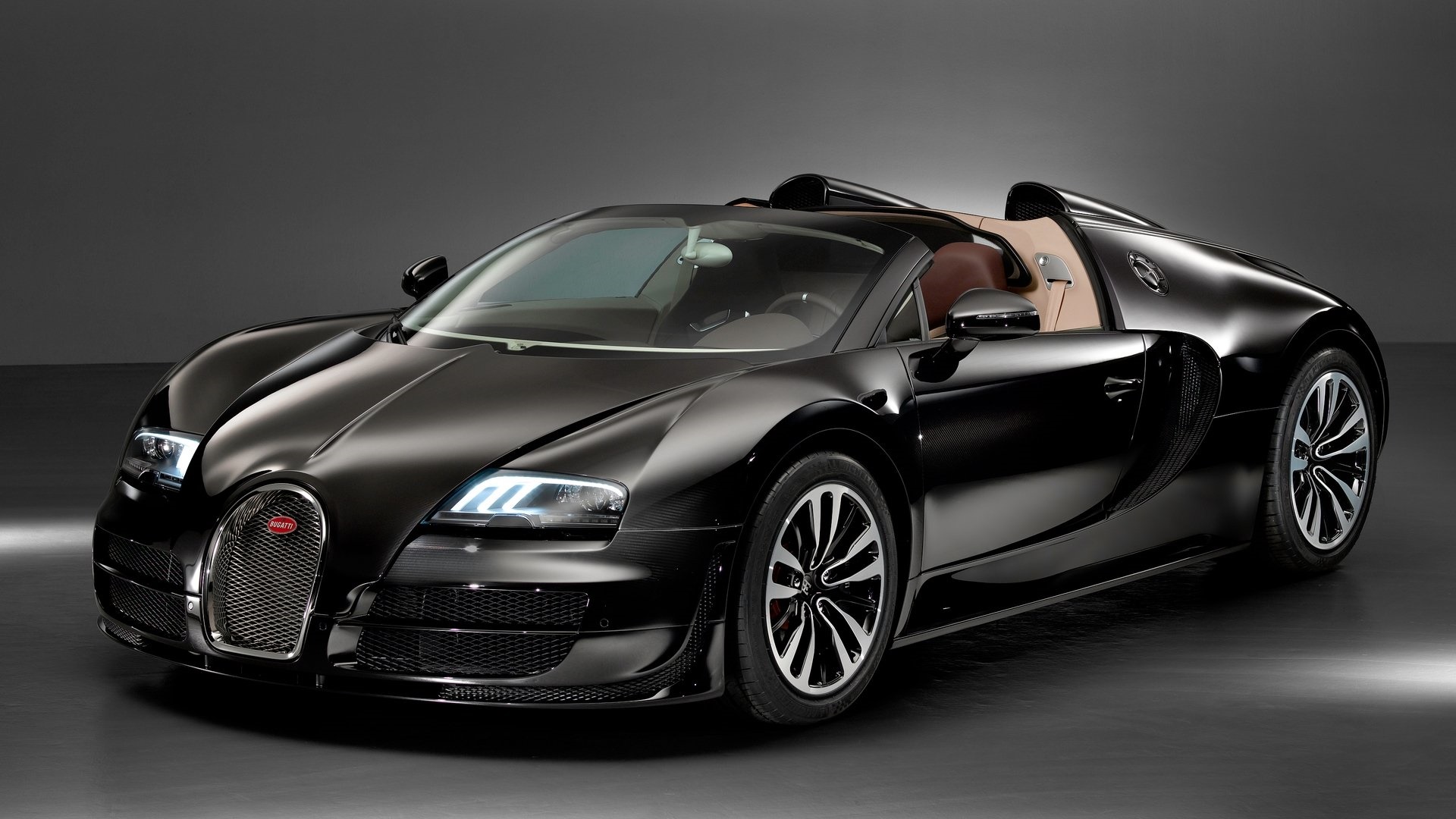
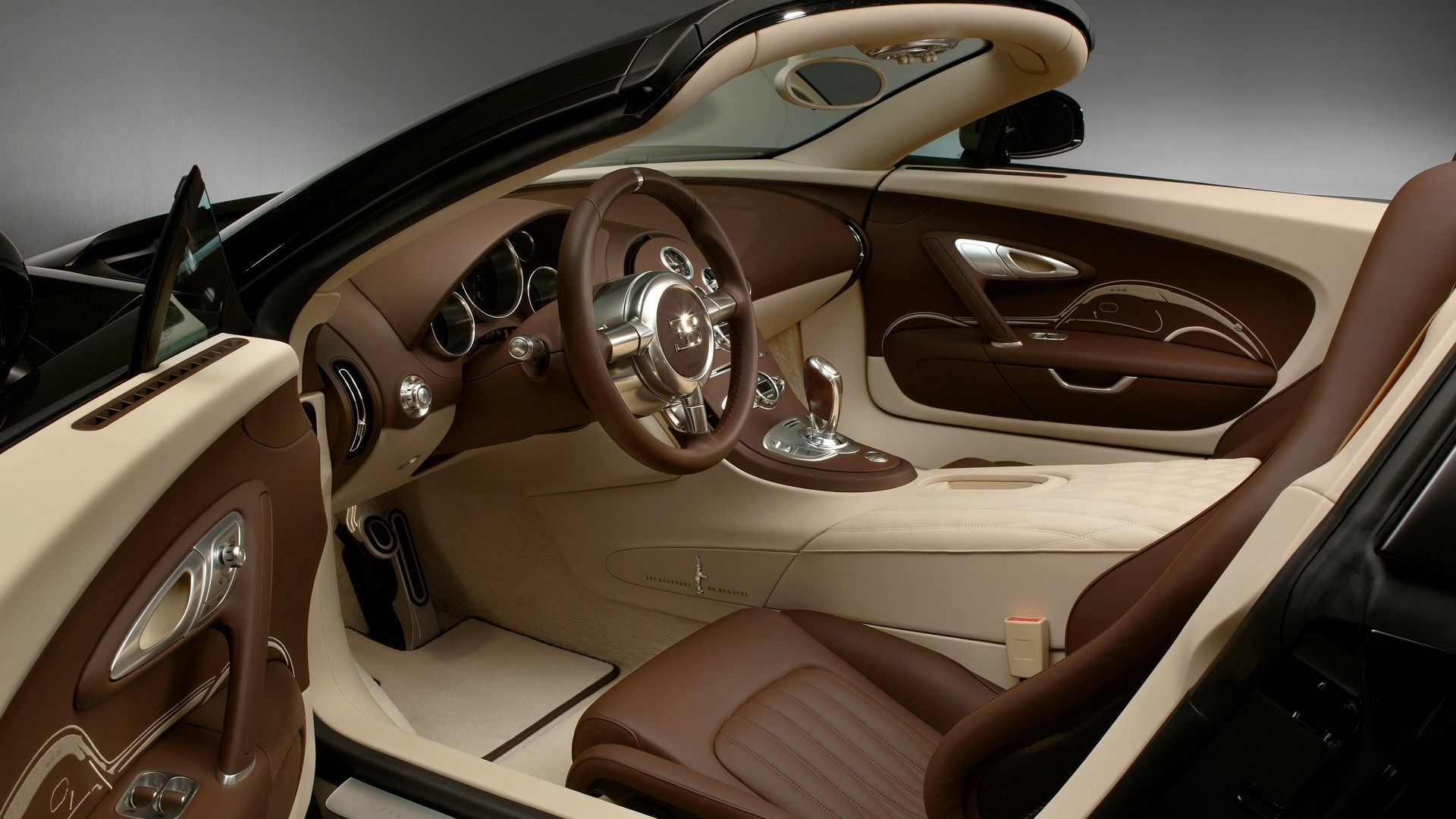
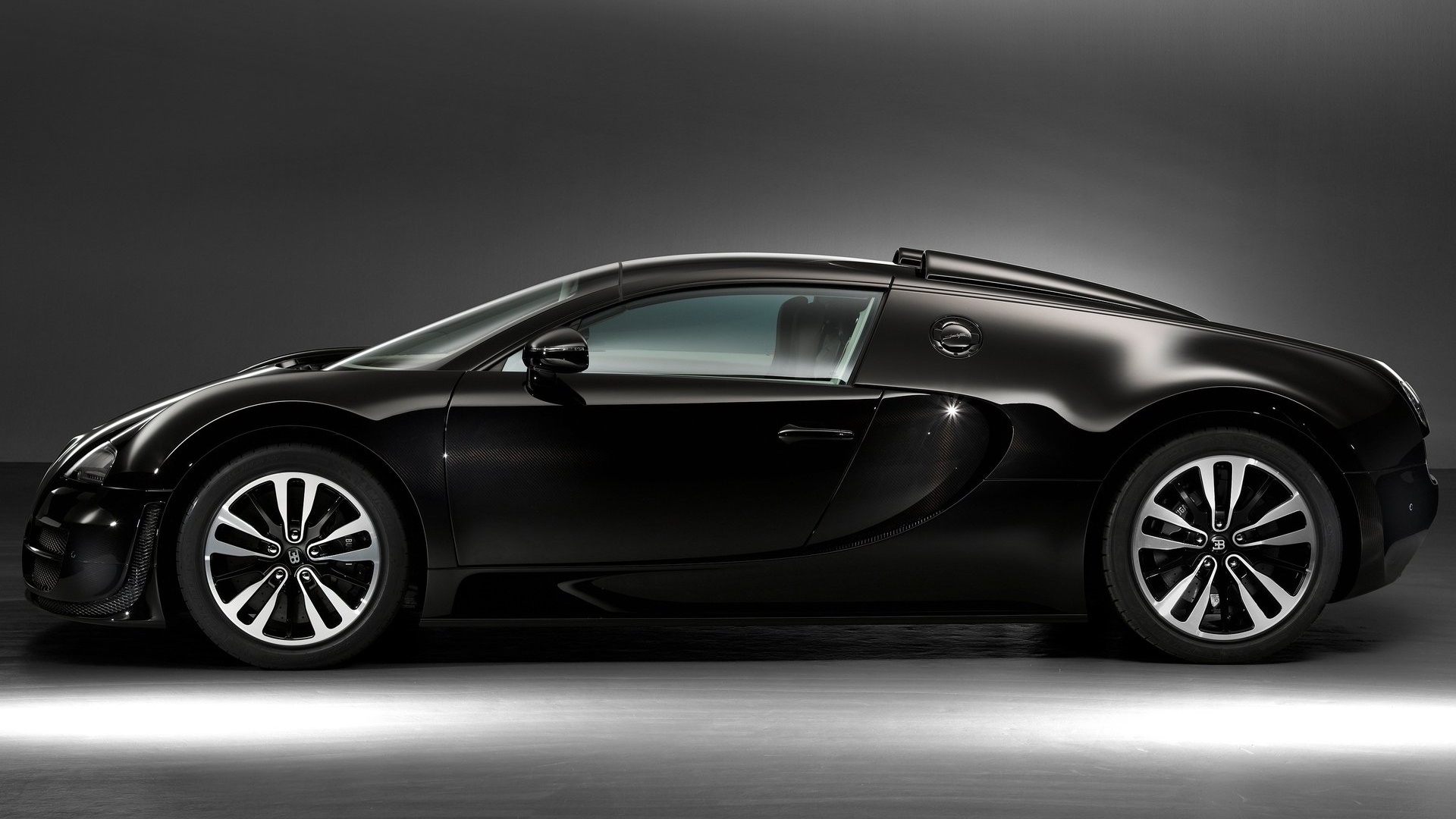
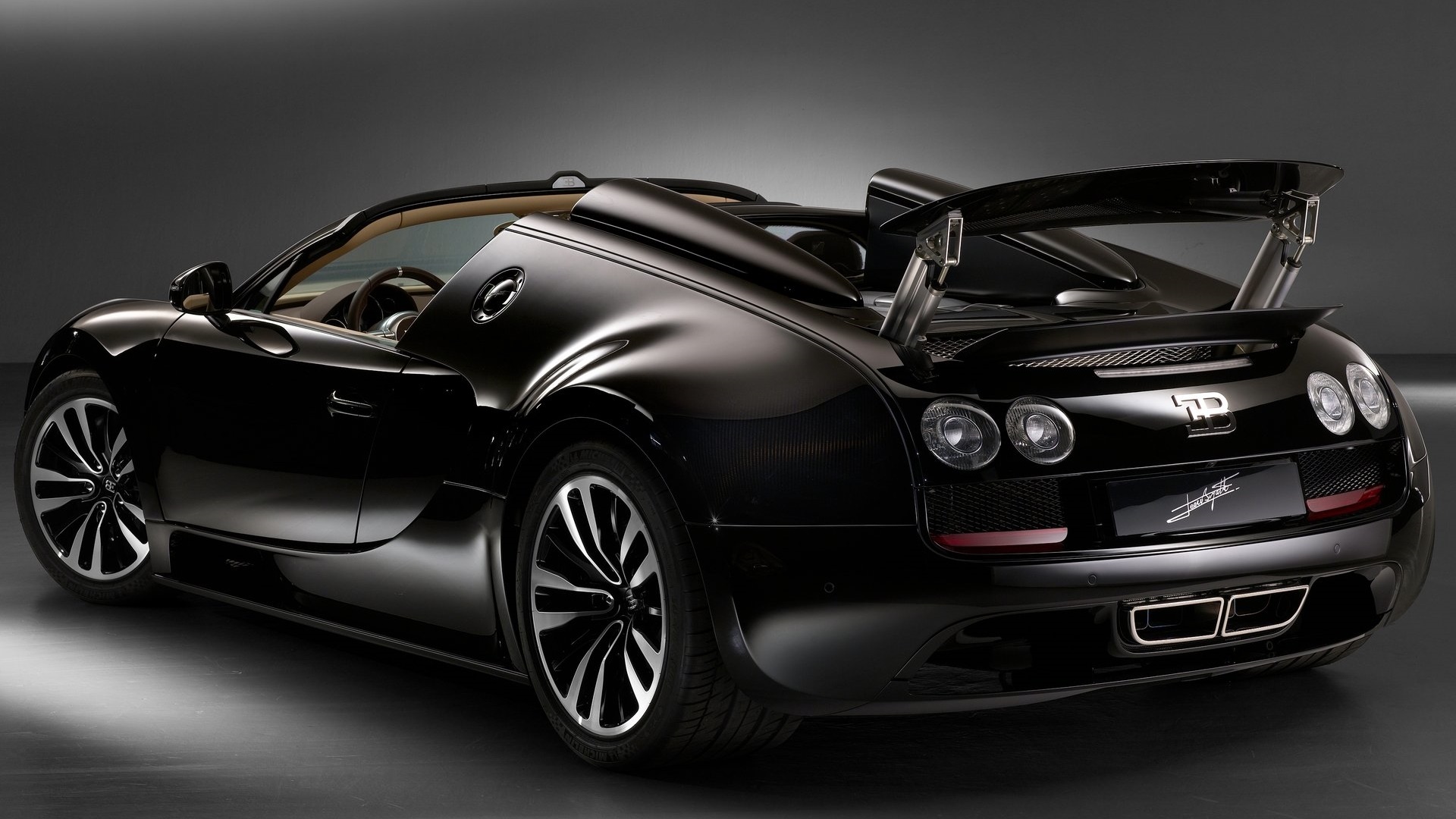





Jean Bugatti was the eldest son of Ettore and a genius in his own right. As the company’s primary designer and engineer, he created the most beautiful Bugattis ever, including the Type 57 series. His most iconic work was the Type 57 SC Atlantic, a coupe so rare and revolutionary that it’s considered the ultimate automotive masterpiece.
Jean Bugatti represented the future of the brand before his untimely death in 1939. His Legend car is a direct tribute to his design philosophy: raw elegance and uncompromising quality. The design is a sophisticated, dark homage to the legendary “La Voiture Noire” (The Black Car), the nickname for Jean’s own Atlantic.
Design Details:
The car is clad entirely in deep, exposed Black Carbon Fibre. The famous Bugatti horseshoe grille is the centerpiece, made of solid platinum, a material choice meant to reflect the rarity and timeless value of the Atlantic.
It’s finished in a warm, light-brown “Havanna” leather. The headrests feature Jean’s signature, and the rear center section carries the motif of the Atlantic’s stunning cast wheels, tying the modern machine to its vintage inspiration.
5. Rembrandt Bugatti: The Artist and Sculptor
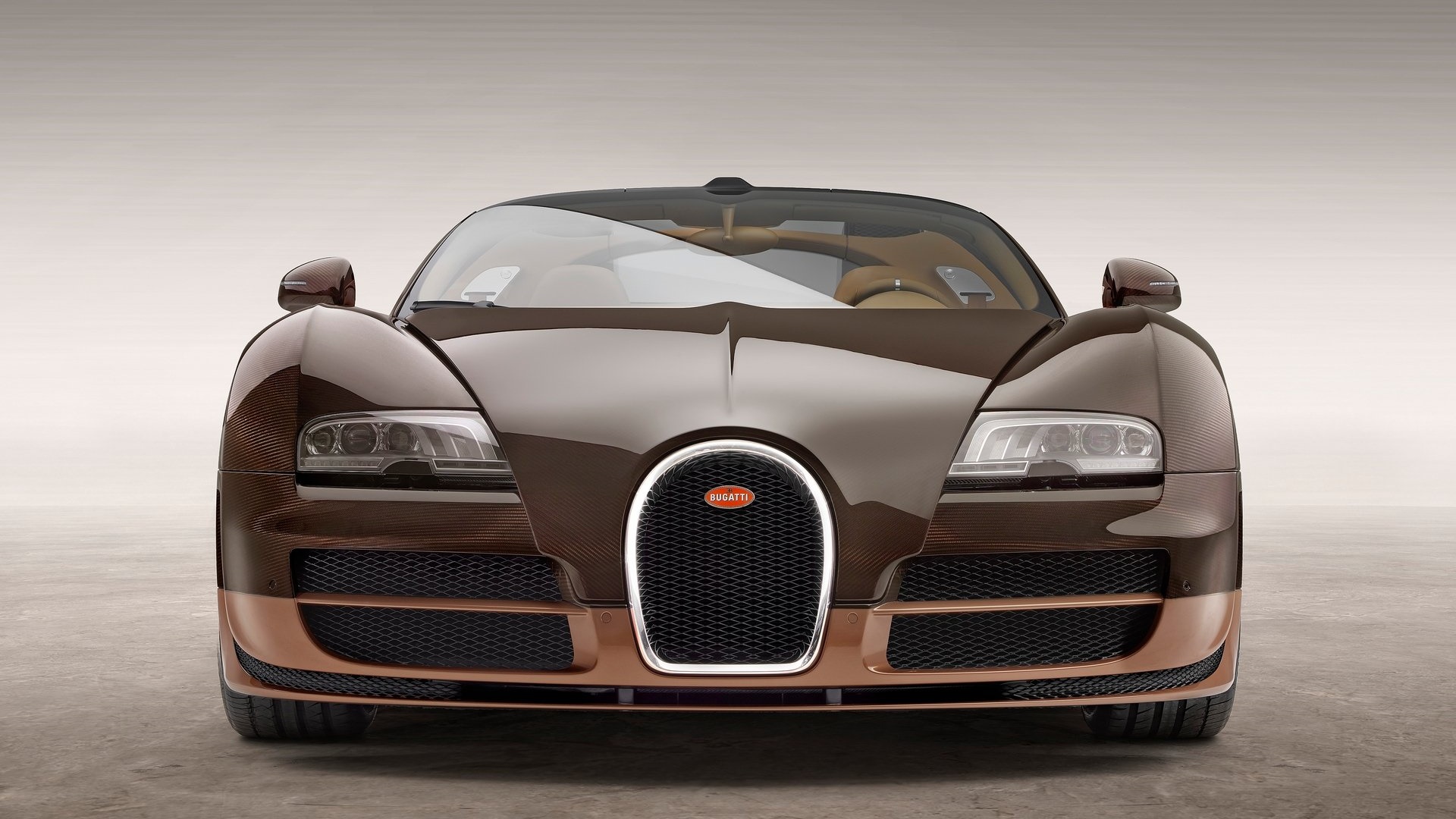
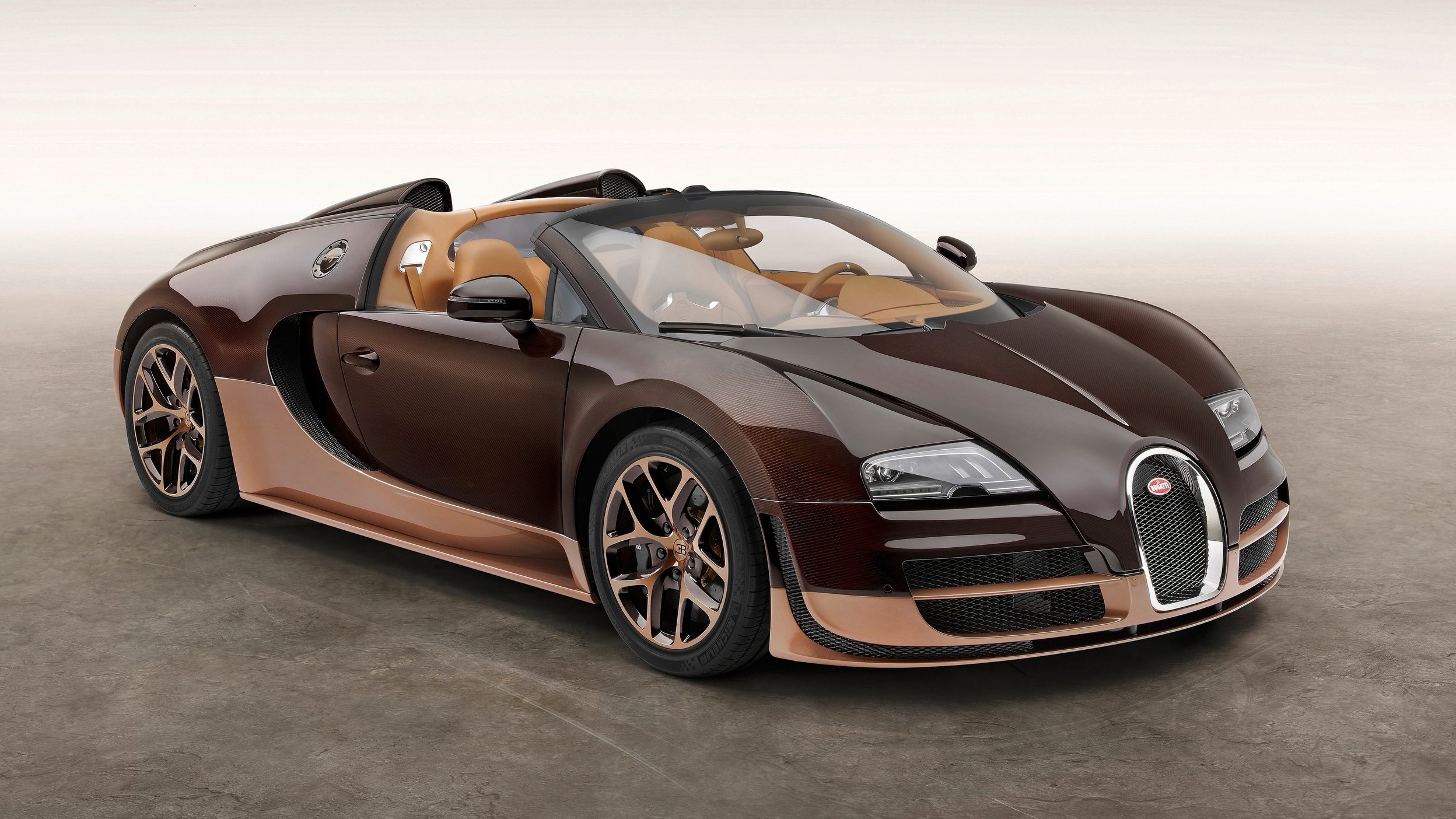
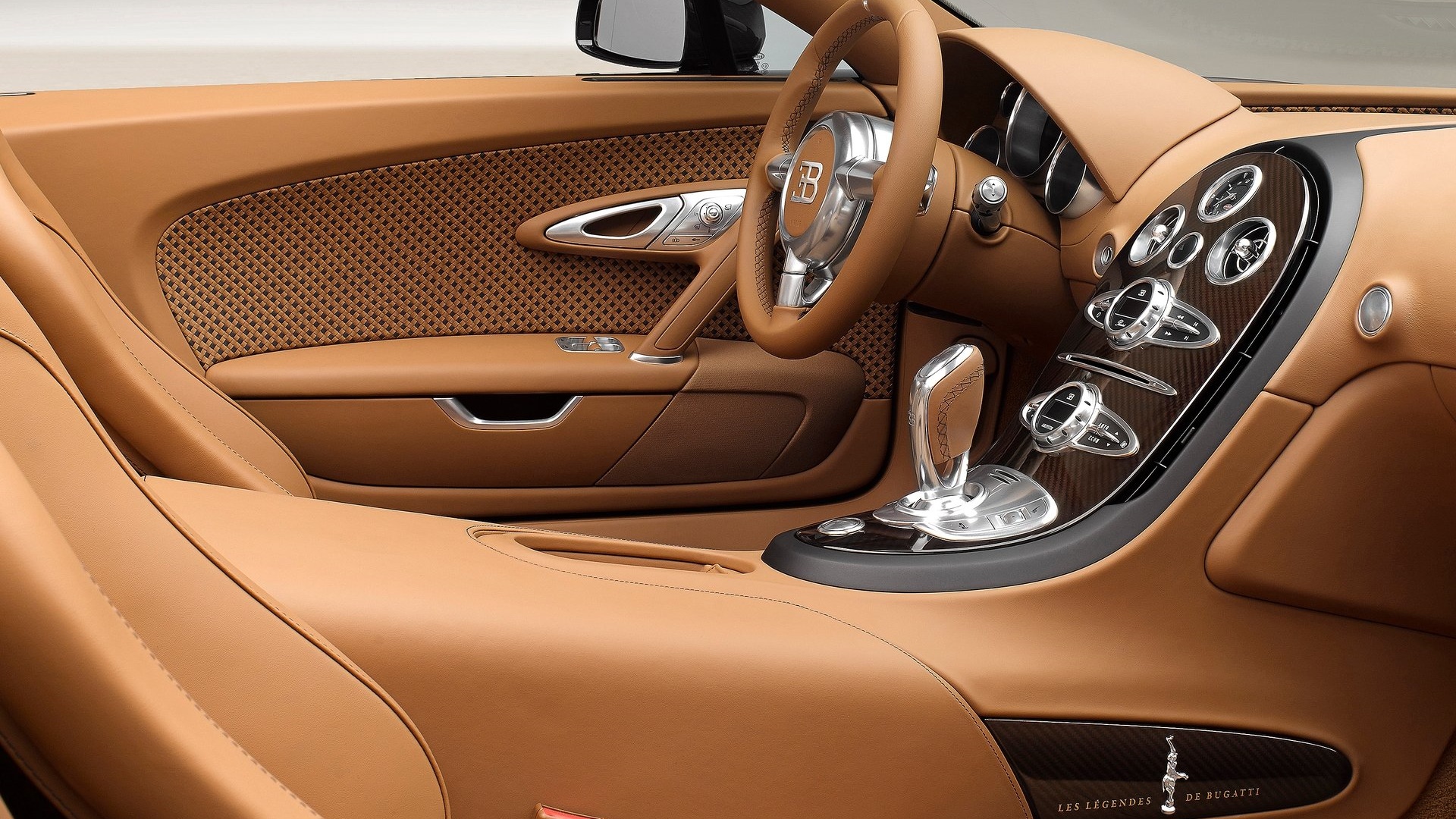
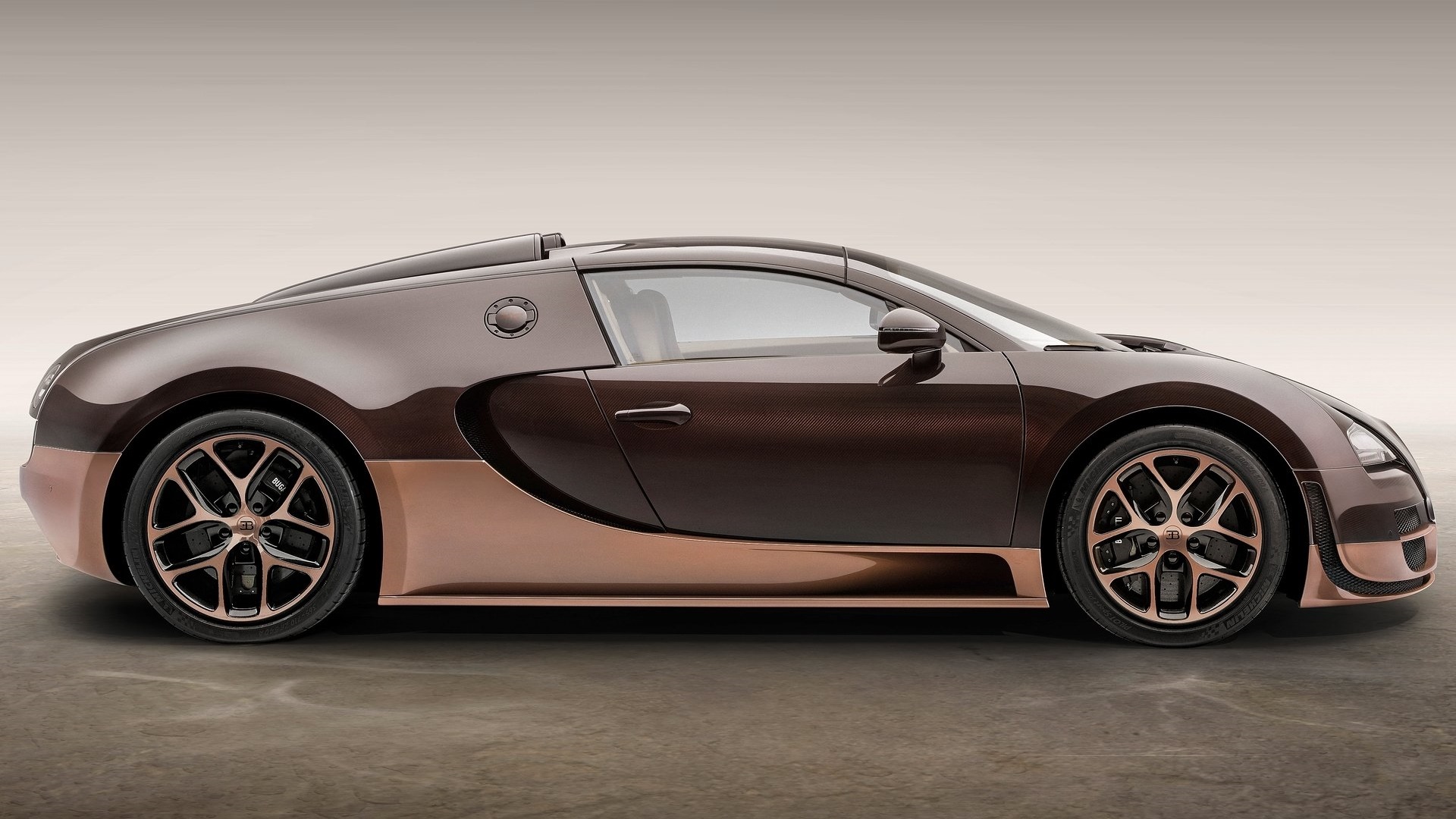
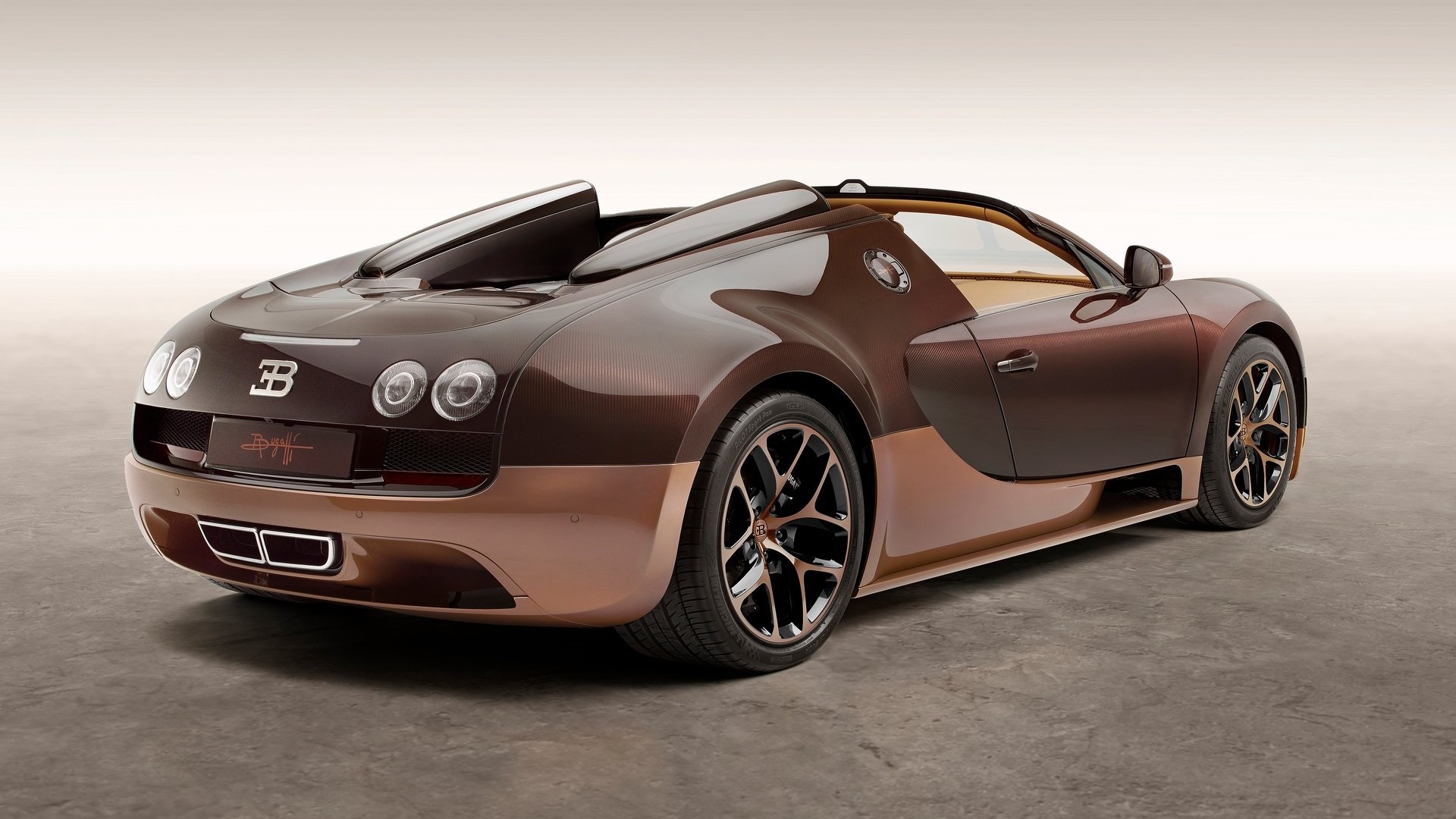





Rembrandt Bugatti was Ettore’s younger brother and a celebrated sculptor of the early 20th century. He worked primarily in bronze, capturing the essence and movement of animals with profound realism. His most famous creation is the dancing elephant, which Ettore later adopted as the hood ornament for the magnificent Bugatti Type 41 Royale.
This Legend acknowledges the “art” side of Bugatti’s identity. The brand’s motto, “If it is comparable, it is no longer Bugatti,” applies equally to its engineering and its aesthetics, a spirit captured by Rembrandt’s work.
Design Details:
The Vitesse is a physical representation of the sculptor’s preferred material. The body features a unique horizontal split, with the upper portion finished in a clear-coated Bronze-colored Carbon Fibre to mimic the patina of an aged bronze sculpture. The lower half is painted a subtle light-brown “Noix.”
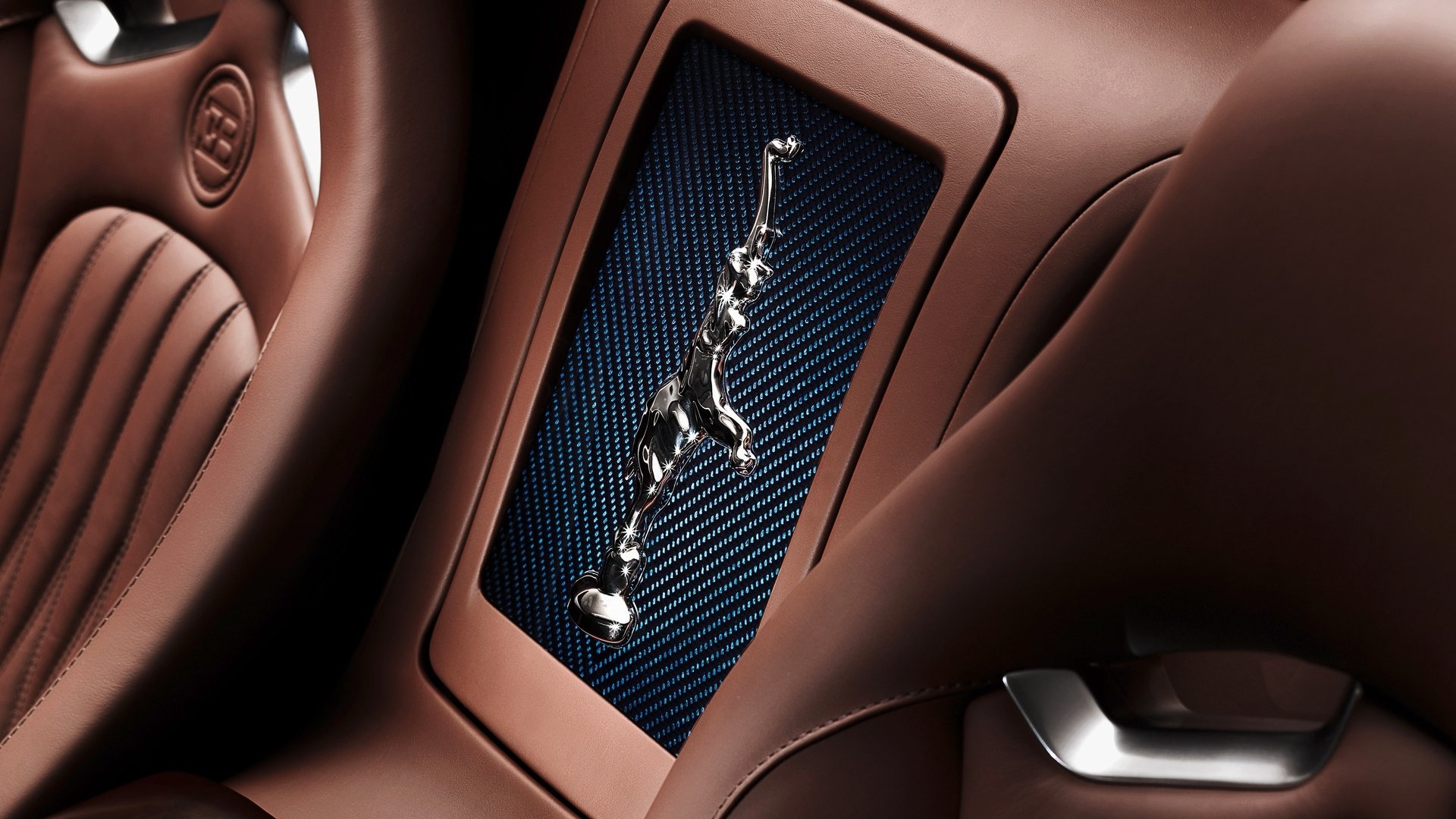
The entire cabin is upholstered in light-brown “Cognac” leather. The most prominent detail is found on the extended center console: the famous dancing elephant sculpture is cast in bronze, set into the rear console box, and sealed under a coat of clear carbon, serving as the car’s magnificent focal point.
6. Ettore Bugatti: The Founder and Patron
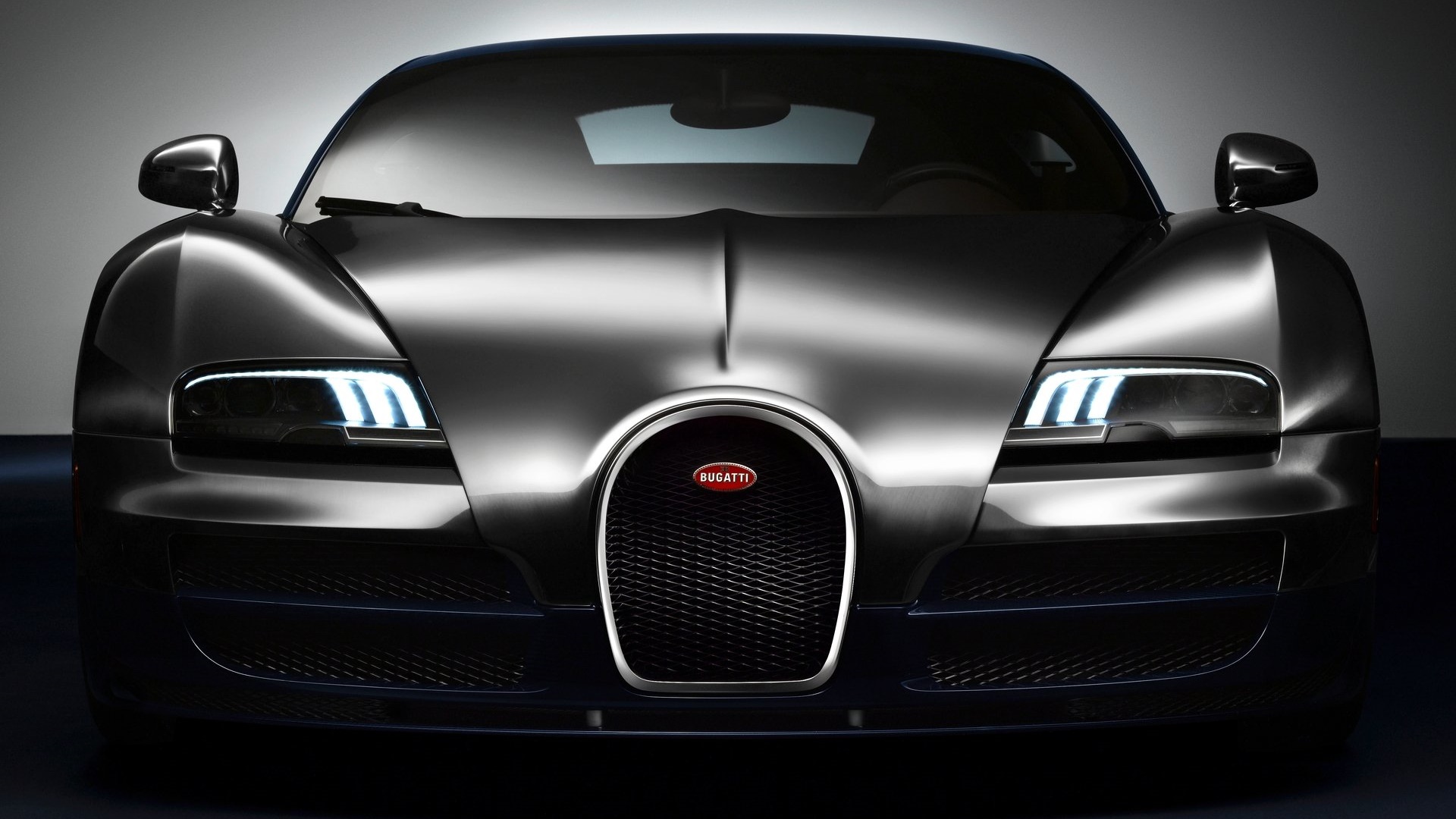
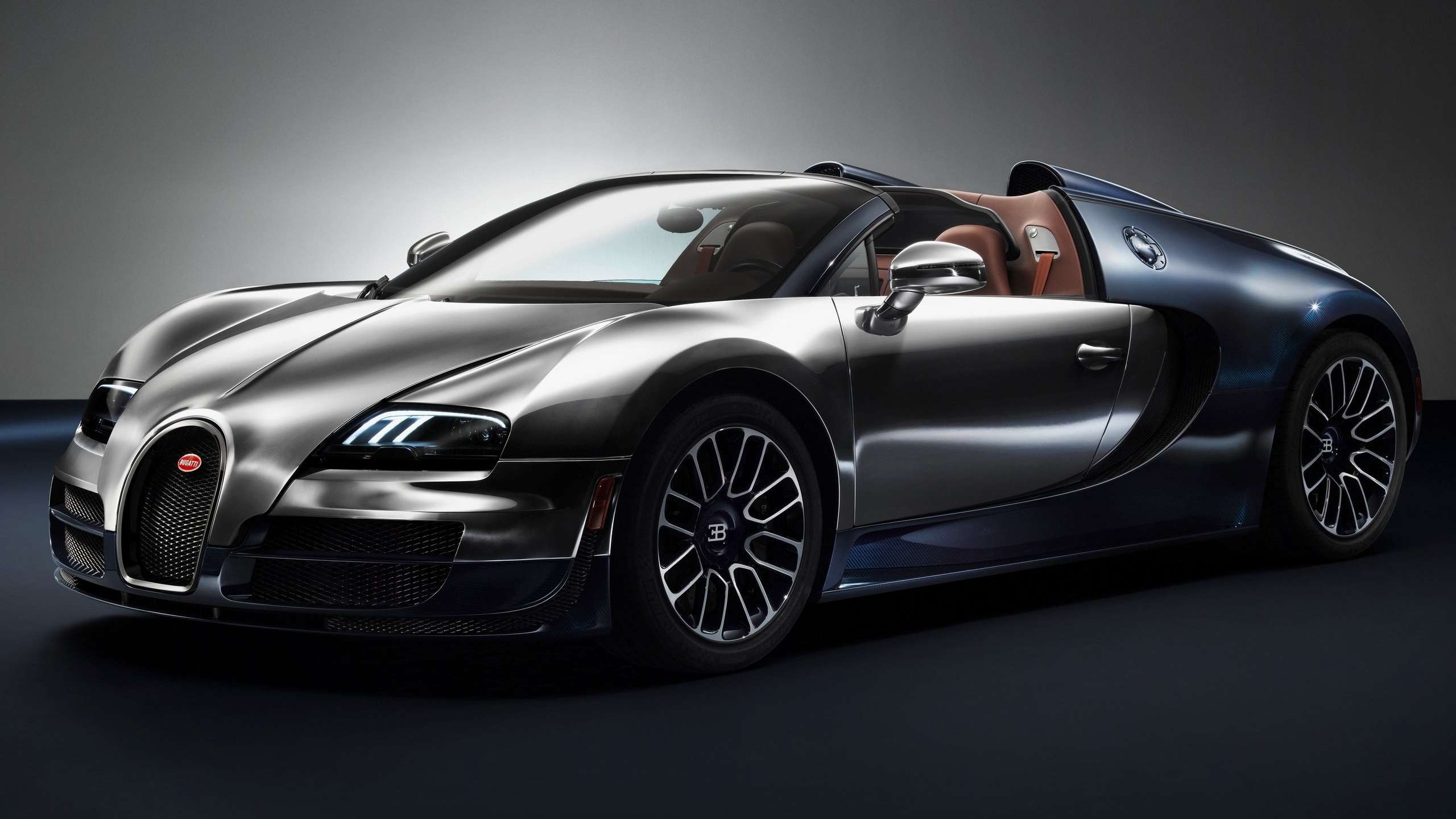




Ettore Bugatti (1881–1947) was the visionary who founded the company, the engineer who insisted on both performance and beauty, and the man who gave the world cars that were mechanical works of art. The ultimate symbol of his vision was the Bugatti Type 41 Royale, conceived as the most luxurious and extravagant automobile ever built.
This was the sixth and final chapter of the series, reserved for the man who started it all. It serves as the ultimate conclusion and a timeless tribute to the brand’s patriarch.
Design Details:
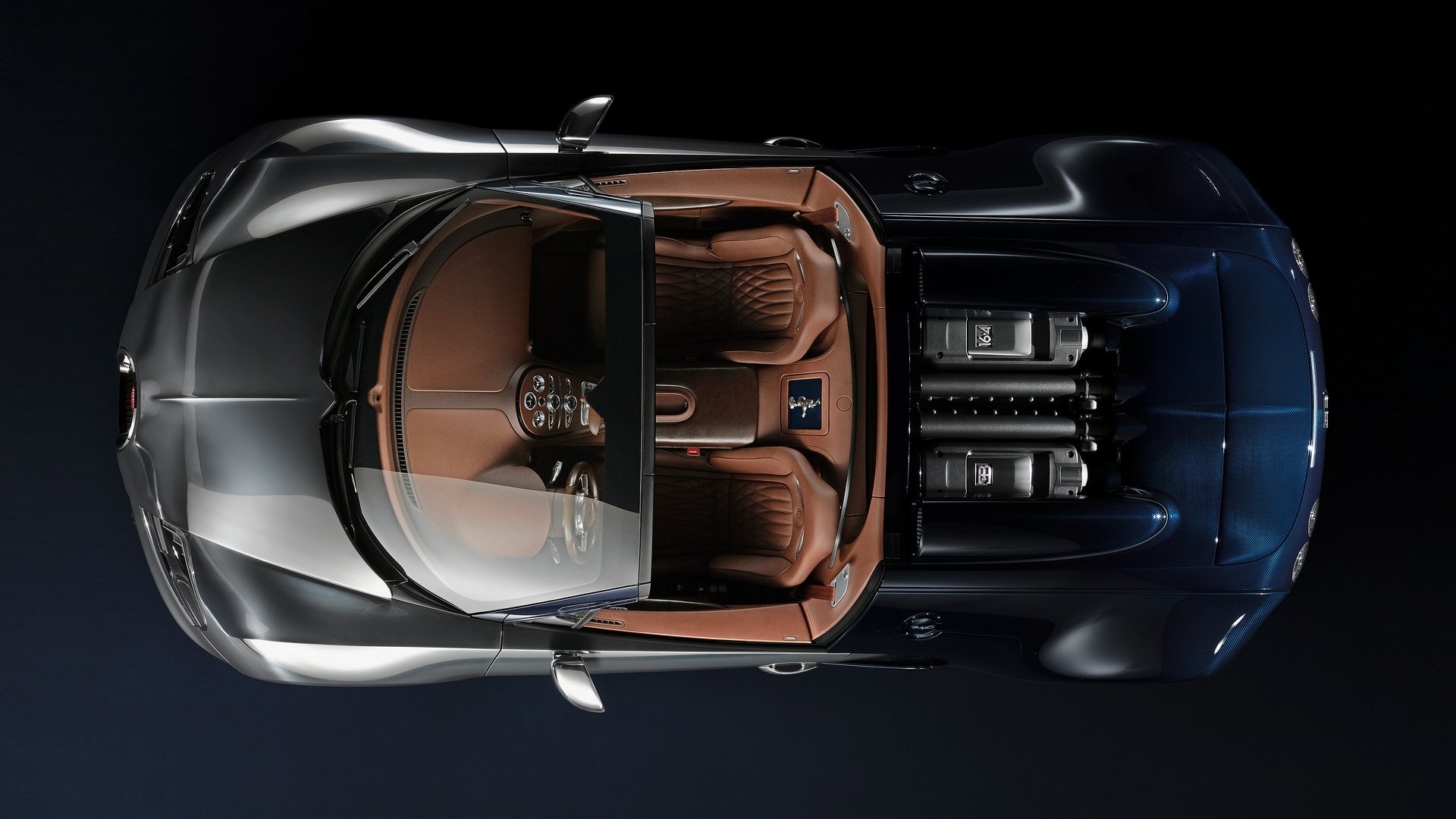
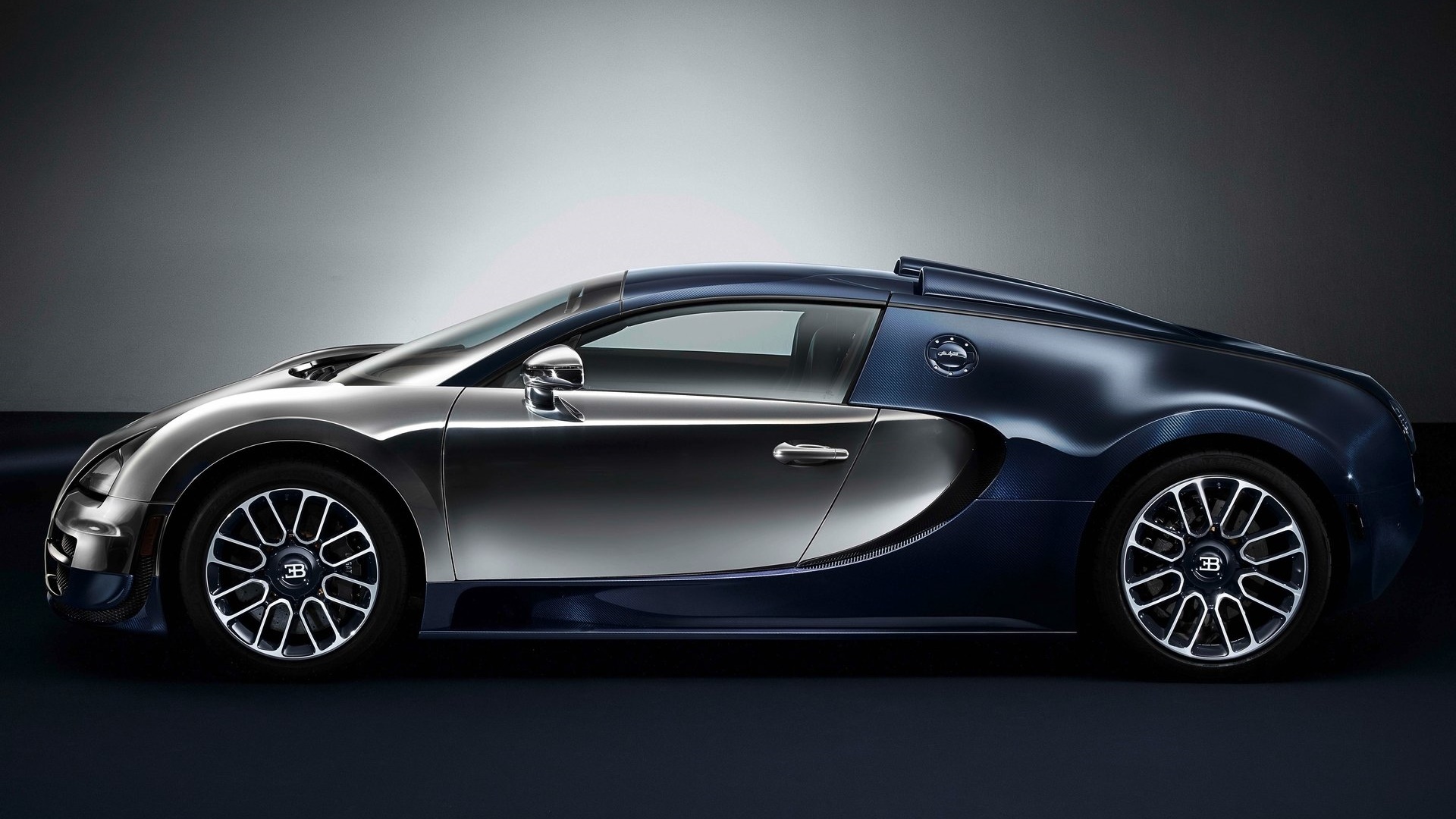
The design focuses on materials, mirroring Ettore’s belief that only the finest raw elements should be used. It employs a striking contrast of materials inspired by the Type 41 Royale. The front section is crafted from hand-polished aluminum, left exposed and clear-coated, while the rear is finished in deep, exposed Dark Blue Carbon Fibre. The wheels are specially designed and diamond-cut to resemble the original Type 41’s exquisite polished wheels.
Inside, it features the most luxurious and complex upholstery in the series. Two types of leather are used: a traditional brown calfskin and a rare, natural Cordovan leather on the steering wheel, gear selector, and door handles. This Cordovan leather is a vegetable-tanned horsehide known for its density and shine, a nod to Ettore’s own passion for fine equine gear and saddles.
Why the Veyron Legends Still Matter
The “Les Légendes de Bugatti” series was a triumph of storytelling through design. It provided a perfect bridge between the Veyron’s cutting-edge engineering and the timeless, aristocratic heritage of the brand.
For collectors and enthusiasts, these 18 cars are more than just Veyrons; they are serialized pieces of Bugatti’s soul. They represent the ultimate combination of the brand’s past greatness and its modern engineering supremacy, ensuring that the Veyron and the Legends who inspired it will be talked about for generations to come.


